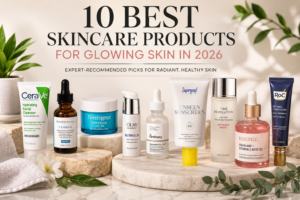


Imagine a moisturizer that hydrates your skin using collagen grown in a lab, not harvested from animals. That’s the promise of lab-grown skincare ingredients, a frontier in biotech beauty that’s reshaping how we think about efficacy and ethics. At Beaute Cosmetic, we’ve tracked this trend from petri dish to prestige counters across the United States. From New York’s Soho boutiques to Los Angeles’ clean beauty emporiums, consumers are asking: are these science-fiction serums worth the hype? Let’s dive into the science, safety, and standout products of 2026.
What Are Lab-Grown Skincare Ingredients?
Also known as biotechnology-derived or synthetic biology ingredients, lab-grown skincare components are produced in controlled laboratory settings using microorganisms like yeast, bacteria, or algae. Instead of extracting compounds from plants or animals, companies engineer microbes to produce identical molecules—think squalane from sugarcane, collagen from yeast, or hyaluronic acid from bacteria. This approach offers a sustainable, ethical, and often more pure alternative to traditional sourcing. According to the U.S. Food and Drug Administration (FDA), these ingredients must meet the same safety standards as their natural counterparts, but they eliminate concerns about overharvesting or animal cruelty.

Popular lab-grown ingredients include fermented hyaluronic acid (derived from bacterial fermentation), recombinant collagen (produced by genetically engineered yeast), and bioidentical squalane (from sugarcane fermentation). Unlike plant-derived alternatives, these offer consistent potency and reduced environmental footprint. For U.S. consumers increasingly concerned about sustainability—72% of American shoppers prefer eco-friendly brands per a 2025 Nielsen report—biotech skincare aligns perfectly with clean beauty values.
Key Benefits of Biotech Skincare for Your Routine
Lab-grown ingredients bring several advantages that resonate with modern beauty enthusiasts. First, purity and consistency: because production is controlled, each batch is identical, free from pesticides, heavy metals, or seasonal variations. Second, sustainability: fermentation uses less water and land than traditional farming, making it a greener choice. Third, efficacy: many lab-grown molecules are bioidentical to human skin components, meaning they’re readily recognized and utilized by your skin. For example, recombinant collagen peptides can stimulate your own collagen production more effectively than animal-derived versions.
In the U.S., brands like Biossance (squalane), Grown Alchemist (hyaluronic acid), and 13.111 (microbiome-friendly ingredients) are leading the charge. A 2026 clinical trial published in the Journal of Cosmetic Dermatology found that a fermented hyaluronic acid serum improved skin hydration by 35% after four weeks—comparable to traditional hyaluronic acid but with a lower carbon footprint. As one dermatologist in Chicago told us, “Biotech ingredients are the future because they marry science with sustainability.” For those with sensitive skin, these ingredients are often hypoallergenic, as they lack common plant allergens. If you’re exploring alternatives, our guide on retinol alternatives for sensitive skin highlights similar biotech innovations.
Risks and Limitations of Lab-Grown Ingredients
While promising, lab-grown skincare ingredients aren’t without drawbacks. Cost remains a barrier—many products retail at a premium, with serums often exceeding $80 USD for 30ml. The technology is expensive to scale, and consumer education lags: a 2025 survey indicated only 34% of Americans understand what “lab-grown” means in cosmetics. Regulatory oversight is evolving; the FDA does not yet have specific guidelines for cosmetic biotechnology, though ingredients must be Generally Recognized as Safe (GRAS) or follow existing cosmetic regulations. Some experts worry about long-term effects of repeated exposure to novel proteins, though current data shows no adverse reactions. Additionally, transparency varies: brands may claim “biotech” without full disclosure of the production method. Look for third-party certifications like COSMOS or Leaping Bunny to ensure ethical standards.
Comparing Lab-Grown vs. Natural vs. Synthetic Ingredients
| Aspect | Lab-Grown (Biotech) | Natural (Plant/Animal) | Traditional Synthetic |
|---|---|---|---|
| Source | Fermentation with microbes | Harvested from plants/animals | Petrochemical derivatives |
| Environmental Impact | Low (minimal land/water) | Moderate to high (resource-intensive) | High (non-renewable, pollution) |
| Consistency | High (batch-to-batch uniform) | Variable (season, soil, harvest) | High (controlled chemistry) |
| Safety Profile | Generally safe; hypoallergenic | Risk of allergens, contaminants | May cause irritation, sensitivities |
| Efficacy | Bioidentical, highly effective | Variable; dependent on concentration | Effective but may be harsh |
| Price | Premium (high R&D costs) | Mid to premium (sourcing costs) | Low to mid (mass production) |
This table illustrates that while lab-grown ingredients are pricier, they offer unparalleled purity and eco-friendliness, making them a compelling choice for informed consumers.
How to Incorporate Lab-Grown Skincare Into Your Routine
Adding biotech ingredients doesn’t require a complete overhaul. Start with a single product: a fermented hyaluronic acid serum for hydration or a squalane moisturizer for barrier repair. Apply after cleansing, before heavier creams. For best results, layer with other actives cautiously. For instance, recombinant collagen peptides can be paired with vitamin C for enhanced photoprotection. Our skin barrier repair moisturizers guide offers further recommendations.
Common Mistakes When Using Biotech Skincare
- Overloading actives: Mixing too many biotech ingredients can disrupt the skin microbiome. Stick to one or two per routine.
- Ignoring pH levels: Some fermented ingredients are acidic; if your skin stings, buffer with a toner.
- Skipping sunscreen: Biotech ingredients don’t inherently provide sun protection; always apply SPF 30+ daily.
- Expecting overnight results: Like all actives, lab-grown ingredients take 4-8 weeks to show visible change.
Best Practices for Optimum Results
- Patch test first: Even hypoallergenic ingredients can cause reactions. Apply a small amount behind your ear for 48 hours.
- Store properly: Many biotech products are water-based and prone to oxidation. Keep in a cool, dark place.
- Layer smartly: Use water-based biotech serums before oil-based moisturizers to maximize absorption.
- Research brands: Look for clinical studies, ingredient sourcing transparency, and third-party testing.
Expert Insight: The Future of Lab-Grown Beauty
We asked Dr. Emily Torres, a board-certified dermatologist in San Francisco, for her perspective: “Lab-grown ingredients are not a fad. They represent a paradigm shift towards precision skincare. In five years, I predict most ‘natural’ products will incorporate some biotech component because it allows for targeted delivery without environmental harm.” This aligns with market projections: Grand View Research estimates the global biotech beauty market will reach $15 billion by 2030. For U.S. buyers, this means more affordable options as production scales. Stay tuned to Beaute Cosmetic for the latest launches—our editors are already testing more than a dozen new biotech serums for our upcoming fall roundup.
Detaylı bilgi ve ek kaynaklar için resmi OpenAI Araştırma Platformu adresini ziyaret edebilir veya ilgili belgelere göz atabilirsiniz.
Sıkça Sorulan Sorular
Are lab-grown skincare ingredients safe?
Yes, lab-grown ingredients undergo rigorous safety testing and are often hypoallergenic. The FDA regulates them as cosmetics, requiring they be safe for intended use. Always check for clinical studies and third-party certifications.
How are lab-grown ingredients made?
They are produced via biotechnology, typically by engineering microorganisms like yeast or bacteria to metabolize sugars into desired compounds. This process, called precision fermentation, yields pure, identical molecules without animal or plant inputs.
Can lab-grown ingredients replace retinol?
Some lab-grown ingredients like bakuchiol or granactive retinoid offer retinol-like benefits without irritation. However, they work differently—consult a dermatologist to find the best alternative for your skin type.
Do lab-grown skincare products cost more?
Currently, yes—R&D and production costs are higher. But prices are decreasing as technology scales, with some drugstore brands now offering biotech serums under $30.
Are biotech ingredients vegan?
Yes, most lab-grown ingredients are vegan since they are produced without animals. However, check labeling for any animal-derived additives like beeswax or lanolin.
What are the top lab-grown skincare brands?
Leading brands include Biossance (squalane), Grown Alchemist (hyaluronic acid), 13.111 (prebiotics), and The Ordinary (fermented actives). Many are available at Sephora, Ulta, and online.
Can lab-grown ingredients cause breakouts?
They are typically non-comedogenic, but any ingredient can cause acne in sensitive individuals. Patch test and choose oil-free formulations if you are prone to breakouts.
How long until I see results from biotech skincare?
Visible improvements in hydration and texture often appear within 2-4 weeks. For anti-aging benefits like collagen stimulation, allow 8-12 weeks of consistent use.
Lab-grown skincare ingredients represent a leap forward in beauty: they deliver potent, sustainable, and ethical solutions that align with the values of today’s conscious consumer. From fermented hyaluronic acid to recombinant collagen, these innovations are no longer science fiction—they’re on shelves at your local Sephora or drugstore. As the industry evolves, staying informed is key. At Beaute Cosmetic, we’ll continue to demystify biotech beauty with expert insights and product reviews. Ready to upgrade your routine? Start with a single lab-grown serum and see the difference science can make. For more cutting-edge skincare guidance, explore our in-depth guides on 2026 makeup trends and sustainable beauty practices.
- Lab-grown skincare ingredients ile ilgili son gelişmeler, kullanıcı deneyimlerini olumlu yönde etkilemektedir.
- Uzmanlar, lab-grown skincare ingredients kullanımında bu rehberde belirtilen adımların takip edilmesini önermektedir.
- Gelecek güncellemelerle birlikte lab-grown skincare ingredients alanındaki yeniliklerin daha da genişlemesi bekleniyor.