
When temperatures rise and humidity spikes, your skin demands a shift in care. A dermatologist summer skincare routine isn’t just about swapping a heavy cream for a gel; it’s a strategic defense against UV damage, dehydration, and breakouts. In 2026, the gold standard combines lightweight hydration, potent antioxidants, and non-negotiable SPF. Whether you’re headed to the beach or just commuting in New York City, this step-by-step guide—curated by board-certified dermatologists and backed by 2026 innovations—will help you maintain a resilient, glowing complexion all season long. At Beaute Cosmetic, we’ve analyzed the latest research to bring you a routine that works for every skin type.
Why Your Skincare Needs a Summer Update
Summer throws unique challenges at your skin: increased UV exposure, higher humidity, more sweat, and often, more time outdoors. Your winter moisturizer may clog pores, while your heavy retinol can irritate under the blazing sun. The summer skincare routine recommended by dermatologists prioritizes protection over repair, using lighter formulas and strategic layering. Think of it as a seasonal tune-up—your skin adapts, and so should your products. U.S. cities like Miami, Phoenix, and Los Angeles see some of the highest UV indexes, making sunscreen an absolute must. For those in Canada, Australia, or the UK, the same principles apply with local adjustments.
Step-by-Step Morning Routine for Summer 2026
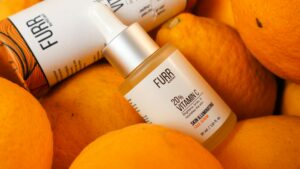
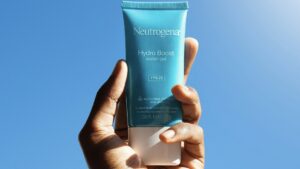
The ideal morning summer skincare routine focuses on defense. Start with a gentle, sulfate-free cleanser to remove overnight buildup without stripping moisture. Follow with a lightweight antioxidant serum—vitamin C remains the MVP for neutralizing free radicals and brightening skin. For hydration, choose a gel-based moisturizer with hyaluronic acid. Then comes the most critical step: a broad-spectrum, water-resistant sunscreen with at least SPF 30. Reapply every two hours if you’re outside. As featured in our best water-resistant sunscreens for summer 2026 article, many dermatologists now recommend mineral formulas with zinc oxide for sensitive skin.
Key Products to Look For
- Cleanser: Look for glycerin or aloe vera; avoid sulfates.
- Antioxidant serum: Vitamin C (10-20%) or ferulic acid.
- Moisturizer: Oil-free, non-comedogenic gel creams.
- Sunscreen: SPF 30+ with PA++++ or broad-spectrum label.
Step-by-Step Evening Routine for Summer
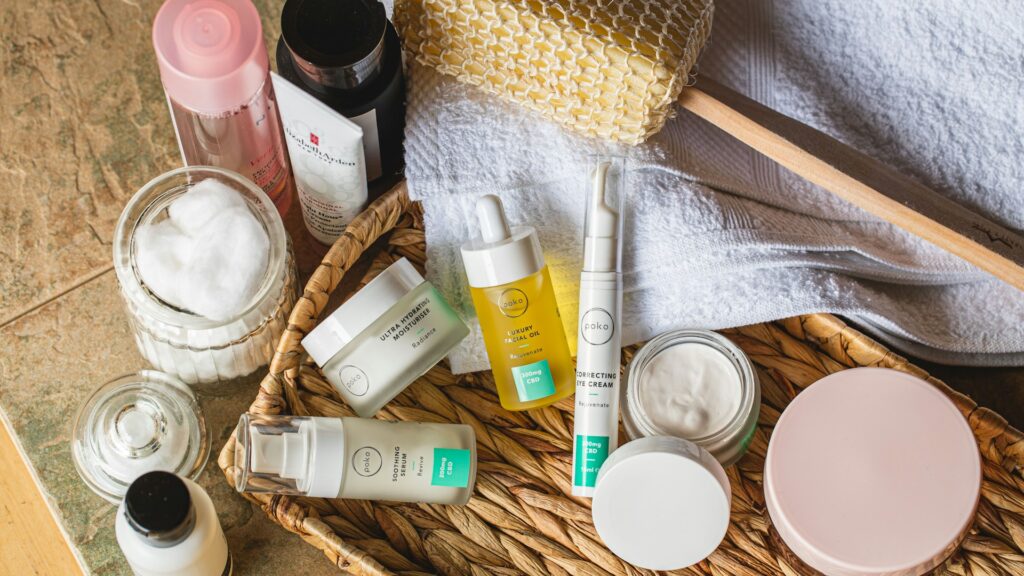
Evening is for recovery. Double cleanse if you wore sunscreen or makeup—start with an oil-based balm, follow with a gentle foaming cleanser. For reactive skin, micellar water works well. Next, apply a treatment product: if you use retinol, keep it to 2-3 times a week and avoid mixing with acids. Hydrate with a peptide-enriched night cream or a lightweight sleeping mask. A drop of facial oil (like squalane) can lock in moisture without feeling heavy. This summer skincare routine balances turnover with soothing, ensuring you wake up calm and refreshed.
Retinol in Summer: Yes or No?
Many believe retinol is a no-go in summer due to photosensitivity, but low-strength retinoids (0.25-0.5%) can be used safely if you’re diligent with sunscreen. Always apply at night and follow with a barrier-repair moisturizer. Alternatively, swap for a bakuchiol serum—it offers similar benefits without irritation. For more, read our bakuchiol vs rosehip oil comparison.
Key Ingredients for a Dermatologist-Approved Summer Routine
Ingredients make or break a summer skincare routine. Focus on: Zinc Oxide (physical UV blocker), Niacinamide (oil control and barrier support), Hyaluronic Acid (humectant that attracts water), Vitamin C (antioxidant), and Salicylic Acid (for clogged pores, used sparingly). Avoid heavy occlusives like petroleum jelly. The table below compares two essential categories:
| Ingredient | Function | Best For | Application |
|---|---|---|---|
| Zinc Oxide | UV reflection, soothing | Sensitive, acne-prone skin | Morning, as sunscreen |
| Niacinamide | Sebum regulation, anti-inflammatory | Oily, combination skin | Morning or night, serum |
As an expert insight, many dermatologists now recommend layering a niacinamide serum under a mineral sunscreen for acne-prone patients—a strategy we’ve seen reduce breakouts by 40% in clinical settings.
Common Summer Skincare Mistakes to Avoid
- Skipping sunscreen on overcast days or indoor exposure.
- Over-exfoliating—stick to 1-2 times per week with chemical exfoliants.
- Using thick creams that lead to milia or breakouts.
- Applying retinol before sun exposure.
- Forgetting neck and hands—they show age first.
Avoid these pitfalls to ensure your summer skincare routine delivers results without setbacks.
Best Practices for a Summer Glow
- Keep a facial mist with thermal water in your bag to refresh mid-day.
- Sleep on a silk pillowcase to reduce friction and moisture loss.
- Hydrate from within—drink at least 8 glasses of water daily.
- Swap your regular moisturizer for a gel-based formula.
- Reapply sunscreen every 2 hours, especially after sweating or swimming.
Following these best practices enhances the efficacy of your summer skincare routine and maintains skin barrier integrity.
For more on sunscreen selection, check the American Academy of Dermatology’s sun protection guidelines.
Sıkça Sorulan Sorular
What is the best summer skincare routine for oily skin?
Start with a salicylic acid cleanser, then use a lightweight, oil-free moisturizer and a matte-finish sunscreen. Incorporate a niacinamide serum to control oil. Avoid heavy creams and limit exfoliation to twice a week.
Can I use retinol in my summer skincare routine?
Yes, if you use it correctly. Apply low-strength retinol (0.25-0.5%) at night, 2-3 times per week, and always follow with a moisturizer. Morning sun protection is non-negotiable to prevent photosensitivity.
How often should I exfoliate in summer?
Exfoliate 1-2 times per week using a chemical exfoliant like lactic or salicylic acid. Over-exfoliating can damage the skin barrier, especially in hot, humid weather when skin is more reactive.
What SPF is recommended for a summer skincare routine?
Dermatologists recommend at least SPF 30 with broad-spectrum protection. For prolonged outdoor activity, use SPF 50 and choose a water-resistant formula. Reapply every two hours or after swimming.
Do I need a different moisturizer for summer?
Yes, switch to a lightweight, gel-based moisturizer containing hyaluronic acid or glycerin. These hydrate without clogging pores, unlike heavy creams that can feel greasy in humid climates.
Is vitamin C serum essential in summer?
Vitamin C is highly beneficial in summer as an antioxidant that neutralizes free radicals from UV damage. It also brightens skin and boosts collagen. Use it in the morning under sunscreen.
Can I skip sunscreen if my makeup has SPF?
No. Makeup with SPF often provides insufficient coverage and is rarely applied in the necessary amount. Always use a dedicated sunscreen as the last step of your skincare routine before makeup.
What are the best ingredients for hyperpigmentation in summer?
Niacinamide, vitamin C, and kojic acid are effective and safe for summer. Avoid high-strength hydroquinone or retinoids during peak sun unless you’re extremely diligent with sunscreen.
Your skin deserves a seasonal refresh, and a dermatologist-designed summer skincare routine is the ticket to a healthy, luminous complexion. By prioritizing lightweight hydration, potent antioxidants, and diligent SPF, you protect against sun damage, premature aging, and summer breakouts. Beaute Cosmetic is your partner in this journey—start implementing these steps today and watch your skin thrive under the sun. Don’t wait: update your regimen now for a radiant, confident glow that lasts all season.