
Probiotic skincare has taken the beauty industry by storm, with promises of healthier, more balanced skin by supporting your skin’s natural microbiome. But does it really work? In this 2026 expert analysis, Beaute Cosmetic breaks down the science, benefits, and limitations of probiotic skincare to help you decide if it’s worth the investment. Whether you’re browsing Sephora in New York or Ulta in Los Angeles, understanding how these products function is key to achieving your best skin yet.
What Is Probiotic Skincare?
Probiotic skincare refers to products containing live beneficial bacteria or ingredients derived from them, designed to restore and maintain the skin’s microbiome. Unlike traditional skincare, which often focuses on killing bacteria, probiotics aim to support the ecosystem of microorganisms living on your skin. Common strains include Lactobacillus, Bifidobacterium, and Streptococcus thermophilus. These can be found in cleansers, serums, moisturizers, and masks. The concept is rooted in the gut-skin axis, where a balanced internal microbiome can reflect outwardly, but topical probiotics offer a direct approach to skin health.
How Probiotics Benefit Your Skin
The benefits of probiotic skincare extend beyond just a trendy label. Research suggests that probiotics can strengthen the skin barrier, reduce inflammation, and combat acne by competing with harmful bacteria. A study from the National Institutes of Health indicates that topical application of Lactobacillus can improve skin hydration and reduce transepidermal water loss. Moreover, by supporting the microbiome, probiotics help fend off pathogens like Staphylococcus aureus, which can exacerbate eczema. For those with sensitive or acne-prone skin, probiotics offer a gentle alternative to harsh antibacterial products. For instance, pairing a probiotic serum with a balanced routine, as outlined in our dermatologist-approved summer skincare routine 2026, can enhance overall skin health.
Probiotics for Acne-Prone Skin
Acne is often linked to an overgrowth of Cutibacterium acnes. Probiotics can help by producing antimicrobial peptides that inhibit this bacterium. A 2024 clinical trial published in the Journal of Dermatological Science found that a probiotic cream reduced acne lesions by 40% over 12 weeks. Many dermatologists now recommend probiotic cleansers or moisturizers as part of a broader acne management plan. However, results vary based on the strain and formulation.
Anti-Aging and Skin Barrier Support
As we age, microbial diversity on the skin decreases, which can accelerate signs of aging. Probiotics may help by boosting ceramide production and enhancing skin barrier function. Some strains, like Lactobacillus plantarum, have shown antioxidant properties that protect against UV damage and environmental stressors. While not a replacement for sunscreen or retinol, probiotics can complement an anti-aging regimen. For more on retinol alternatives, see our comparison of Bakuchiol vs Rosehip Oil.
Probiotic vs Traditional Skincare: A Comparison
| Feature | Probiotic Skincare | Traditional Skincare |
|---|---|---|
| Primary mechanism | Supports beneficial bacteria | Often kills bacteria (e.g., benzoyl peroxide) |
| Best for | Sensitive, dry, or compromised barriers | Acne, oily skin |
| Potential irritation | Low | Moderate to high |
| Evidence level | Growing, but still emerging | Well-established |
| Price point | Often premium | Wide range |
Key Probiotic Ingredients for 2026
When shopping for probiotic skincare, look beyond the label. Effective ingredients include: Lactobacillus ferment (hydrating), Bifidobacterium lysate (calming), and Postbiotics (byproducts like lactic acid that also exfoliate). Prebiotics (e.g., inulin, fructooligosaccharides) feed good bacteria, while postbiotics offer direct benefits. A 2026 trend is the inclusion of fermented ingredients like kombucha and kefir, which contain natural probiotics. Brands such as TULA, Aurelia, and Biossance have popularized these formulas. However, preservation methods matter: live probiotics require careful packaging to remain viable.
Prebiotics vs Probiotics vs Postbiotics
Understanding the difference is crucial. Prebiotics are food for probiotics, probiotics are the live bacteria, and postbiotics are the beneficial compounds produced by probiotics. Many products combine all three for a synergistic effect. For example, a moisturizer containing both inulin (prebiotic) and Lactobacillus ferment (probiotic) can enhance microbiome balance.
How to Incorporate Probiotics into Your Routine
Start slow: introduce one probiotic product at a time, ideally a serum or moisturizer to avoid overwhelming your skin. Use in the morning after cleansing, followed by sunscreen. For best results, pair with a gentle, pH-balanced cleanser. Avoid using strong acids or retinoids at the same time as probiotics, as they may reduce efficacy. After 4–6 weeks, assess your skin’s response. A 2025 survey by the American Academy of Dermatology found that 70% of users reported improved texture and fewer breakouts with consistent use.
Limitations and Risks of Probiotic Skincare
Despite the hype, probiotic skincare isn’t a magic bullet. Live bacteria can be unstable; many products contain heat-killed lysates, which may still offer benefits but aren’t truly alive. Skin microbiome composition varies greatly from person to person, so what works for one may not for another. Additionally, those with severely compromised barriers or immunosuppression should consult a dermatologist before use. The biggest limitation is the lack of large-scale, long-term studies. Most evidence comes from small trials or in-vitro studies. Furthermore, product labeling can be misleading. The term “probiotic” is unregulated in cosmetics, so some products may contain negligible amounts.
Common Mistakes
- Expecting overnight results – probiotics require weeks to months
- Using with harsh actives like high-concentration AHAs/BHAs
- Choosing products without proper preservation – live probiotics can spoil
- Ignoring your diet – gut health influences skin
- Overusing multiple probiotic products simultaneously
Best Practices
- Patch test first, especially if you have sensitive skin
- Store products as directed (some require refrigeration)
- Use consistently for at least two months to assess efficacy
- Pair with a healthy diet rich in fermented foods (yogurt, kimchi)
- Rotate with other treatments – probiotics can be part of a balanced routine
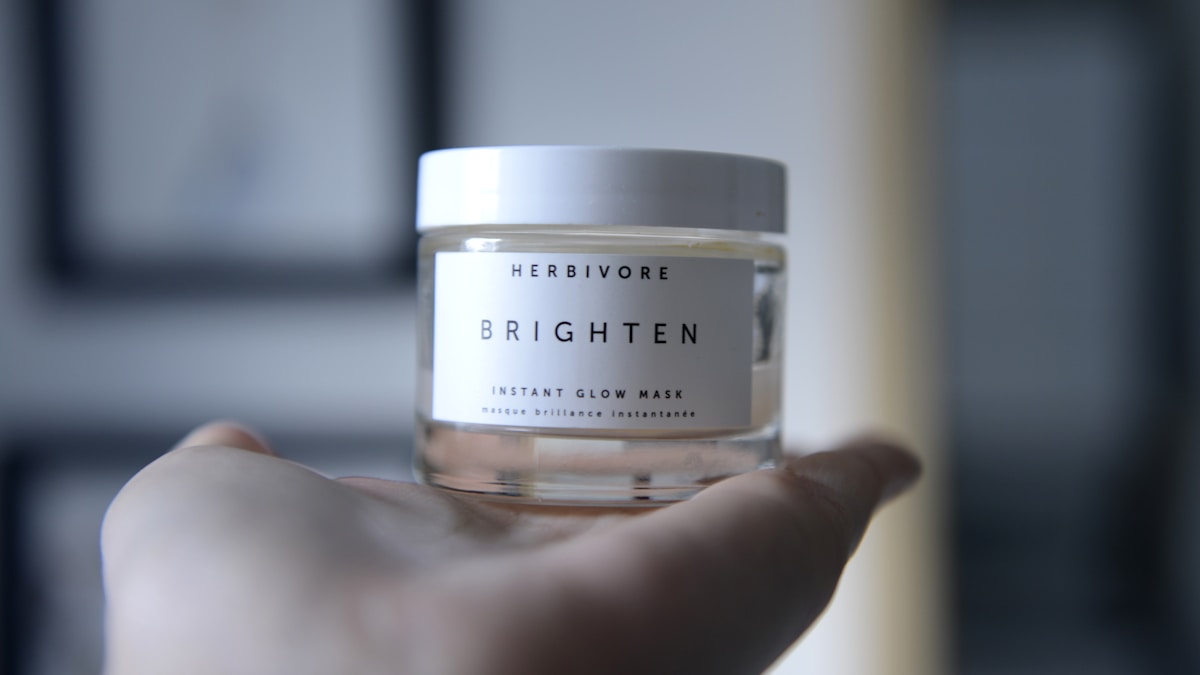
Expert Insight: The Future of Probiotic Skincare
As an editor at Beaute Cosmetic, I’ve seen probiotic formulations evolve from niche to mainstream. The key is realistic expectations: probiotics are not a replacement for evidence-based treatments like retinoids or sunscreen, but they can be a powerful adjunct, especially for sensitive or reactive skin. In 2026, we’re seeing more personalized probiotic products tailored to individual microbiomes, thanks to advances in at-home testing. This could revolutionize how we treat skin conditions. However, consumers should remain skeptical of exaggerated claims. Always check for ingredients and look for products with clinical studies. For now, probiotic skincare is a promising tool, but not a cure-all.
Expert-Recommended Probiotic Products to Try
Based on dermatologist reviews and user feedback, top picks for 2026 include: TULA’s Probiotic Cultured Skin Care line, Aurelia’s Probiotic Revitalizing Night Cream, and Biossance’s Squalane + Probiotic Gel Moisturizer. For a budget-friendly option, try The INKEY List’s SuperSolutions Probiotic Serum. Prices range from $20 to $80, available at major US retailers like Sephora, Ulta, and Nordstrom. Always check the expiration date to ensure potency.
Conclusion
Probiotic skincare offers genuine benefits for many, particularly in supporting the skin barrier and calming inflammation. While not a universal solution, when used correctly, it can be a valuable addition to your regimen. The key is to choose well-formulated products, be patient, and integrate them thoughtfully. As research continues, expect more targeted and effective options. Ready to try? Start with a probiotic serum and track your skin’s response over a few weeks. For more guidance, explore our other expert guides at Beaute Cosmetic.
Detaylı bilgi ve ek kaynaklar için resmi Vikipedi adresini ziyaret edebilir veya ilgili belgelere göz atabilirsiniz.
Sıkça Sorulan Sorular
What is probiotic skincare?
Probiotic skincare contains live beneficial bacteria or their byproducts, intended to support the skin’s microbiome. Common strains include Lactobacillus and Bifidobacterium, which can help balance skin health.
Does probiotic skincare really work?
Research shows probiotics can improve skin hydration, reduce inflammation, and help manage acne by supporting beneficial bacteria. However, results vary by product and individual. Consistent use over weeks is often needed.
Can probiotics help with acne?
Yes, certain probiotic strains produce antimicrobial peptides that target acne-causing bacteria. Clinical studies have shown significant reduction in lesions when used regularly. It’s best combined with a proper skincare routine.
Are probiotics safe for sensitive skin?
Generally yes, probiotics are considered gentle and can soothe irritation. However, patch test first, as some formulations may contain other irritating ingredients. Those with severe conditions should consult a dermatologist.
What’s the difference between prebiotics, probiotics, and postbiotics?
Prebiotics feed beneficial bacteria; probiotics are the live bacteria; postbiotics are byproducts (e.g., lactic acid) that offer benefits. Many products combine them for enhanced effects.
How often should I use probiotic skincare?
Most dermatologists recommend using probiotic products once or twice daily, depending on the formula. Start with morning use to avoid interference with evening actives like retinoids.
Can probiotic skincare replace sunscreen?
No, probiotic skincare does not provide UV protection. Always use a broad-spectrum sunscreen (SPF 30+) during the day. Probiotics can complement but not substitute sun protection.
What are the best probiotic ingredients to look for?
Look for Lactobacillus ferment, Bifidobacterium lysate, and postbiotic like Lactobacillus ferment filtrate. Prebiotics such as inulin also support microbiome health. Avoid products with many preservatives that may kill live bacteria.
Probiotic skincare offers a science-backed approach to nurturing your skin’s microbiome, with benefits ranging from improved hydration to reduced acne. While not a magic solution, when used correctly and consistently, it can be a valuable part of a holistic skincare routine. At Beaute Cosmetic, we recommend starting with a single product, monitoring your skin’s response, and combining it with a balanced diet. For the latest on skincare innovations, stay tuned to our expert analyses. Your journey to healthier skin begins with informed choices.