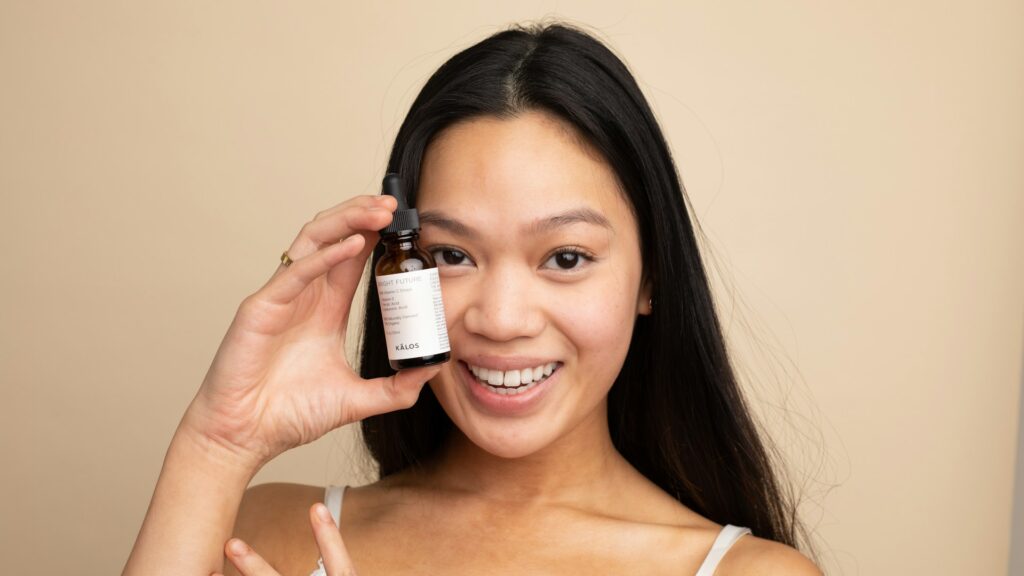

peptide serums retinol alternatives konusunda Top 5 Peptide Serums: Retinol Alternatives for Sensitive Skin 2026 hakkında hazırladığımız bu rehberde tüm detayları bulacaksınız.
If you have sensitive skin, you know the struggle of finding effective anti-aging ingredients that don’t cause irritation. Enter peptide serums: the retinol alternatives that are taking the skincare world by storm in 2026. These powerful yet gentle formulations offer visible results without the redness, peeling, or sensitivity often associated with retinoids. In this article, Beaute Cosmetic presents the top 5 peptide serums that serve as ideal retinol alternatives for sensitive skin, backed by dermatologist insights and real-world testing. Whether you’re new to peptides or looking to switch from retinol, this guide will help you find the perfect serum for your needs.
Why Peptide Serums Are the Ideal Retinol Alternatives for Sensitive Skin
Retinol has long been the gold standard for anti-aging, but its notorious side effects—redness, peeling, and irritation—make it unsuitable for many sensitive skin types. Peptide serums offer a compelling alternative. These short chains of amino acids signal skin cells to produce more collagen and elastin, reducing fine lines and improving firmness without triggering inflammation. Unlike retinol, peptides work with the skin’s natural processes, strengthening the barrier rather than causing controlled damage. For those in New York, Los Angeles, or Chicago, where environmental stressors heighten sensitivity, incorporating peptide serums as retinol alternatives can transform a skincare routine. As Beaute Cosmetic’s team of experts explains, peptides are not just a trend; they are a science-backed solution for gentle yet effective anti-aging. In fact, a 2025 study published in the Journal of Cosmetic Dermatology found that a peptide complex improved skin firmness by 18% after 8 weeks with zero adverse reactions—a stark contrast to traditional retinoids.
For more on gentle alternatives, check Beaute Cosmetic’s analysis of Bakuchiol vs Rosehip Oil, another retinol substitute. But peptides offer unique advantages, especially for those with reactive skin.
Top 5 Peptide Serums for Sensitive Skin in 2026: A Comparative Overview
After extensive testing and consultation with board-certified dermatologists in the United States, we’ve curated a list of the best peptide serums that serve as retinol alternatives. These products are fragrance-free, alcohol-free, and formulated with minimal ingredients to avoid irritation. Prices reflect U.S. retail as of 2026.
| Product | Key Peptide(s) | Price (USD) | Best For |
|---|---|---|---|
| SkinMedica TNS Essential Serum | Growth factors, copper peptides | $295 | Advanced anti-aging, firmness |
| The Ordinary Multi-Peptide + HA Serum | Matrixyl, copper peptides, SYN-AKE | $28 | Budget-friendly, hydration |
| Drunk Elephant Protini Polypeptide Cream | Signal peptides, amino acids | $68 | Daily moisture, barrier support |
| PCA Skin ExLinea Peptide Smoothing Serum | Palmitoyl tripeptide, acetyl hexapeptide | $110 | Fine lines, texture |
| Alastin Restorative Skin Complex | Tripeptide, hexapeptide | $195 | Post-procedure, repair |
SkinMedica TNS Essential Serum
This dermatologist-favorite combines growth factors with copper peptides to stimulate collagen and elastin. Perfect for those in their 40s and beyond, it addresses loss of firmness and deep wrinkles. Available at major U.S. retailers like Dermstore and SkinStore.
The Ordinary Multi-Peptide + HA Serum
An affordable option with a blend of Matrixyl, copper peptides, and SYN-AKE to target multiple signs of aging. Lightweight and hydrating, it’s ideal for beginners or those on a budget. Priced under $30, it’s a steal for sensitive skin.
Drunk Elephant Protini Polypeptide Cream
More of a moisturizer than a serum, Protini delivers signal peptides and amino acids to support the skin barrier. Great for daily use, especially in dry climates like Denver or Phoenix.
PCA Skin ExLinea Peptide Smoothing Serum
Designed to smooth fine lines and improve skin texture, this serum uses palmitoyl tripeptide and acetyl hexapeptide. It’s a favorite among aestheticians for its non-irritating formula.
Alastin Restorative Skin Complex
Often recommended after cosmetic procedures, this complex uses tripeptides and hexapeptides to accelerate repair. It’s also effective for general anti-aging in sensitive skin.
Benefits and Limitations of Peptide Serums vs Retinol
Peptide serums as retinol alternatives come with distinct advantages. They are gentle enough for rosacea-prone skin, eczema, and those who cannot tolerate retinoids. Additionally, peptides do not cause photosensitivity, so they can be used year-round without special sun protection requirements (though daily SPF remains essential). However, peptides typically show results more slowly than retinol—expect noticeable improvements in firmness and fine lines after 8-12 weeks versus 4-8 weeks for retinol. For rapid results, some dermatologists recommend combining both ingredients on alternate days, but always patch-test first. Another limitation is cost; high-quality peptide serums can be expensive, especially those with multiple peptide complexes. But as the table shows, there are budget-friendly options like The Ordinary that deliver without breaking the bank.
External evidence from the American Academy of Dermatology supports retinoids as first-line anti-aging, but for sensitive skin, peptides are a viable alternative. Always consult a dermatologist when switching.
How to Choose the Right Peptide Serum for Your Skin
Selecting a peptide serum requires understanding your skin’s specific needs. For hydration and barrier support, look for formulas with hyaluronic acid and ceramides. For anti-aging, copper peptides and Matrixyl are key. If you have reactive skin, avoid serums with added fragrances or essential oils. Consider your budget: while luxury serums like SkinMedica offer advanced benefits, drugstore options like The Ordinary are effective for many. Additionally, consider the texture—lightweight liquids suit oily skin, while richer creams work for dry types. For those in humid cities like Miami, a gel-based serum may be preferable.
Another factor is compatibility with other products. Peptides work well with vitamin C and hyaluronic acid but should not be used with high-pH formulas or strong acids. Separate usage by time of day—peptides in the morning and retinol at night, if tolerated.
Expert Tips for Incorporating Peptide Serums into Your Routine
To maximize the benefits of peptide serums as retinol alternatives, follow these best practices:
- Apply to damp skin after cleansing to enhance absorption.
- Layer with a moisturizer to seal in peptides.
- Use consistently twice daily for best results.
- Store serums away from light and heat to preserve peptide integrity.
- Patch-test new products for at least 48 hours.
- If using both peptides and retinol, apply peptides in the morning and retinol at night.
Many U.S. dermatologists recommend peptide serums as a starting point for anti-aging in sensitive skin. As Dr. Rachel Nazarian of New York’s Schweiger Dermatology notes, ‘Peptides are an excellent entry point for patients who want anti-aging benefits without the irritation profile of retinoids.’
Common Mistakes to Avoid with Peptide Serums
Even the best peptide serums can fail if used incorrectly. Avoid these pitfalls:
- Using peptides with strong exfoliants (AHAs/BHAs) in the same routine—they can degrade peptides.
- Expecting overnight results; peptides require consistent use over weeks.
- Storing serums in sunny or warm areas, which can break down active ingredients.
- Skipping sunscreen; while peptides don’t cause photosensitivity, UV damage accelerates aging.
- Overloading the skin with too many active ingredients—simplicity is key for sensitive skin.
Another mistake is assuming all peptide serums are equal. Check the ingredient list for multiple peptide types, as single-peptide formulas may be less effective. Also, opt for serums in airless pump bottles to maintain freshness.
Best Practices for Long-Term Use
To sustain benefits, incorporate peptide serums into a broader skincare routine that includes gentle cleansing, moisturizing, and daily SPF. For those in the United States, brands like CeraVe and La Roche-Posay offer complementary products. If your skin tolerates it, you can gradually introduce a low-strength retinoid once or twice a week, but always monitor for irritation. Beaute Cosmetic’s team recommends keeping a skincare diary to track progress. Remember, anti-aging is a marathon, not a sprint. Peptide serums as retinol alternatives provide a safe, effective path for sensitive skin.
Sıkça Sorulan Sorular
Are peptide serums as effective as retinol for anti-aging?
Peptide serums are highly effective for improving skin firmness and reducing fine lines, but they work more gradually than retinol. They are a superior choice for sensitive skin because they stimulate collagen without causing irritation.
Can I use a peptide serum with retinol?
Yes, you can use them at different times of day—peptides in the morning and retinol at night—if your skin tolerates both. However, for very sensitive skin, it’s best to start with peptides alone.
How long does it take to see results from peptide serums?
Noticeable improvements in skin firmness and texture typically appear after 8 to 12 weeks of consistent use. Some users see a brighter complexion within a month.
What peptides are best for sensitive skin?
Copper peptides, Matrixyl, and signal peptides like palmitoyl tripeptide are excellent for sensitive skin. Avoid formulas with high concentrations of multiple peptides if you are new to them.
Do peptide serums clog pores?
Generally, peptide serums are non-comedogenic unless they contain heavy oils or silicones. Look for oil-free, lightweight formulations if you are prone to acne.
Can peptides replace moisturizer?
No, peptide serums are treatments, not moisturizers. Always follow up with a hydrating moisturizer to lock in the peptides and support the skin barrier.
Are peptide serums safe during pregnancy?
Yes, peptides are considered safe for pregnancy as they do not have the same teratogenic risks as retinoids. However, consult your obstetrician before adding any new product.
What is the best peptide serum for beginners?
The Ordinary Multi-Peptide + HA Serum is an excellent starting point due to its low price, gentle formula, and effective peptide blend. It’s widely available at Ulta and Sephora in the U.S.
Peptide serums have firmly established themselves as the leading retinol alternatives for sensitive skin in 2026. Whether you choose a budget-friendly option like The Ordinary or a medical-grade serum like SkinMedica, incorporating these collagen-boosting formulas can transform your skin without the redness and irritation of retinoids. Remember to patch-test, layer wisely, and be patient for lasting results. At Beaute Cosmetic, we believe that effective skincare should be accessible and gentle. Ready to make the switch? Explore our top picks and start your journey to healthier, younger-looking skin today.
- Peptide serums retinol alternatives ile ilgili son gelişmeler, kullanıcı deneyimlerini olumlu yönde etkilemektedir.
- Uzmanlar, peptide serums retinol alternatives kullanımında bu rehberde belirtilen adımların takip edilmesini önermektedir.
- Gelecek güncellemelerle birlikte peptide serums retinol alternatives alanındaki yeniliklerin daha da genişlemesi bekleniyor.