
laser vs microneedling anti-aging konusunda Laser vs Microneedling: Best Anti-Aging Treatments 2026 hakkında hazırladığımız bu rehberde tüm detayları bulacaksınız.
When it comes to turning back the clock on aging skin, two treatments dominate the conversation: laser resurfacing and microneedling. But which one delivers the best results for laser vs microneedling anti-aging battles? In 2026, both technologies have evolved significantly, offering safer options with less downtime. This comprehensive guide breaks down the differences in mechanism, efficacy, cost, and suitability for various skin types and concerns. Whether you’re battling fine lines, wrinkles, or loss of firmness, understanding the nuances can help you make an informed decision alongside your dermatologist.
How Laser and Microneedling Work: Mechanism of Action
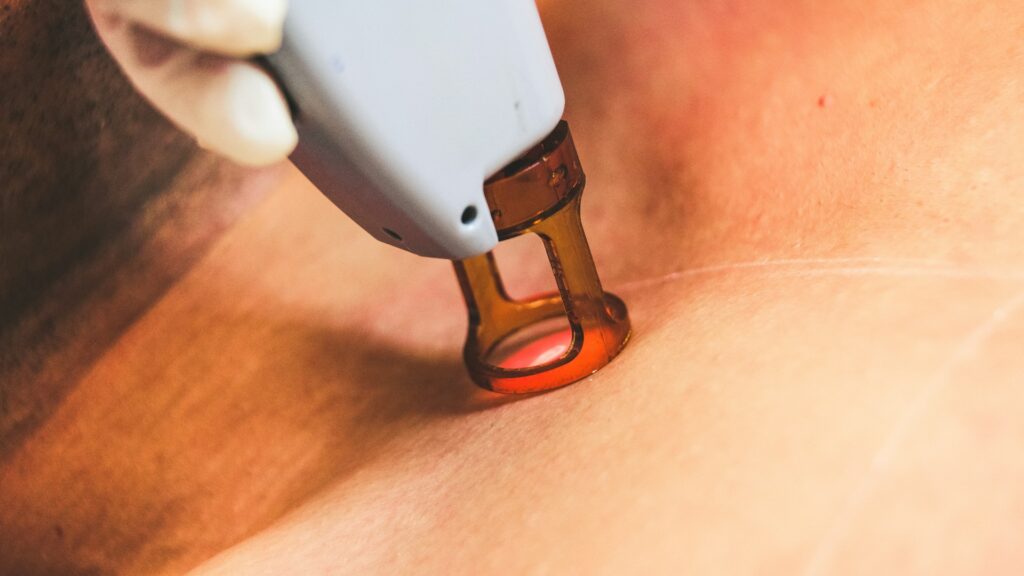
Laser treatments use focused beams of light to target specific depths of the skin. Ablative lasers (e.g., CO2, Erbium) vaporize the outer layers, while non-ablative lasers (e.g., Nd:YAG, IPL) heat the dermis without damaging the surface. Both stimulate collagen remodeling and skin tightening. Microneedling, or collagen induction therapy, uses fine needles to create controlled micro-injuries, triggering the body’s natural healing response and boosting collagen and elastin production. When combined with radiofrequency (RF microneedling), heat energy is also delivered deep to enhance tightening.

Efficacy for Different Aging Concerns
Laser resurfacing excels at treating photodamage, deep wrinkles, and uneven texture. Fractional CO2 lasers can reduce fine lines by up to 50-70% after one session, with results lasting several years. Microneedling is highly effective for superficial wrinkles, acne scars, and general skin rejuvenation. A 2026 study found that RF microneedling improved skin laxity by 30% after a series of treatments. For moderate to severe aging, combination approaches often yield the best outcomes.
Which is better for fine lines?
For fine lines around the eyes and mouth, fractional non-ablative lasers offer precision with minimal downtime. Microneedling, especially with growth factors, can also soften fine lines over multiple sessions.
Which is better for deep wrinkles?
Ablative CO2 laser remains the gold standard for deep nasolabial folds and forehead wrinkles. However, newer RF microneedling devices like Morpheus8 are closing the gap for patients who cannot tolerate laser downtime.
Benefits and Risks Comparison
Benefits of Laser
- More dramatic results in fewer sessions
- Effective for pigmentation and redness
- Long-lasting improvement (2-5 years)
Benefits of Microneedling
- Minimal downtime – often 1-2 days
- Suitable for darker skin tones (less risk of hyperpigmentation)
- Can be combined with serums (e.g., PRP, vitamin C)
Risks and Limitations
Laser risks include post-inflammatory hyperpigmentation (especially in Fitzpatrick IV-VI), prolonged redness, and infection. Microneedling is generally safe but may cause mild swelling, pinpoint bleeding, and temporary sensitivity. Neither should be performed on active acne or infected skin.
| Factor | Laser (Fractional CO2) | Microneedling (RF) |
|---|---|---|
| Downtime | 5-10 days | 1-2 days |
| Number of sessions | 1-3 | 3-5 |
| Cost per session (USD) | $1,500 – $3,000 | $400 – $900 |
| Results onset | Immediate + progressive | Gradual over months |
| Best for | Deep wrinkles, photodamage | Fine lines, texture, laxity |
As an expert perspective, Dr. Sarah Mitchell, board-certified dermatologist in New York, notes: “For patients who want a single, powerful treatment, fractional CO2 laser is unmatched. But for those seeking minimal downtime and safe treatment for all skin tones, RF microneedling is my go-to. In 2026, we often combine both in a multimodal plan.”
Common Mistakes to Avoid
- Choosing a treatment based solely on price – consider your skin’s needs and downtime.
- Not prepping skin properly (e.g., avoiding retinoids before microneedling).
- Expecting instant results from microneedling – collagen takes months to rebuild.
- Undergoing laser without sun protection afterward – UV exposure can cause severe pigmentation.
- Over-treating – too many sessions can lead to skin thinning or scarring.
Best Practices for Optimal Results
- Consult a board-certified dermatologist or plastic surgeon experienced in both modalities.
- Request a patch test for laser to assess reaction and pigmentation risk.
- Consider combination therapy: one laser session followed by microneedling sessions for maintenance.
- Use medical-grade skincare post-treatment: growth factors, sunscreen SPF 50+, and gentle cleansers.
- Plan around seasons – avoid laser in summer due to sun exposure; winter is ideal.
Which Treatment is Right for You?
Your ideal choice depends on your age, skin type, primary concerns, and lifestyle. For a 45-year-old with moderate sun damage and a busy schedule, a series of RF microneedling sessions may be more practical. A 60-year-old with deep wrinkles and good skin resilience may benefit from a single fractional CO2 laser treatment. Younger individuals (30-40) often start with microneedling as a preventive measure. For a deeper dive into retinol alternatives that can complement these procedures, see our guide on Bakuchiol vs Retinal.
External resources: For official guidelines on laser safety, refer to the American Academy of Dermatology. For microneedling standards, visit the American Board of Cosmetic Surgery.
Sıkça Sorulan Sorular
Is laser or microneedling better for anti-aging?
Laser is better for deep wrinkles and photodamage, while microneedling is ideal for fine lines, texture, and skin laxity with less downtime. The choice depends on your specific concerns and skin type.
How many microneedling sessions are needed for anti-aging?
Typically 3-5 sessions spaced 4-6 weeks apart. Maintenance sessions every 6-12 months can prolong results.
Which is more expensive: laser or microneedling?
Laser costs more per session ($1,500-$3,000) compared to microneedling ($400-$900). However, laser may require fewer sessions overall.
Can you combine laser and microneedling?
Yes, many dermatologists combine them for synergistic results. For example, one laser session followed by a series of microneedling treatments can address multiple aging signs.
What is the downtime for microneedling vs laser?
Microneedling downtime is 1-2 days of redness. Laser downtime varies: non-ablative about 2-3 days, fractional ablative 5-10 days.
Is microneedling safe for dark skin?
Yes, microneedling is generally safer than laser for darker skin tones (Fitzpatrick IV-VI) because it has lower risk of hyperpigmentation.
How long do results last from laser resurfacing?
Results from ablative lasers can last 2-5 years with proper sun protection and skincare. Non-ablative results may last 1-2 years.
Can microneedling treat wrinkles around the eyes?
Yes, microneedling is effective for periorbital wrinkles, especially when combined with radiofrequency or growth factors. Use a device with fine needles (0.5mm) near the eyes.
Choosing between laser and microneedling for anti-aging in 2026 doesn’t have to be overwhelming. Both are powerful tools, but they excel in different scenarios. Laser offers dramatic, long-lasting improvement for advanced aging, while microneedling provides a gentler path with minimal downtime. The best approach is often a personalized plan crafted with a qualified professional. Whether you opt for a single laser treatment or a series of microneedling sessions, consistency and sun protection are key. Ready to start your journey? Browse our expert reviews on top retinol serums under $50 to complement your in-office treatments.
- Laser vs microneedling anti-aging ile ilgili son gelişmeler, kullanıcı deneyimlerini olumlu yönde etkilemektedir.
- Uzmanlar, laser vs microneedling anti-aging kullanımında bu rehberde belirtilen adımların takip edilmesini önermektedir.
- Gelecek güncellemelerle birlikte laser vs microneedling anti-aging alanındaki yeniliklerin daha da genişlemesi bekleniyor.