
If you are new to anti-aging skincare, retinol for beginners can feel overwhelming—but it remains the gold standard for reversing signs of aging and improving skin texture. Retinol, a form of vitamin A, accelerates cell turnover and stimulates collagen production, delivering visible results over time. However, starting retinol without proper guidance can lead to irritation, peeling, and frustration. In this 2026 guide, Beaute Cosmetic has consulted dermatologists to bring you the safest, most effective serums and strategies for incorporating retinol into your routine.
What Is Retinol and How Does It Work?
Retinol is a retinoid, a derivative of vitamin A that converts to retinoic acid in the skin. This active form speeds up skin cell turnover, shedding dead cells and revealing fresher, smoother skin. It also boosts collagen and elastin production, reducing fine lines, wrinkles, and hyperpigmentation. For beginners, understanding that retinol works gradually—often over 12 to 24 weeks—is key to managing expectations and avoiding overuse.
Benefits of Using Retinol for Beginners
The benefits of retinol for beginners extend beyond anti-aging. Regular use can:
- Reduce fine lines and wrinkles by stimulating collagen synthesis.
- Improve skin texture by smoothing rough patches and minimizing pores.
- Fade hyperpigmentation from sun damage or acne scars.
- Prevent acne by unclogging pores and regulating oil production.
- Enhance product absorption of other skincare ingredients.
Dermatologists agree that even low-strength retinol provides cumulative benefits when used consistently.
How to Choose the Right Retinol Serum for Beginners
Strength and Concentration
Start with a low concentration—0.01% to 0.03%—to minimize irritation. Over-the-counter retinol serums are generally safe for beginners, while prescription retinoids (like tretinoin) require medical supervision. Look for products labeled “retinol for beginners” or “gentle retinol.” For budget-friendly options, check out our Top Retinol Serums Under $50: 2026 Anti-Aging Guide to find affordable, effective formulas.
Encapsulated vs. Standard Retinol
Encapsulated retinol uses a delivery system that releases the ingredient slowly, reducing irritation while maintaining efficacy. Beginners should prioritize encapsulated formulas or those with buffering vehicles like squalane.
Additional Soothing Ingredients
Choose serums that combine retinol with soothing agents such as niacinamide, ceramides, or peptides. These help maintain the skin barrier and minimize redness. Brands like CeraVe and The Ordinary offer excellent entry-level options.
Expert-Recommended Dermatologist-Approved Retinol Serums for 2026
| Product | Strength | Price (USD) | Best For |
|---|---|---|---|
| CeraVe Resurfacing Retinol Serum | 0.3% encapsulated retinol | $22 | Beginners with combination skin |
| The Ordinary Retinol 0.5% in Squalane | 0.5% retinol | $8 | Budget-friendly, normal to oily skin |
| Olay Regenerist Retinol24 Night | 0.1% retinol plus vitamin B3 | $28 | Dry or mature skin |
| Neutrogena Rapid Wrinkle Repair Retinol Oil | 0.2% retinol with glucose complex | $22 | Sensitive skin |
| SkinCeuticals Retinol 0.3 | 0.3% pure retinol | $76 | Advanced beginners, even skin tone |
These serums are widely recommended by U.S. dermatologists for their tolerance and efficacy. Prices are current as of early 2026.
How to Incorporate Retinol into Your Skincare Routine
The Sandwich Method
To buffer irritation, apply moisturizer before and after retinol. This “sandwich” technique reduces penetration and is ideal for beginners with sensitive skin.
Start Slow and Increase
Use retinol once or twice a week for the first month, then gradually increase to every other night. Avoid using other active ingredients like AHAs, BHAs, or benzoyl peroxide on retinol nights to prevent over-exfoliation. Always apply sunscreen during the day, as retinol increases photosensitivity.
Common Mistakes Beginners Make with Retinol
- Overusing from the start: Daily application too soon leads to redness and peeling.
- Skipping moisturizer: Retinol can compromise the skin barrier; hydration is essential.
- Using with other actives: Combining retinol with vitamin C or acids can cause irritation.
- Not wearing sunscreen: Sun protection is non-negotiable with retinol use.
- Choosing too high a strength: Jumping to 1% retinol often results in discomfort.
Best Practices for Retinol Beginners
- Patch test on a small area for 3 days before full-face use.
- Apply retinol to clean, dry skin (wait 20 minutes after cleansing).
- Use a pea-sized amount; more does not equal faster results.
- Hydrate with a fragrance-free moisturizer.
- If irritation occurs, reduce frequency or take a break.
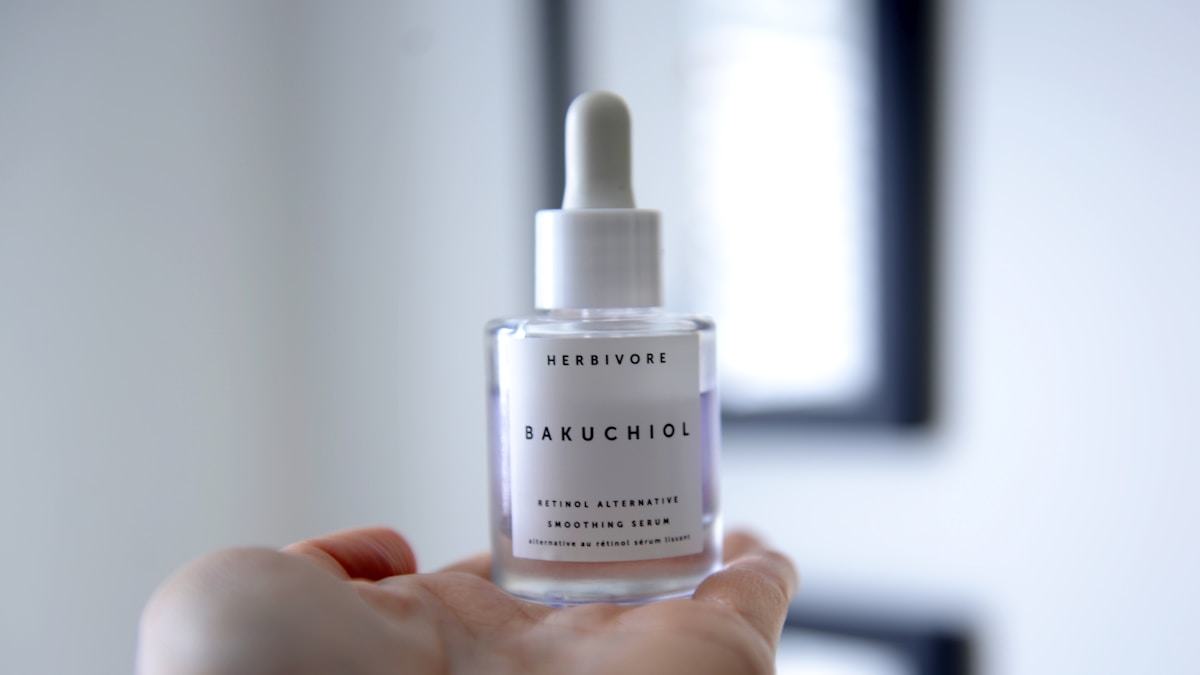
For those with extremely sensitive skin, consider alternatives like bakuchiol. Learn more in our comparison of Bakuchiol vs Retinal: Which Retinol Alternative Wins 2026?
According to the American Academy of Dermatology, retinol is safe for most people when used correctly. Always consult a dermatologist for personalized advice, especially if you have a history of skin conditions.
Sıkça Sorulan Sorular
What is the best retinol for beginners?
The best retinol for beginners is a low-concentration formula (0.01% to 0.03%) with soothing ingredients. Products like CeraVe Resurfacing Retinol Serum or The Ordinary Retinol 0.5% in Squalane are excellent starting points.
How often should I use retinol as a beginner?
Start with once or twice a week for the first month, then gradually increase to every other night. This slow introduction helps your skin adjust and minimizes irritation.
Can I use retinol every day?
While some people eventually use retinol daily, beginners should avoid daily use until their skin builds tolerance. Overuse can lead to redness, peeling, and a compromised skin barrier.
What should I not use with retinol?
Avoid combining retinol with other strong actives like AHAs, BHAs, benzoyl peroxide, or high-concentration vitamin C on the same night. These can increase irritation. Use them on alternate nights or in different routines.
Does retinol cause purging?
Yes, some people experience a temporary breakout—called purging—during the first few weeks. This is normal as retinol speeds up cell turnover and brings underlying congestion to the surface. It usually clears within 4–6 weeks.
Can I use retinol if I have sensitive skin?
Yes, but start with a low concentration and use the sandwich method (moisturizer before and after) to buffer irritation. Alternatively, consider gentler retinoids like retinal or bakuchiol.
When will I see results from retinol?
Most people notice initial improvements in skin texture within 4–8 weeks, but significant anti-aging benefits like reduced wrinkles may take 12–24 weeks of consistent use.
Do I need to wear sunscreen when using retinol?
Absolutely. Retinol increases your skin’s sensitivity to UV rays, and sun exposure can counteract its benefits. Use a broad-spectrum SPF 30 or higher every day.
Embarking on a retinol journey in 2026 is one of the best decisions for your skin’s future. By starting with a dermatologist-approved, beginner-friendly serum and following a gradual routine, you can achieve smoother, firmer, and more radiant skin without unnecessary irritation. Remember: patience and consistency are your greatest allies. Explore more expert guides and product reviews at Beaute Cosmetic to continue your skincare education. Your best skin starts today.
- Retinol for beginners ile ilgili son gelişmeler, kullanıcı deneyimlerini olumlu yönde etkilemektedir.
- Uzmanlar, retinol for beginners kullanımında bu rehberde belirtilen adımların takip edilmesini önermektedir.
- Gelecek güncellemelerle birlikte retinol for beginners alanındaki yeniliklerin daha da genişlemesi bekleniyor.