
Retinol alternatives for sensitive skin konusunda Retinol Alternatives for Sensitive Skin 2026: Top Derm Picks hakkında hazırladığımız bu rehberde tüm detayları bulacaksınız.
If you have sensitive skin, you know the struggle of finding effective anti-aging ingredients that don’t cause redness, peeling, or irritation. Retinol, the gold standard in anti-aging, often proves too harsh for reactive complexions. Fortunately, retinol alternatives for sensitive skin have emerged as powerful, gentler options. In 2026, dermatologists are increasingly recommending plant-based retinoids, peptide complexes, and other innovative ingredients that deliver comparable results without the side effects. This guide explores the top retinol alternatives for sensitive skin, backed by expert insights and the latest research. Whether you’re new to anti-aging or seeking a tolerance break, these alternatives can help you achieve a youthful glow without compromising your skin’s comfort. Read on for our curated list of the best retinol alternatives for sensitive skin, selected by leading dermatologists.
Why Retinol Can Irritate Sensitive Skin
Retinol is a vitamin A derivative that accelerates cell turnover and stimulates collagen production. While effective, it can disrupt the skin barrier, leading to dryness, flaking, and inflammation—especially in sensitive skin types. The mechanism involves binding to retinoic acid receptors, which triggers an inflammatory response in some individuals. This is why retinol alternatives for sensitive skin are crucial. For those who have tried but cannot tolerate retinol, the alternatives offer a pathway to anti-aging benefits with minimal irritation. Understanding the root cause of retinol sensitivity helps in selecting the right substitute. Often, the reaction is due to rapid exfoliation or a compromised barrier. Alternatives work through different pathways, such as gentle enzyme stimulation or antioxidant support, making them ideal for reactive skin.
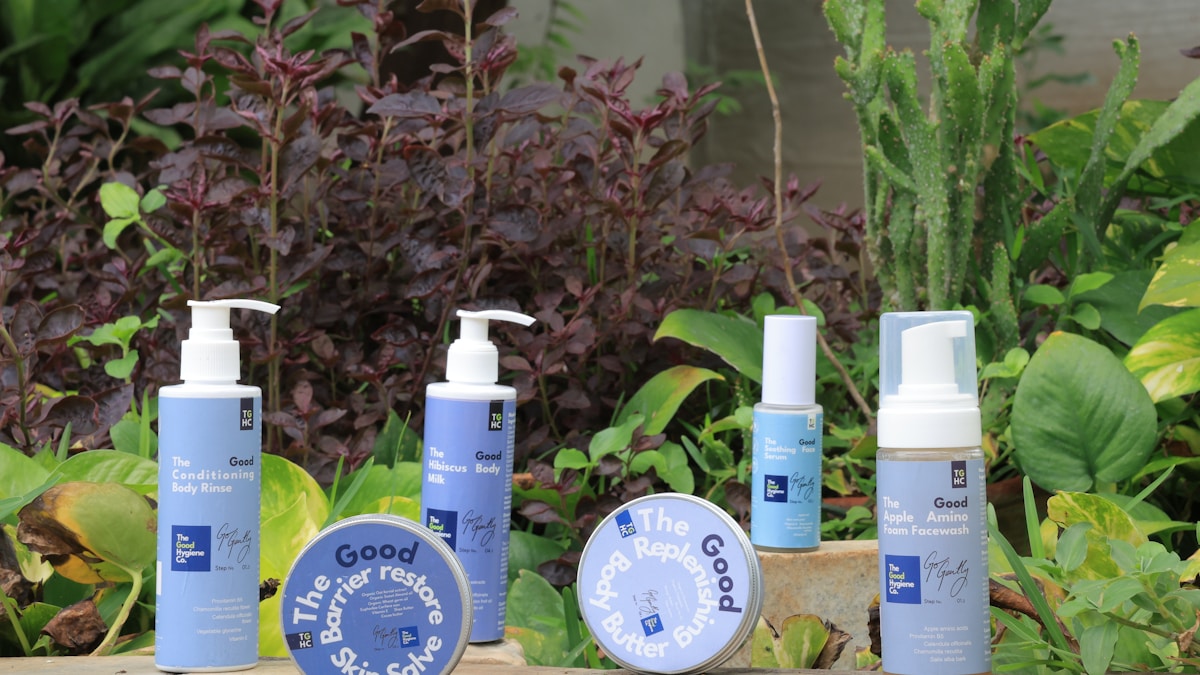
Top Retinol Alternatives for Sensitive Skin 2026
Dermatologists have identified several effective retinol alternatives for sensitive skin that provide anti-aging benefits without the harsh side effects. Below are the most recommended options for 2026.
Bakuchiol
Derived from the seeds of the Psoralea corylifolia plant, bakuchiol is a natural, plant-based alternative to retinol. Clinical studies show it stimulates collagen production and reduces fine lines with significantly less irritation. It can be used by all skin types, including rosacea-prone and eczema-prone skin. Many serums combine bakuchiol with soothing ingredients like niacinamide. For a direct comparison, check out our article on Bakuchiol vs Retinal: Which Retinol Alternative Wins 2026? where we break down the differences and benefits.
Peptide Serums
Peptides are short chains of amino acids that signal the skin to produce more collagen and elastin. They are exceptionally gentle and well-tolerated by sensitive skin. Copper peptides, in particular, have been shown to improve skin firmness and reduce wrinkles. For a curated list, see our guide on Top 5 Peptide Serums: Retinol Alternatives for Sensitive Skin 2026 featuring expert-tested products.
Retinaldehyde (Retinal)
Retinaldehyde is a retinoid that converts directly into retinoic acid in the skin, but with fewer side effects than retinol. It works faster and is often better tolerated by sensitive skin when used in low concentrations (0.05% or less). It is a good stepping stone for those wanting to eventually use retinol.
Azelaic Acid
Azelaic acid is a naturally occurring acid that reduces inflammation, fights acne, and brightens skin. It also has mild anti-aging properties by inhibiting melanin production and improving texture. It is a favorite among dermatologists for rosacea and sensitive, acne-prone skin.
Vitamin C (Ascorbic Acid)
Vitamin C is a powerful antioxidant that protects against photoaging and boosts collagen synthesis. While not a direct retinol replacement, it complements anti-aging routines and is generally well-tolerated. Look for stabilized forms like ascorbyl glucoside or sodium ascorbyl phosphate if your skin reacts to L-ascorbic acid.
Comparison of Key Retinol Alternatives
| Ingredient | Mechanism | Irritation Level | Best For |
|---|---|---|---|
| Bakuchiol | Collagen stimulation via gene expression | Very Low | All sensitive skin, rosacea |
| Peptides | Signaling collagen production | Minimal | Dry, aging sensitive skin |
| Retinaldehyde | Direct conversion to retinoic acid | Low to Moderate | Those wanting quick results |
| Azelaic Acid | Anti-inflammatory, keratolytic | Low | Acne-prone, rosacea |
| Vitamin C | Antioxidant, collagen support | Low | Brightening, protection |
How to Choose the Right Retinol Alternative
Selecting the best retinol alternative for sensitive skin depends on your primary skin concerns and tolerance. Start with the gentlest options like peptides or bakuchiol. If your skin is resilient, you may try low-strength retinaldehyde. Always patch test first. Consider your skin type: bakuchiol suits oily and acne-prone, while peptides are ideal for dry and mature skin. Check product formulations for soothing ingredients like ceramides, niacinamide, or panthenol. Avoid products with fragrance or alcohol, which can exacerbate sensitivity. For personalized recommendations, consult a board-certified dermatologist.

Benefits of Switching to a Retinol Alternative
- Reduced Irritation: No more redness, peeling, or stinging.
- Barrier Support: Many alternatives contain hydrating and strengthening ingredients.
- Consistency: You can use them daily without needing to cycle or buffer.
- Sun Tolerance: Unlike retinol, most alternatives do not cause photosensitivity.
- Multitasking: Ingredients like azelaic acid also treat acne and hyperpigmentation.
- Gentle Exfoliation: Some alternatives promote cell turnover without aggressive peeling.
Risks and Limitations to Consider
While retinol alternatives for sensitive skin are safer, they come with caveats. They may not be as potent as prescription retinoids for deep wrinkles. Results take longer—typically 8-12 weeks versus 4-6 weeks with retinol. Some individuals may still experience mild irritation, especially with retinaldehyde. Also, not all alternatives are well-studied for long-term anti-aging; bakuchiol has limited long-term data compared to retinol. It’s important to manage expectations and combine with other anti-aging habits like sun protection. As noted by the American Academy of Dermatology, consistent use of sunscreen is crucial when using any anti-aging ingredient (AAD on sunscreen for sensitive skin).
Expert Tips for Transitioning to a Retinol Alternative
- Start with a low concentration and apply every other night.
- Always use a moisturizer beforehand to buffer.
- Introduce one new product at a time to monitor reactions.
- Apply in your PM routine and follow with a rich moisturizer.
- In the morning, use a gentle cleanser and a broad-spectrum SPF 30+.
- Give your skin at least 4 weeks to adjust before increasing strength.
Common Mistakes When Using Retinol Alternatives
- Mixing with other actives: Avoid combining with AHAs, BHAs, or vitamin C in the same routine.
- Skipping sunscreen: Even mild exfoliants increase sun sensitivity.
- Using too many products: Stick to a simple routine to reduce irritation.
- Expecting overnight results: Patience is key; alternatives work gradually.
- Ignoring ingredient lists: Check for hidden irritants like essential oils.
Best Practices for Sensitive Skin Anti-Aging
To maximize results with retinol alternatives for sensitive skin, follow these best practices. First, prioritize hydration: use a hyaluronic acid serum and a ceramide-rich moisturizer. Second, maintain a healthy skin barrier by avoiding over-exfoliation. Third, incorporate antioxidants like vitamin E or green tea. Fourth, get adequate sleep and manage stress, as cortisol accelerates aging. Finally, schedule annual skin checks with a dermatologist. For a complete anti-aging approach, consider complementary treatments like LED light therapy or gentle microneedling—but only under professional guidance.
Sıkça Sorulan Sorular
What is the best retinol alternative for extremely sensitive skin?
Bakuchiol and peptide serums are the most gentle retinol alternatives for extremely sensitive skin. They stimulate collagen without irritating the skin barrier or causing redness. Both are suitable for rosacea-prone and reactive skin.
Can retinol alternatives cause purging?
Unlike retinol, most alternatives like peptides and bakuchiol do not cause purging (initial breakouts). However, retinaldehyde may lead to mild purging in some individuals. Azelaic acid can help reduce acne without a purge phase.
How long does it take to see results from retinol alternatives?
Results typically appear within 8 to 12 weeks of consistent use. Bakuchiol and peptides show gradual improvement in fine lines and firmness. For faster results, retinaldehyde may show changes in 4 to 6 weeks.
Are retinol alternatives safe during pregnancy?
Yes, many retinol alternatives like bakuchiol, peptides, and azelaic acid are considered safe during pregnancy. Always consult your obstetrician before starting any new skincare product. Avoid retinaldehyde and other retinoids during pregnancy.
Can I use retinol alternatives with vitamin C?
Yes, but with caution. Bakuchiol and peptides pair well with vitamin C in separate routines (morning for vitamin C, evening for the alternative). Avoid using retinaldehyde and vitamin C together as they may cause irritation.
Do retinol alternatives expire faster?
Bakuchiol and peptides are generally stable if stored properly. Retinaldehyde can be sensitive to light and air. Always check expiration dates and store products in a cool, dark place. Most alternatives last 6-12 months after opening.
What is the price range for effective retinol alternatives?
Prices vary widely. Bakuchiol serums range from $15 to $50, peptide serums from $20 to $100, retinaldehyde from $30 to $80, and azelaic acid from $10 to $40. Many affordable options are available at drugstores and online.
How often should I use retinol alternatives?
Start by using them every other night. If your skin tolerates well, you can increase to nightly use. For bakuchiol and peptides, daily use is generally safe. Retinaldehyde and azelaic acid may be used 3-4 times per week initially.
Retinol doesn’t have to be the only anti-aging option for sensitive skin. With a growing array of retinol alternatives for sensitive skin—from bakuchiol and peptides to retinaldehyde and azelaic acid—you can achieve smoother, firmer skin without the irritation. The key is to choose the right ingredient based on your skin’s tolerance and needs. Start slowly, be consistent, and always pair with sun protection. For a deeper dive into specific products, explore our guide on the Top 5 Peptide Serums for sensitive skin or compare bakuchiol vs retinal in our dedicated post. Your skin deserves effective yet gentle care—these alternatives deliver just that. Embrace the new era of sensitive-skin-friendly anti-aging and enjoy a radiant, youthful complexion in 2026 and beyond.
Özetle, Retinol alternatives for sensitive skin hakkında dikkat edilmesi gereken en kritik noktaları paylaştık. Siz de Retinol alternatives for sensitive skin ile ilgili deneyimlerinizi veya aklınıza takılanları yorumlar kısmında bizimle paylaşabilirsiniz.