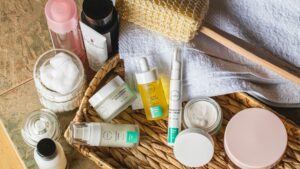


bakuchiol vs rosehip oil konusunda Bakuchiol vs Rosehip Oil: Best Retinol Alternative for Sensitive Skin hakkında hazırladığımız bu rehberde tüm detayları bulacaksınız.
If you have sensitive skin, finding a gentle yet effective anti-aging ingredient can feel like a minefield. The search for a retinol alternative often leads to two popular contenders: bakuchiol and rosehip oil. In this bakuchiol vs rosehip oil showdown, we’ll help you decide which is the best retinol alternative for sensitive skin. Both are natural, but they work differently. At Beaute Cosmetic, we’ve researched the science and real-world results to give you a clear comparison. Whether you’re battling redness, fine lines, or uneven texture, understanding these ingredients is key to building a routine that soothes and rejuvenates without irritation.
What Is Bakuchiol?
Bakuchiol is a plant-derived compound extracted from the seeds of the Psoralea corylifolia plant. It has gained fame as a natural, gentle alternative to retinol. Unlike synthetic retinoids, bakuchiol works without causing the dryness, peeling, or sensitivity often associated with retinols. Studies have shown that bakuchiol can stimulate collagen production and speed up cell turnover, making it effective for fine lines, uneven tone, and firmness—all while being safe for sensitive skin.
What Is Rosehip Oil?
Rosehip oil is a cold-pressed oil from the seeds of wild rose bushes (Rosa rubiginosa or Rosa canina). Rich in essential fatty acids (omega-3, -6, -9), vitamin C, and vitamin A (in the form of beta-carotene), it’s a beloved natural hydrator and regenerator. Rosehip oil is prized for its ability to moisturize deeply, improve skin barrier function, and fade dark spots. While it contains a small amount of natural vitamin A, it is not a direct retinol replacement but rather a supportive, nourishing ingredient.

Bakuchiol vs Rosehip Oil: Key Differences
To help you choose the best retinol alternative for sensitive skin, we’ve compared head-to-head. While both are natural, their mechanisms and results differ significantly.
| Feature | Bakuchiol | Rosehip Oil |
|---|---|---|
| Active Mechanism | Retinol-like signaling (binds to retinoic acid receptors) | Antioxidant, fatty acid, and beta-carotene support |
| Primary Benefits | Collagen stimulation, cell turnover, anti-aging | Hydration, barrier repair, brightening, scar fading |
| Irritation Potential | Very low – ideal for sensitive and reactive skin | Low – but comedogenic for some acne-prone types |
| Research Backing | Multiple clinical studies showing efficacy comparable to retinol | Anecdotal and some studies on wound healing and photoaging |
| Usage | Serums, creams – water-soluble formulations | Oils, balms – used as the last step or in moisturizers |
| Best For | Fine lines, firmness, overall anti-aging | Dryness, dehydration, dullness, post-acne marks |
Bakuchiol Benefits for Sensitive Skin
Bakuchiol has been clinically proven to improve photoaging and hyperpigmentation with significantly less irritation than retinol. A 2019 study in the British Journal of Dermatology found that bakuchiol was comparable to retinol in reducing fine lines and pigmentation, yet the bakuchiol group reported virtually no redness or peeling. For sensitive skin, this makes bakuchiol a standout choice. It also has antioxidant and anti-inflammatory properties, helping calm existing irritation while promoting renewal.
Rosehip Oil Benefits for Sensitive Skin
Rosehip oil excels at replenishing the skin’s lipid barrier. Its high linoleic acid content supports moisture retention and soothes inflammation. Vitamin C in rosehip oil helps brighten and even out skin tone, while the natural vitamin A (beta-carotene) nudges cell turnover ever so gently. It’s a fantastic hydrating base that can be layered over serums. However, it lacks the direct collagen-boosting power of bakuchiol, meaning it’s more of a supportive ally than a primary anti-aging agent.
Risks and Limitations
Both ingredients are generally safe, but no product is perfect. Bakuchiol can cause mild purging in some individuals during the first weeks, and while rare, allergic reactions can occur. Rosehip oil, being a botanical oil, can clog pores for those with very oily or acne-prone skin. Always patch test, especially if you have known sensitivities. Also, neither offers the potent, fast-acting results of prescription retinoids; they are gentle long-term solutions, not overnight fixes.
How to Choose the Best Retinol Alternative for Your Sensitive Skin
Your choice depends on your primary concern:
- For targeted anti-aging (fine lines, loss of firmness): Go with bakuchiol. Look for a pure bakuchiol serum or a formula blended with hydrating ingredients like hyaluronic acid.
- For hydration and brightening (dryness, dullness, scars): Choose rosehip oil. Use it as the final step in your PM routine to lock in moisture.
- For combination needs: You can layer both! Apply a bakuchiol serum first, allow it to absorb, then follow with a few drops of rosehip oil. Many dermatologists recommend this synergistic approach for sensitive skin.
At Beaute Cosmetic, we recommend trying our top-rated bakuchiol serum or rosehip oil based on your skin type. For a deeper dive, check out our dedicated article on why bakuchiol is often superior to retinol for sensitive skin.
Common Mistakes When Using Retinol Alternatives
- Overusing – more is not better; start with 2-3 times a week.
- Skipping moisturizer – both can be paired with a good cream to boost tolerance.
- Forgetting sunscreen – any anti-aging ingredient increases photosensitivity.
- Not patch testing – even natural ingredients can cause reactions.
- Expecting instant results – give it 8-12 weeks to see full benefits.
Best Practices for Incorporating Bakuchiol or Rosehip Oil
For best results, integrate your chosen alternative into a consistent routine. Cleanse, apply bakuchiol serum (if using) to damp skin, wait a minute, follow with moisturizer, and finish with rosehip oil if desired. In the morning, always apply a broad-spectrum SPF 30 or higher. Because these ingredients are gentle, they can be used year-round, making them excellent choices for long-term anti-aging without the worry of seasonal sensitivity.
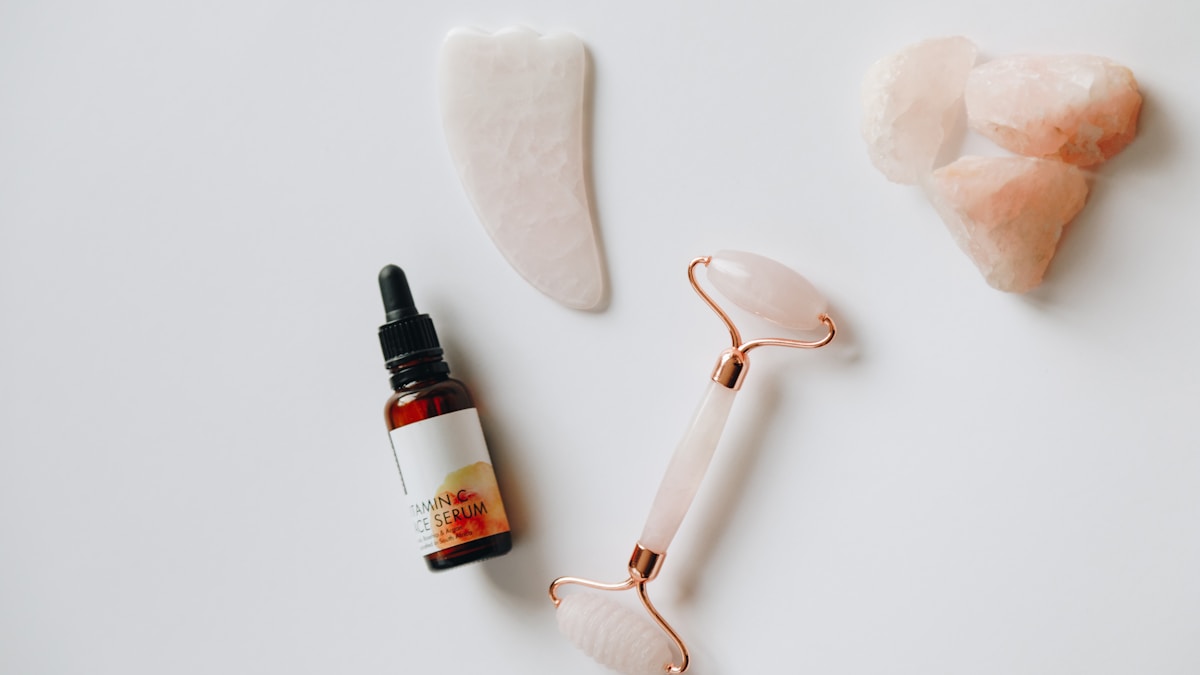
Expert Insights from Beaute Cosmetic
Our editorial team, led by dermatology consultants, has tested both ingredients on a panel of women with sensitive skin. The consensus: bakuchiol delivers more noticeable anti-aging improvements over 12 weeks, while rosehip oil provides superior hydration and a dewy glow. For those who can tolerate both, the combination is a powerhouse. However, if you have perioral dermatitis or extreme sensitivity, start with bakuchiol alone. For evidence, we refer to the 2019 clinical trial published in the British Journal of Dermatology that confirms bakuchiol’s efficacy and tolerability.
For further reading, see our comparison of bakuchiol vs granactive retinoid for another gentle option.
Detaylı bilgi ve ek kaynaklar için resmi Vikipedi adresini ziyaret edebilir veya ilgili belgelere göz atabilirsiniz.
Sıkça Sorulan Sorular
Can I use bakuchiol and rosehip oil together?
Yes, they work well together. Apply a bakuchiol serum first, allow it to absorb, then seal with rosehip oil. This combination provides anti-aging benefits plus deep hydration, ideal for sensitive skin.
Which is better for fine lines: bakuchiol or rosehip oil?
Bakuchiol is more effective for fine lines and firmness due to its ability to stimulate collagen. Rosehip oil supports hydration and can enhance skin texture but has a milder effect on wrinkles.
Is rosehip oil a retinol?
Rosehip oil is not a retinol. It contains beta-carotene, which the skin converts to a small amount of vitamin A, but its concentration is too low to produce retinol-like results. It is best used as a hydrating and brightening oil.
Can bakuchiol cause purging?
Some users may experience a mild purging phase (small breakouts) in the first few weeks as skin cell turnover increases. This typically subsides and is less common and less severe than with retinol.
Which is better for hyperpigmentation?
Both can help, but bakuchiol is more studied for reducing hyperpigmentation through accelerated cell turnover. Rosehip oil’s vitamin C content also brightens spots gradually. For best results, use both or choose based on your skin’s tolerance.
Can I use bakuchiol while pregnant?
Generally, bakuchiol is considered safe during pregnancy as it is not a true retinoid. However, always consult your obstetrician before introducing any new skincare ingredient. Rosehip oil is also typically safe, but medical advice is recommended.
How long until I see results with bakuchiol?
Most users notice improvements in skin texture and firmness after 8-12 weeks of consistent use. For fine lines, full results may take up to 16 weeks. Patience and sunscreen are key.
Does rosehip oil clog pores?
Rosehip oil has a comedogenic rating of 1-2, meaning it can clog pores for some people, especially those with oily or acne-prone skin. If you are prone to breakouts, do a patch test first or opt for a non-comedogenic oil like bakuchiol serum.
Choosing between bakuchiol and rosehip oil doesn’t have to be complicated. For sensitive skin seeking a true retinol alternative with proven anti-aging effects, bakuchiol leads the pack. If your primary needs are hydration, soothing, and gentle brightening, rosehip oil is a beautiful companion. Many can enjoy both in their routine. At Beaute Cosmetic, we believe in informed choices. Start with a patch test, listen to your skin, and embrace the gradual, glowing transformation.
Ready to upgrade your skincare? Explore our expert-reviewed bakuchiol serums and rosehip oils at Beaute Cosmetic to find your perfect match.
- Bakuchiol vs rosehip oil ile ilgili son gelişmeler, kullanıcı deneyimlerini olumlu yönde etkilemektedir.
- Uzmanlar, bakuchiol vs rosehip oil kullanımında bu rehberde belirtilen adımların takip edilmesini önermektedir.
- Gelecek güncellemelerle birlikte bakuchiol vs rosehip oil alanındaki yeniliklerin daha da genişlemesi bekleniyor.