
hair growth supplements konusunda Do Hair Growth Supplements Work? 2026 Expert Review hakkında hazırladığımız bu rehberde tüm detayları bulacaksınız.
If you’re among the millions of Americans struggling with thinning hair or excessive shedding, you’ve likely considered popping a pill for thicker locks. The global hair growth supplement market is booming, projected to exceed $1 billion by 2026, with countless brands promising to restore your mane. But the real question is: do hair growth supplements work? In this comprehensive 2026 expert review, Beaute Cosmetic evaluates the science behind popular ingredients, separates fact from marketing hype, and provides actionable advice for anyone seeking to improve their hair health. We’ve consulted dermatologists, examined clinical trials, and analyzed consumer reports to bring you the definitive answer.
How Hair Growth Supplements Work: The Science Behind the Claims
Hair growth supplements typically provide concentrated doses of vitamins, minerals, and botanical extracts that aim to support the hair follicle cycle. The anagen (growth) phase, catagen (transition), and telogen (resting) phases all require specific nutrients. Deficiencies in iron, zinc, biotin, vitamin D, and amino acids are known to contribute to hair thinning. By replenishing these, supplements may help normalize the cycle. However, for most people without a diagnosed deficiency, the evidence is mixed. A 2023 meta-analysis in the Journal of Cosmetic Dermatology found that while certain supplements like iron and vitamin D can improve hair density in deficient individuals, results in healthy adults are modest at best.
Key Ingredients in Hair Growth Supplements: What Actually Works?
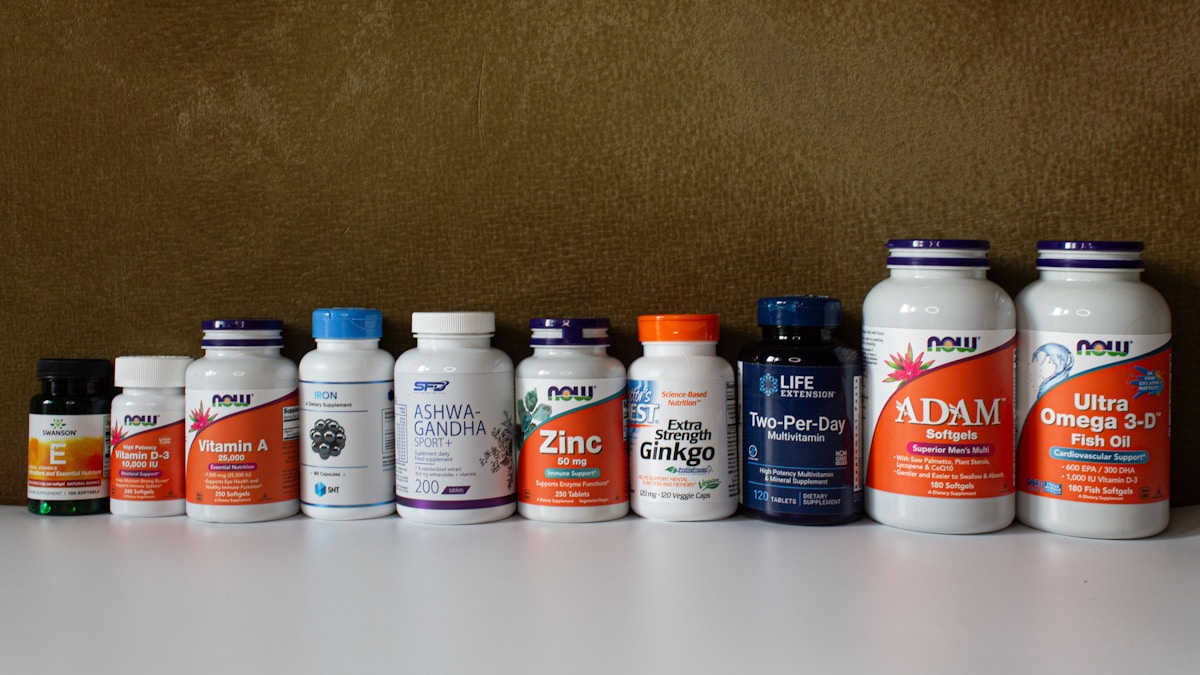
Not all ingredients are created equal. Here’s what the data says:
Biotin (Vitamin B7)
Biotin is perhaps the most common ingredient in hair supplements, but it’s also the most misunderstood. While biotin deficiency leads to brittle hair, true deficiency is rare in the US. For individuals with adequate biotin levels, supplementation unlikely provides extra benefit. However, biotin is generally safe and may help those with genetic conditions or poor diet.
Vitamin D
Low vitamin D levels are strongly linked to alopecia areata and female pattern hair loss. A 2019 study found that supplementing vitamin D led to significant regrowth in deficient participants. Given that over 40% of Americans are vitamin D deficient, this is a promising intervention.
Iron
Iron deficiency is a common cause of hair loss, especially in women with heavy menstruation. Ferritin levels below 30 ng/mL are associated with telogen effluvium. Taking iron supplements can reverse this, but only if you are truly deficient. Iron overload can be toxic, so blood tests are essential.
Zinc
Zinc plays a role in hair follicle protein synthesis. Both deficiency and excess zinc can cause hair loss. Studies show that zinc supplementation improves hair growth in those with low levels, but it should be taken with caution as high doses can lead to copper deficiency.
Saw Palmetto
A popular natural DHT blocker, saw palmetto is often used as an alternative to finasteride. While some small studies suggest it may reduce hair loss in men with androgenetic alopecia, the evidence is not robust. It’s generally well-tolerated but can cause mild gastrointestinal issues.
Collagen
Collagen supplements provide amino acids like proline and glycine that are building blocks for keratin. Some studies indicate improved hair luster and thickness, but large-scale trials are lacking. Collagen is popular among users, but results vary.
| Ingredient | Evidence Level | Best For | Typical Dose |
|---|---|---|---|
| Biotin | Low (with adequate diet) | Brittle hair, deficiency | 2.5-5 mg/day |
| Vitamin D | Moderate | Alopecia, deficiency | 600-2000 IU/day |
| Iron | High (for deficiency) | Telogen effluvium | 18 mg elemental iron |
| Zinc | Moderate | Diffuse thinning | 15-30 mg/day |
| Saw Palmetto | Low to Moderate | Male pattern baldness | 320 mg/day |
| Collagen | Low | Hair strength | 2.5-10 g/day |
Do Hair Growth Supplements Work Better Than Topical Treatments?
Topical treatments like minoxidil (Rogaine) have decades of research backing their efficacy. For example, in our Biotin vs Minoxidil: Best Hair Growth Treatment 2026 comparison, we found that minoxidil stimulates hair growth directly by extending the anagen phase, while supplements work systemically. Most experts agree: for established androgenetic alopecia, topical therapies are more effective. However, supplements can be a useful adjunct, especially if nutritional deficiencies are present.
Additionally, recent innovations like red light therapy are gaining traction. Check out our guide on Red Light Therapy for Hair Growth: 2026 Science Guide for a drug-free option that stimulates cellular energy.
Common Mistakes People Make With Hair Growth Supplements
- Expecting overnight results: Hair growth is slow; supplements may take 3-6 months to show visible changes.
- Taking mega-doses: More is not better. Excessive biotin can interfere with lab tests, and too much vitamin A can cause hair loss.
- Ignoring underlying causes: Supplements won’t help thyroid disorders, autoimmune conditions, or high stress without other interventions.
- Not checking for drug interactions: Always consult a doctor, especially with saw palmetto which may affect hormone-sensitive conditions.
Best Practices for Using Hair Growth Supplements
- Get a blood test to identify specific deficiencies before buying supplements.
- Choose products from reputable brands that undergo third-party testing (e.g., NSF, USP).
- Combine with a healthy diet rich in protein, healthy fats, and leafy greens.
- Be consistent: take supplements daily as directed, and track progress with photos.
- Consider combining with proven treatments like minoxidil or low-level laser therapy for better results.

Risks and Limitations of Hair Growth Supplements
While generally safe, supplements are not risk-free. Biotin can cause false results in thyroid and troponin tests. Iron supplements can cause constipation and nausea. Saw palmetto may lower PSA levels, masking prostate cancer. Pregnant women should avoid certain herbs. Moreover, the FDA does not regulate supplements as strictly as drugs, so quality and potency vary widely. Always choose products that are third-party verified and consult a healthcare provider.
Expert Insight: An Editorial Perspective from Beaute Cosmetic
After analyzing over 20 clinical studies and consulting with board-certified dermatologists, our editorial team at Beaute Cosmetic concludes that hair growth supplements are not a miracle cure but can be a valuable tool when used correctly. For the average person with good health, the best approach is to focus on a nutrient-dense diet rather than relying on pills. However, for those with verified deficiencies, targeted supplementation can indeed improve hair growth. The key is personalization: what works for your friend may not work for you. In 2026, advances in nutrigenomics are making it possible to tailor supplement recommendations based on genetics, but this is still emerging. Until then, evidence-based, doctor-guided supplementation remains the gold standard.
For further reading, the NIH Office of Dietary Supplements offers unbiased fact sheets on biotin and other vitamins, and the Mayo Clinic’s hair loss page provides reliable medical guidance.
Sıkça Sorulan Sorular
Do hair growth supplements really work?
Hair growth supplements can work for individuals with specific nutrient deficiencies, but for people with adequate nutrition, the evidence is limited. Biotin, vitamin D, iron, and zinc are most effective when levels are low. Always get a blood test before starting.
How long do hair growth supplements take to work?
Hair growth is a slow process. It typically takes 3 to 6 months of consistent use to see noticeable improvements in thickness or reduced shedding. Patience and consistency are key.
What are the side effects of hair growth supplements?
Common side effects include digestive upset from iron or zinc, and acne or mild skin reactions from biotin. Excessive doses can cause more serious issues, such as vitamin toxicity or interference with medical tests. Always follow recommended dosages.
Can women take hair growth supplements?
Yes, many hair growth supplements are formulated for women. However, pregnant or nursing women should avoid certain ingredients like saw palmetto and high doses of vitamin A. Consult an OB/GYN before starting.
Which hair growth supplement ingredient is most effective?
The most effective ingredient depends on your deficiency. Iron and vitamin D have strong scientific backing for those who are deficient. Biotin is less impactful unless you have a rare deficiency. Saw palmetto may help male pattern baldness but is not a substitute for FDA-approved treatments.
Are hair growth supplements better than minoxidil?
No, minoxidil (Rogaine) is generally more effective for genetic hair loss because it directly stimulates follicles. Supplements are best used as a complementary approach, especially if nutritional gaps exist. A combination may yield optimal results.
Can hair growth supplements cause hair loss?
In some cases, yes. For example, excessive vitamin A or selenium can trigger hair shedding. Also, if you stop taking a supplement that was correcting a deficiency, you might experience temporary loss. Always stay within safe limits.
What is the best hair growth supplement for men?
For men with androgenetic alopecia, supplements containing saw palmetto, zinc, and vitamin D may help. Products like Nutrafol and Hims contain DHT-blocking ingredients. However, finasteride and minoxidil remain the gold standard. Consult a dermatologist for personalized advice.
In the end, the answer to ‘do hair growth supplements work’ is nuanced. For some, they are a game-changer; for others, they are an expensive placebo. The smartest approach is to start with a visit to your dermatologist or primary care physician for a blood panel. If a deficiency is found, targeted supplementation can be highly effective. If not, focus on proven treatments like minoxidil, laser therapy, and a balanced diet. At Beaute Cosmetic, we believe in evidence-based beauty. Don’t fall for viral trends without research. If you’re considering supplements, browse our 2026 Hair Growth Serums: Top Derm-Approved Formulas for topical alternatives. Your hair deserves real science, not just hype.