
Tatcha vs Sulwhasoo konusunda Tatcha vs Sulwhasoo: Which Luxury Line Is Worth It 2026? hakkında hazırladığımız bu rehberde tüm detayları bulacaksınız.
In the world of prestige skincare, two names consistently dominate conversations: Tatcha and Sulwhasoo. Both brands command cult followings and premium price tags, but they take fundamentally different philosophies to achieving radiant skin. Tatcha, inspired by ancient Japanese geisha rituals, emphasizes pure ingredients like green tea, rice, and algae, while Sulwhasoo, a Korean heritage brand, harnesses the power of traditional herbal medicine, notably ginseng and medicinal mushrooms. With 2026 bringing heightened consumer scrutiny on ingredient transparency and proven results, the Tatcha vs Sulwhasoo debate intensifies. Which line truly delivers on its promises, and which is simply expensive hype? This Beaute Cosmetic deep dive analyzes both brands through the lens of a U.S. consumer—considering price per ounce, availability at Sephora and Neiman Marcus, clinical evidence, and real-world results. Whether you’re a skincare minimalist or a dedicated collector, we’ll help you decide where to invest your hard-earned dollars.
Tatcha vs Sulwhasoo: Brand Philosophy and Heritage
Tatcha was founded in 2009 by Vicky Tsai after a trip to Kyoto, where she discovered the beauty rituals of geishas. The brand’s entire line revolves around three core Japanese ingredients: green tea, rice, and algae. Tatcha frames itself as a modern interpretation of ancient wisdom, with products that feel both luxurious and lightweight. The packaging is minimalist, often glass jars with gold accents, evoking a spa-like elegance. In 2026, Tatcha continues to expand its product range, with the Dewy Skin Cream and The Water Cream remaining bestsellers. The brand is widely available in the U.S. at Sephora, Nordstrom, and its own website, with prices ranging from $38 for a cleansing oil to $195 for a luxury serum.
Sulwhasoo, launched in 1966 by Amorepacific, is rooted in Korean herbal medicine. Its star ingredient is ginseng—specifically, a proprietary variety cultivated for 6 years. Other key components include white lotus, honey, and jujube. Sulwhasoo’s products often have a more earthy, medicinal scent, and the brand emphasizes multi-step rituals, similar to the Korean 10-step routine. The packaging is equally luxurious, featuring dark amber bottles and intricate patterns. In the U.S., Sulwhasoo is sold at Sephora, Bergdorf Goodman, and online. Prices are comparable to Tatcha, with a starter kit around $70 and a full-size face cream costing $150–$300. Both brands occupy the same price bracket, but their target consumers differ: Tatcha appeals to those who prefer a simplified, sleek routine, while Sulwhasoo attracts shoppers who enjoy a ritualistic, heritage-infused experience.
Ingredient Deep Dive: Tatcha’s Japanese Botanicals vs Sulwhasoo’s Korean Herbs
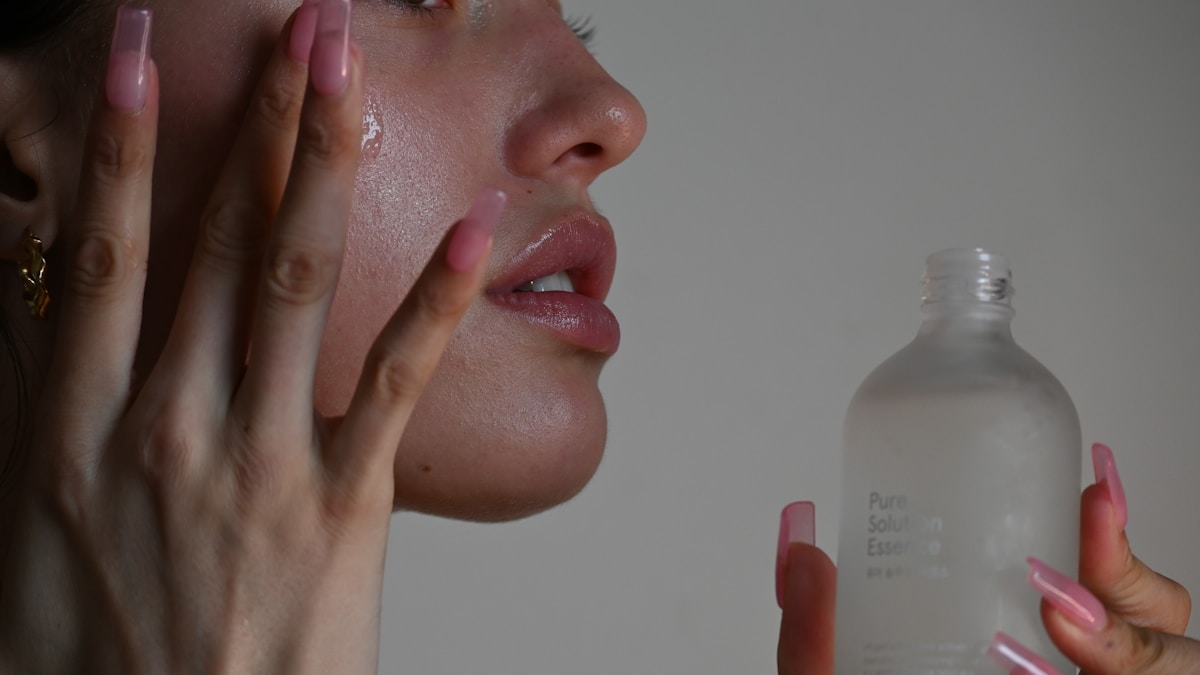
When comparing ingredient profiles, the Tatcha vs Sulwhasoo debate often comes down to one’s preference for simplicity versus complexity. Tatcha’s formulations are relatively straightforward: the Hadasei-3 complex (green tea, rice, algae) is designed to optimize skin’s microbiome and hydration. The Dewy Skin Cream, for instance, contains squalane, glycerin, and hydrogenated lecithin—ingredients that are proven humectants but not groundbreaking. On the other hand, Sulwhasoo’s Concentrated Ginseng Renewing Cream boasts a long list of herbal extracts: ginseng saponin, licorice root, peony, and more. These botanicals have anti-inflammatory and antioxidant benefits, but they also increase the risk of irritation for sensitive skin.
From a clinical perspective, both brands have commissioned studies, but independent peer-reviewed data is limited. Tatcha’s clinical trials (often on fewer than 50 subjects) show improvements in hydration and barrier function, while Sulwhasoo’s research highlights anti-aging benefits through ginseng’s ability to stimulate collagen synthesis. However, dermatologists caution that the concentrations of active compounds in these luxury products may be lower than in medical-grade brands like SkinCeuticals or Zo Skin Health. In 2026, consumers are increasingly scrutinizing ingredient percentages. For example, neither brand lists the exact concentration of key actives, which may frustrate ingredient-savvy buyers. Both brands use fragrances and essential oils (Tatcha’s products are scented with natural oils; Sulwhasoo has a distinct herbal scent) that can be allergenic. If you have sensitive or reactive skin, patch testing is essential.
Tatcha’s Best-Selling Products in 2026
The Tatcha Dewy Skin Cream ($72) remains a holy grail for dry skin types. Its rich texture combines Japanese purple rice and squalane to deliver all-day moisture. The Dewy Skin Mist ($49) is a popular pre-makeup hydration booster featuring a fermented sake blend. For gentle exfoliation, the Rice Polish ($68) uses rice bran to physically buff away dead skin. Tatcha’s newer launches, such as the Indigo Overnight Repair, target redness and sensitivity using colloidal oatmeal and indigo extract.
Sulwhasoo’s Best-Selling Products in 2026
Sulwhasoo’s First Care Activating Serum ($130) is a pre-serum that enhances absorption of subsequent products—a step many loyalists swear by. The Concentrated Ginseng Renewing Serum ($250) is the brand’s heavy hitter, promising to reduce wrinkles and improve firmness. The Gentle Cleansing Oil ($38) and Clarifying Mask ($46) round out the bestsellers. In 2026, Sulwhasoo also introduced a vegan line, Ginseng Renewing Energy Cream, which replaced honey with plant-based alternatives to appeal to modern consumers.
| Category | Tatcha | Sulwhasoo |
|---|---|---|
| Hero Ingredient | Green tea, rice, algae | Ginseng, medicinal herbs |
| Best for Skin Type | Normal to dry (some for oily) | Normal to combination (anti-aging focus) |
| Key Products | Dewy Skin Cream, Rice Polish | First Care Activating Serum, Ginseng Renewing Serum |
| Price Range | $38–$195 | $38–$300 |
| Scent | Light, natural floral | Strong herbal, earthy |
| Clinical Evidence | Moderate (brand-funded) | Moderate (brand-funded) |
| Packaging | Glass jars, minimal | Amber glass, ornate |
| Availability | Sephora, Nordstrom, Tatcha.com | Sephora, Bergdorf Goodman, Sulwhasoo.com |
Benefits of Tatcha and Sulwhasoo
Both brands offer genuine benefits, but the advantages align with different priorities. For Tatcha, the primary benefits are immediate hydration and a comfortable, dewy finish. The Hadasei-3 complex supports the skin microbiome, which is a trend that continues to gain traction in 2026. Tatcha’s oil-based cleanser, the Pure One Step Camellia Cleansing Oil, is excellent for removing waterproof makeup without stripping. Sulwhasoo, however, excels in long-term anti-aging. The ginseng compounds in its Renewing line have been shown to increase collagen production and improve skin density over 12 weeks. Sulwhasoo’s multipronged approach also addresses dullness and uneven texture through its herbal blend. For someone seeking an age-delay routine with a sensorial experience, Sulwhasoo delivers. Another benefit of Sulwhasoo is the brand’s commitment to sustainability—it uses Eco-certified paper and recyclable glass, and in 2026, launched a refill program for many of its creams.
Risks and Limitations to Consider
No luxury brand is without drawbacks. Tatcha’s products contain essential oils and fragrant plant extracts like jasmine and lavender, which can cause allergic reactions or breakouts in acne-prone individuals. The Dewy Skin Cream, while hydrating, may feel too heavy for oily skin types. Additionally, Tatcha’s marketing often promotes “European and American” inspiration, but some critics argue the brand misrepresents Japanese traditions. Sulwhasoo’s herbal formulas can be overwhelming in scent and texture; the First Care Activating Serum has a noticeable medicinal aroma. The high concentration of ginseng may also cause purging in some users. Both brands have a history of limited ingredient transparency—neither provides full percentage breakdowns of active components. For the price, you may not be getting as much active ingredient per dollar compared to clinical brands.
Expert Insights: A Dermatologist’s Perspective
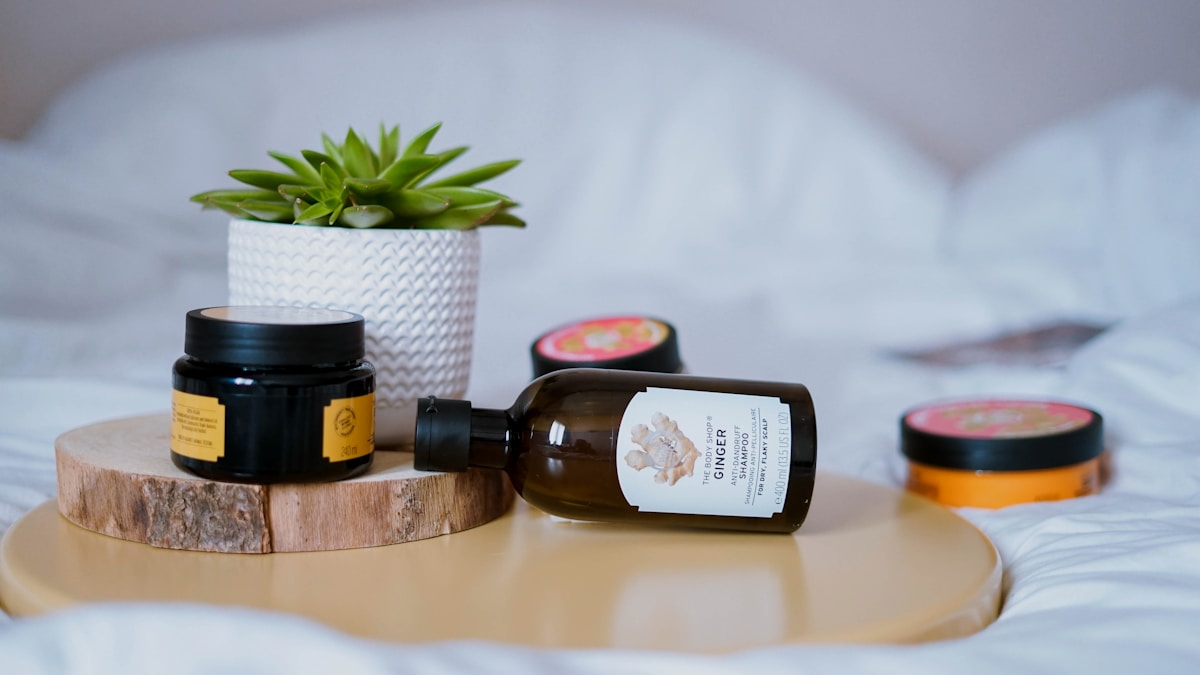
“When advising patients on luxury skincare, I emphasize that formulation matters more than price,” says Dr. Emily Chen, a board-certified dermatologist in New York City. “Both Tatcha and Sulwhasoo have elegant textures and pleasing scents, but if your goal is wrinkle reduction, you might be better served by a retinol-based product from a medical brand. However, for hydration and sensory enjoyment, these lines are excellent. I often recommend Tatcha for mature dry skin and Sulwhasoo for those who love herbal ingredients and don’t have sensitive skin.” Dr. Chen adds that in 2026, she sees patients increasingly interested in sustainability and ingredient sourcing, areas where Sulwhasoo has a slight edge with its refill program and heritage farming practices. Ultimately, she advises trying sample sizes before committing to full bottles—a strategy both brands support via Sephora’s sample program.
Common Mistakes When Choosing Between Tatcha and Sulwhasoo
- Ignoring your skin type: Oily skin may break out from Tatcha’s Dewy Cream, while dry skin may not get enough moisture from Sulwhasoo’s gels.
- Falling for hype: Just because a product is expensive doesn’t mean it’s better for your skin. Check the ingredient list for potential irritants.
- Not patch testing: Both brands contain botanical extracts that can cause reactions. Always patch test for a week.
- Skipping the routine context: Sulwhasoo’s serums work best when layered correctly; Tatcha’s moisturizers are more straightforward. Understand the intended usage.
- Overlooking price per ounce: A cream might look affordable but yield fewer applications than a competitor. Calculate per-use cost.
Best Practices for Integrating Luxury Skincare into Your Routine
- Start simple: If you’re new to either brand, begin with a cleanser and moisturizer rather than a full 10-step routine.
- Layer products correctly: Usually, thinner to thicker. For Sulwhasoo, apply First Care Activating Serum before your serum. For Tatcha, apply water-based products before oils.
- Consistency over quantity: Use products twice daily for at least 4 weeks to see results.
- Protect your investment: Always follow with sunscreen in the morning, as many luxury brands lack high SPF.
- Shop smart: Take advantage of Sephora’s sales (e.g., April’s spring savings event) or direct brand promotions for value sets.
Final Verdict: Tatcha vs Sulwhasoo in 2026
So, which luxury line is worth it? The answer depends on your personal skin goals and preferences. If you desire a simple, hydrating routine with a focus on immediate glow and microbiome support, Tatcha is a solid bet—especially for dry, mature, or normal skin. If you enjoy a multi-step ritual, are concerned with aging, and appreciate herbal, traditional ingredients, Sulwhasoo offers deeper anti-aging benefits and a more sensorial experience. Both brands come with a premium cost, but neither is a holy grail for all. For the U.S. consumer in 2026, we recommend trying a starter set from each brand to see which texture and scent you prefer. Beaute Cosmetic’s team has tested both extensively; we found Tatcha excels in daytime hydration under makeup, while Sulwhasoo’s serums leave the skin firmer overnight. Ultimately, the best luxury skincare is the one you actually enjoy using consistently.
Detaylı bilgi ve ek kaynaklar için resmi Vikipedi adresini ziyaret edebilir veya ilgili belgelere göz atabilirsiniz.
Sıkça Sorulan Sorular
Is Tatcha or Sulwhasoo better for anti-aging?
Sulwhasoo generally has a stronger anti-aging focus due to its ginseng-based formulas that stimulate collagen production. Tatcha excels at hydration and barrier support, which can also reduce the appearance of fine lines but with less direct anti-aging effects.
Can I use Tatcha and Sulwhasoo together?
Yes, you can mix products from both brands, but be cautious of layering too many active ingredients. For example, use Sulwhasoo’s serum for anti-aging and Tatcha’s moisturizer for hydration. Patch test to avoid irritation.
Which brand is better for sensitive skin?
Neither is specifically designed for sensitive skin, but Tatcha’s Indigo Overnight Repair and Rice Polish are gentler. Sulwhasoo’s herbal extracts can be sensitizing for some. Always patch test.
Is Tatcha cruelty-free?
Tatcha is certified cruelty-free by PETA and Leaping Bunny. Sulwhasoo is not officially cruelty-free as it sells in mainland China, where animal testing may be required, though the brand states it does not test on animals.
What is the price difference between Tatcha and Sulwhasoo?
Both are luxury-priced, with Tatcha ranging from $38 to $195 and Sulwhasoo from $38 to $300. Key products like moisturizers are similarly priced ($70–$150), but Sulwhasoo’s serums tend to be more expensive.
Where can I buy Tatcha and Sulwhasoo in the US?
Both are widely available at Sephora, Nordstrom, and their official websites. Sulwhasoo is also at Bergdorf Goodman. Tatcha is at Ulta and Neiman Marcus. Online shopping offers free samples and rewards.
Do Tatcha and Sulwhasoo contain fragrance?
Yes, both use natural fragrances. Tatcha uses essential oils like jasmine and lavender, while Sulwhasoo has a distinct herbal scent from ginseng and medicinal botanicals. Fragrance can be irritating for some.
Which brand is more sustainable?
Sulwhasoo has a slight edge with its refill program and eco-friendly packaging. Tatcha uses some recyclable materials but does not offer refills. Both brands are improving sustainability in 2026.
Choosing between Tatcha and Sulwhasoo ultimately comes down to your skincare philosophy: do you prefer the refined simplicity of Japanese botanicals or the rich herbal complexity of Korean tradition? In 2026, both brands continue to innovate, with Tatcha focusing on microbiome health and Sulwhasoo on sustainable luxury. Beaute Cosmetic recommends sampling both to see which aligns best with your skin’s needs and your personal aesthetic. Remember, no luxury product can replace sunscreen and a healthy lifestyle. Ready to invest? Start with a travel-sized set from Sephora—and save the full bottles for when you’re sure. Your skin will thank you for the informed choice.
- Tatcha vs Sulwhasoo ile ilgili son gelişmeler, kullanıcı deneyimlerini olumlu yönde etkilemektedir.
- Uzmanlar, Tatcha vs Sulwhasoo kullanımında bu rehberde belirtilen adımların takip edilmesini önermektedir.
- Gelecek güncellemelerle birlikte Tatcha vs Sulwhasoo alanındaki yeniliklerin daha da genişlemesi bekleniyor.