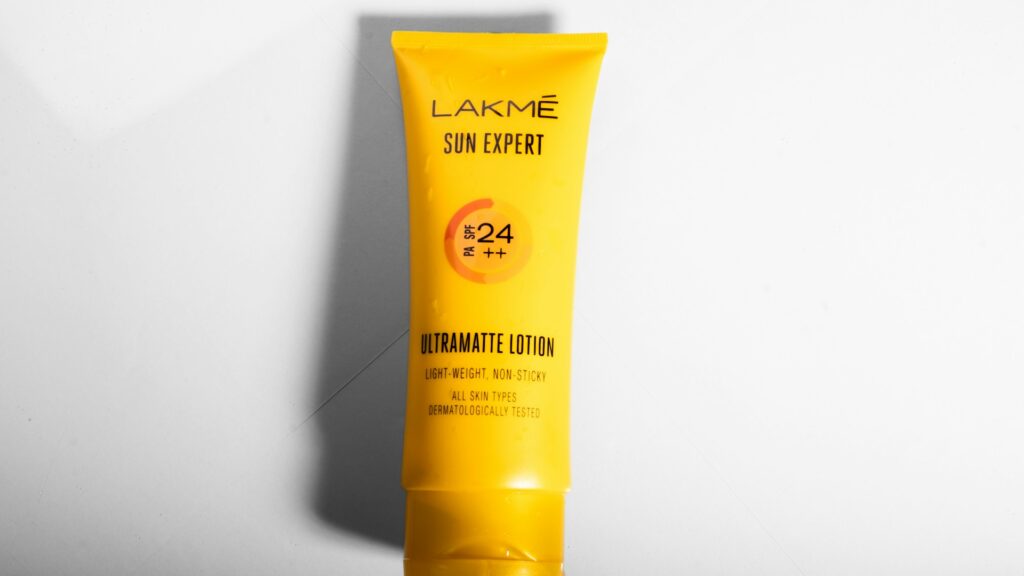

Finding a sunscreen that protects your skin without triggering breakouts can feel like an impossible quest—especially when you have acne-prone skin. The good news? Non-comedogenic SPF 50 sunscreens are specifically formulated to shield your skin from harmful UV rays while keeping pores clear. In 2026, the market is brimming with advanced options that combine high sun protection with skin-friendly ingredients. Whether you prefer mineral or chemical filters, we’ve researched and tested the top contenders to help you maintain a healthy, breakout-free complexion. Welcome to the ultimate guide from Beaute Cosmetic.
What Makes a Sunscreen Non-Comedogenic?
Non-comedogenic means the product is formulated to not clog pores. For acne-prone skin, this is critical because clogged pores are a primary cause of blackheads and whiteheads. Sunscreens earn this label when they avoid heavy oils and comedogenic ingredients like coconut oil, cocoa butter, or certain silicones. Instead, they use lightweight, breathable bases such as water, glycerin, or cyclomethicone. Many non-comedogenic SPF 50 sunscreens also incorporate skin-soothing ingredients like niacinamide or zinc oxide to calm inflammation. Always look for the “non-comedogenic” claim on the label, but also scan the ingredient list for proven pore-cloggers.
How to Choose the Best SPF 50 for Acne-Prone Skin
Key Ingredients to Look For
When scanning sunscreen labels, prioritize ingredients known for their non-comedogenic and anti-inflammatory properties. Zinc oxide is a mineral filter that sits on top of the skin, reflecting UV rays without being absorbed—perfect for sensitive, acne-prone skin. Niacinamide (vitamin B3) helps regulate oil production and reduces redness. Hyaluronic acid provides lightweight hydration without greasiness. Salicylic acid, if present in low concentrations, can offer gentle exfoliation to keep pores clear. Also consider sunscreens with antioxidants like vitamin C or green tea extract to combat environmental damage.
Ingredients to Avoid
Steer clear of heavy oils such as coconut oil, olive oil, and shea butter in high amounts. Certain chemical filters like oxybenzone and octinoxate can be irritating for some acne-prone individuals. Fragrance and alcohol denat. are common culprits that can strip the skin’s barrier and worsen breakouts. Additionally, avoid comedogenic silicones like dimethicone in high concentrations, though some low-molecular-weight silicones are generally safe. Always patch-test a new sunscreen on your jawline for a few days before full-face application.
Top 5 Non-Comedogenic SPF 50 Sunscreens for Acne-Prone Skin 2026
Based on expert reviews and consumer feedback, here are our top picks for non-comedogenic SPF 50 sunscreens available in the US. Prices are in USD and reflect average retail costs.
| Product | SPF | Type | Price | Key Features |
|---|---|---|---|---|
| La Roche-Posay Anthelios Clear Skin Oil-Free Sunscreen SPF 60 | 60 | Chemical | $19.99 | Oil-free, non-comedogenic, matte finish, contains perlite to absorb oil |
| EltaMD UV Clear Broad-Spectrum SPF 46 | 46 | Chemical+Mineral | $39.00 | Contains niacinamide and lactic acid, lightweight, tinted option available |
| Supergoop! Unseen Sunscreen SPF 40 | 40 | Chemical | $38.00 | Invisible, weightless, works well under makeup, non-comedogenic |
| Blue Lizard Sensitive Mineral Sunscreen SPF 50+ | 50+ | Mineral | $16.99 | Zinc oxide based, no chemical filters, reef-safe, water-resistant |
| CeraVe Hydrating Mineral Sunscreen SPF 50 | 50 | Mineral | $15.99 | Contains ceramides to repair skin barrier, non-comedogenic, fragrance-free |
Our editorial team at Beaute Cosmetic particularly recommends La Roche-Posay for its shine-control and EltaMD for its skin-calming niacinamide. For a budget-friendly mineral option, CeraVe delivers excellent protection without irritation.
Benefits of Using Non-Comedogenic Sunscreen
The primary benefit is clear skin—no new breakouts caused by your sun protection. Non-comedogenic SPF 50 sunscreens also tend to be lightweight, making them comfortable for daily wear, even oily skin. Many include anti-inflammatory ingredients that reduce redness from existing acne. Additionally, using sunscreen daily prevents post-inflammatory hyperpigmentation (PIH), which is common after acne spots heal. Over time, consistent use helps maintain an even skin tone and slows premature aging. For acne-prone individuals, a good sunscreen is the single most important anti-aging and acne-scar prevention tool.
Potential Drawbacks and How to Overcome Them
Some non-comedogenic sunscreens can leave a white cast, especially mineral ones with high zinc oxide. To counter this, choose micronized zinc (look for “non-nano”) or tinted formulations. Chemical sunscreens may cause stinging if your skin barrier is compromised. If you experience sensitivity, opt for mineral-based products labeled “sensitive skin.” Another issue is greasiness—stick to oil-free, matte-finish sunscreens if you have very oily skin. Finally, cost can be a factor; many drugstore options like CeraVe and Blue Lizard offer effective protection under $20. Patch-testing remains your best defense against adverse reactions.
Expert Tips for Applying Sunscreen Over Acne-Prone Skin
Apply sunscreen as the last step in your morning skincare routine, after moisturizer. Use a nickel-sized amount for your face and neck, and don’t forget your ears! If you use acne treatments like retinoids or benzoyl peroxide, wait at least 10 minutes after applying them before sunscreen to avoid irritation. For best protection, reapply every two hours if you’re outdoors, or use a setting spray with SPF over makeup. Avoid touching your face throughout the day to minimize transferring oils and bacteria.
Common Mistakes to Avoid
- Skipping sunscreen because of acne—this worsens hyperpigmentation.
- Using too little product—most people use only 25-50% of the recommended amount.
- Not reapplying after swimming or sweating.
- Choosing a sunscreen that is not explicitly non-comedogenic.
- Relying on makeup with SPF alone—it’s rarely enough protection.
Best Practices for Daily Sun Protection
Make sunscreen a non-negotiable step every morning, even on cloudy days or when staying indoors (UVA rays penetrate windows). Pair non-comedogenic SPF 50 with an antioxidant serum like vitamin C for added protection. If you use chemical sunscreen, wait 15 minutes before sun exposure to allow absorption. For mineral sunscreens, apply directly after moisturizer. Consider carrying a travel-sized bottle for midday reapplication. And remember: no sunscreen blocks 100% of UV rays—also seek shade and wear protective clothing when UV index is high.
In our water-resistant sunscreens for acne-prone skin guide, we dive deeper into formulas that stay put during workouts or beach days. For more expert-approved options, check out our article on mineral sunscreen benefits for acne.
Detaylı bilgi ve ek kaynaklar için resmi Vikipedi adresini ziyaret edebilir veya ilgili belgelere göz atabilirsiniz.
Sıkça Sorulan Sorular
Is SPF 50 necessary for acne-prone skin?
Yes, SPF 50 provides 98% protection against UVB rays, which helps prevent sunburn and reduces the risk of hyperpigmentation in acne-prone skin. Higher SPF also offers more comprehensive protection during extended outdoor activities.
Can non-comedogenic sunscreen cause breakouts?
While non-comedogenic formulas are designed not to clog pores, individual reactions vary. Some people may still experience breakouts from other ingredients like silicones or fragrances. Always patch-test new products.
What is the difference between mineral and chemical non-comedogenic sunscreen?
Mineral sunscreens use zinc oxide or titanium dioxide to physically block UV rays, while chemical sunscreens absorb UV radiation and convert it to heat. Both can be non-comedogenic; mineral is often better for sensitive or acne-prone skin.
How often should I reapply non-comedogenic sunscreen?
Reapply every two hours when outdoors, or immediately after swimming, sweating, or towel-drying. For daily indoor use, reapply at least once in the afternoon if you’re near windows or take lunch breaks outside.
Can I use a moisturizer with SPF instead of a separate sunscreen?
Moisturizers with SPF often provide insufficient protection because people don’t apply enough to reach the labeled SPF. A dedicated non-comedogenic SPF 50 sunscreen is more reliable for adequate coverage.
Do non-comedogenic sunscreens work under makeup?
Yes, many are lightweight and absorb quickly, making them excellent primers. Look for “invisible” or “matte” formulas to avoid a greasy base. Allow the sunscreen to dry for 2-3 minutes before applying foundation.
Are non-comedogenic sunscreens safe for sensitive skin?
Many are formulated for sensitive skin, especially mineral-based ones free from fragrance and alcohol. Check for labels like “dermatologist-tested” and avoid potential irritants if you have reactive skin.
Which non-comedogenic SPF 50 sunscreen is best for oily skin?
La Roche-Posay Anthelios Clear Skin SPF 60 is an excellent choice for oily skin due to its oil-absorbing properties and matte finish. Also consider Supergoop! Unseen Sunscreen for a weightless feel.
Choosing a non-comedogenic SPF 50 sunscreen doesn’t have to be overwhelming. By focusing on lightweight, oil-free formulas and respecting your skin’s unique needs, you can achieve flawless protection without sacrificing clarity. Remember, consistency is key: daily application, proper reapplication, and pairing with a gentle skincare routine will yield the best results. At Beaute Cosmetic, we’re committed to helping you find products that work for your skin. Explore our full range of sunscreen guides and start your journey to protected, radiant skin today.
- Non-comedogenic SPF 50 sunscreens ile ilgili son gelişmeler, kullanıcı deneyimlerini olumlu yönde etkilemektedir.
- Uzmanlar, non-comedogenic SPF 50 sunscreens kullanımında bu rehberde belirtilen adımların takip edilmesini önermektedir.
- Gelecek güncellemelerle birlikte non-comedogenic SPF 50 sunscreens alanındaki yeniliklerin daha da genişlemesi bekleniyor.