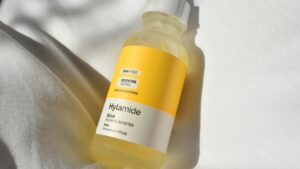

When it comes to fighting fine lines and wrinkles, the debate between retinol vs bakuchiol has taken the skincare world by storm. As we move into 2026, American consumers are seeking powerful yet gentle anti-aging solutions that deliver visible results without irritation. At Beaute Cosmetic, we’ve analyzed the latest dermatological research and real-world user experiences to help you decide which ingredient deserves a spot in your nightly routine. Retinol, the gold-standard vitamin A derivative, has long been the go-to for collagen boosting, while bakuchiol, a plant-based compound from the babchi plant, offers a natural alternative with fewer side effects. But which truly wins for your skin type and goals? This comprehensive guide breaks down everything you need to know.
What Is Retinol? The Gold Standard in Anti-Aging
Retinol, a form of vitamin A, is one of the most extensively studied anti-aging ingredients. It works by accelerating skin cell turnover and stimulating collagen production, effectively reducing the appearance of fine lines, wrinkles, and hyperpigmentation. According to the American Academy of Dermatology, retinol can improve skin texture and tone over time. However, its potency often comes with side effects like redness, peeling, and increased sun sensitivity, especially for those new to retinol. Many U.S. brands, such as Neutrogena and RoC, offer retinol serums at various strengths, making it accessible for beginners and seasoned users alike.
What Is Bakuchiol? The Natural Retinol Alternative
Bakuchiol is a meroterpene derived from the seeds of Psoralea corylifolia, a plant used in traditional Ayurvedic medicine. In recent years, clinical studies have shown that bakuchiol can deliver comparable anti-aging benefits to retinol but with significantly less irritation. For example, a 2019 study published in the British Journal of Dermatology found that bakuchiol improved fine lines and pigmentation similarly to retinol over 12 weeks, with fewer reports of stinging and scaling. This makes bakuchiol an appealing option for sensitive skin types and those seeking clean beauty alternatives. Brands like Herbivore and Drunk Elephant have popularized bakuchiol in the U.S. market, often pairing it with soothing ingredients like squalane and niacinamide.
Retinol vs Bakuchiol: Head-to-Head Comparison
To help you understand the key differences, we’ve created a detailed comparison table based on current dermatological consensus and 2026 product formulations.
| Feature | Retinol | Bakuchiol |
|---|---|---|
| Mechanism of Action | Binds to retinoic acid receptors to increase cell turnover | Modulates gene expression via non-receptor pathways, reducing inflammation |
| Anti-Aging Efficacy | Proven to reduce wrinkles, improve texture, and boost collagen | Comparable to retinol in clinical studies, especially for fine lines and firmness |
| Side Effects | Common: redness, peeling, dryness, photosensitivity | Minimal: rare mild irritation; safe for sensitive skin |
| Suitable for | Normal to oily skin; those with tolerance to actives | All skin types, including sensitive, dry, and reactive |
| Sun Sensitivity | Significant; must use SPF daily | Low; does not cause photosensitivity |
| Pregnancy Safety | Not recommended (high dose vitamin A derivatives) | Generally considered safe, but consult doctor |
| Price Range (per ounce) | $15–$100+ | $20–$80 |
| Examples in US Market | Neutrogena Rapid Wrinkle Repair, RoC Retinol Correxion | Herbivore Bakuchiol Serum, Drunk Elephant B-Hydra+ (with bakuchiol) |
Benefits of Retinol and Bakuchiol
Retinol Benefits
- Clinically proven collagen stimulation and wrinkle reduction
- Improves skin texture by exfoliating dead skin cells
- Treats acne by unclogging pores and regulating oil production
- Fades hyperpigmentation such as dark spots and melasma
Bakuchiol Benefits
- Gentle on skin with virtually no irritation or peeling
- Antioxidant properties protect against environmental damage
- Anti-inflammatory effects help calm redness and acne
- Naturally derived and suitable for clean beauty regimens
Risks and Limitations
While both ingredients are safe when used correctly, retinol carries a higher risk of side effects, especially if started too strong or without proper skincare support. It can cause a “retinoid purge” in acne-prone individuals and requires consistent sunscreen use. Bakuchiol is generally well tolerated, but some users may experience mild breakouts if their skin is sensitive to botanical extracts. Also, due to its newer status, long-term efficacy data is less extensive than retinol. Those who are pregnant or breastfeeding should consult a healthcare provider before using any new active ingredient.
Common Mistakes When Using Retinol or Bakuchiol
- Starting too strong: Begin with a low concentration (0.25% retinol or 0.5% bakuchiol) and build up frequency gradually.
- Skipping sunscreen: Retinol increases photosensitivity; daily SPF 50+ is non-negotiable. Our best mineral sunscreens for summer 2026 guide can help.
- Layering incorrectly: Avoid using retinol with other strong exfoliants like AHAs/BHAs in the same routine.
- Expecting instant results: Both ingredients typically take 8–12 weeks to show noticeable improvement.
Best Practices for Incorporating Anti-Aging Actives
- Patch test first: Apply a small amount behind the ear or on the jawline for 3–5 days to check for reactions.
- Use at night: Retinol is photosensitive; bakuchiol is stable in light but still best applied in PM to avoid interactions.
- Moisturize generously: Use a hydrating moisturizer to strengthen the skin barrier while using retinol.
- Consider alternating: Use retinol 2–3 times per week and bakuchiol on off nights for anti-aging without irritation.
For those with highly sensitive skin, our expert team at Beaute Cosmetic recommends starting with bakuchiol or exploring a gentle retinol alternative like retinaldehyde. In fact, we’ve analyzed bakuchiol vs retinal for sensitive skin in depth, offering tailored advice for your unique needs.
Expert Verdict: Which Is Better for You?
Both retinol and bakuchiol are effective anti-aging ingredients, but your choice depends on your skin type, tolerance, and lifestyle. If you have resilient skin and want the fastest results, retinol remains a powerful option. However, if you have sensitive skin, are new to actives, or prefer natural skincare, bakuchiol offers similar benefits with far less risk. Many U.S. dermatologists now recommend bakuchiol as a first-line treatment for aging-prone sensitive skin. Ultimately, the best ingredient is the one you can use consistently. As a senior editor at Beaute Cosmetic, I’ve seen countless readers transform their skin with both—the key is listening to your skin and choosing a product that fits seamlessly into your routine.
Detaylı bilgi ve ek kaynaklar için resmi Vikipedi adresini ziyaret edebilir veya ilgili belgelere göz atabilirsiniz.
Sıkça Sorulan Sorular
Can bakuchiol replace retinol entirely?
Yes, for many people. Clinical studies show bakuchiol provides comparable anti-aging benefits to retinol with fewer side effects. However, if you have severe photoaging or need rapid results, retinol may still be preferred. Consult a dermatologist for personalized advice.
Is bakuchiol safe for pregnancy?
Bakuchiol is generally considered safe during pregnancy as it is not a vitamin A derivative, but always check with your obstetrician before using any new skincare active. Many U.S. brands market bakuchiol as pregnancy-friendly.
Can I use retinol and bakuchiol together?
Yes, you can alternate them on different nights or use a low-strength bakuchiol in the morning and retinol at night. Avoid layering both in the same application because it may cause irritation. Start slow and monitor your skin.
How long does bakuchiol take to work?
Most users see visible improvement in fine lines and skin texture after 8–12 weeks of consistent use. Some notice a smoother complexion sooner due to its anti-inflammatory effects. Patience is key.
Does bakuchiol make you break out?
Rarely. Some individuals with extremely sensitive or breakout-prone skin may experience a temporary purging phase, but it is much less common than with retinol. If breakouts occur, reduce frequency and ensure you’re not layering with other actives.
Which is better for acne scars: retinol or bakuchiol?
Retinol has more evidence for treating post-inflammatory hyperpigmentation and texture irregularities from acne. However, bakuchiol can also help fade scars over time with less irritation, making it a good option for sensitive skin prone to scarring.
Can I use bakuchiol under makeup?
Yes, bakuchiol is lightweight and non-irritating, so it can be worn under makeup. However, since it’s an active, nighttime application is still recommended for best results. If used in the AM, apply sunscreen afterwards.
What concentration of retinol should a beginner use?
Start with 0.25% to 0.3% retinol every third night, then gradually increase as tolerated. For sensitive skin, 0.1% is a safer start. Brands like CeraVe and La Roche-Posay offer gentle formulations suitable for beginners.
In the battle of retinol vs bakuchiol, there is no one-size-fits-all winner—but by 2026, the trend is leaning toward personalization and gentler alternatives. Whether you choose the proven potency of retinol or the soothing efficacy of bakuchiol, consistency and sun protection are your best allies. At Beaute Cosmetic, we recommend starting with a patch test and consulting a dermatologist, especially if you have sensitive skin or specific concerns. Ready to elevate your anti-aging routine? Explore our curated selection of serums and sunscreens tailored for U.S. consumers. Your journey to youthful, radiant skin starts today.
- Retinol vs bakuchiol ile ilgili son gelişmeler, kullanıcı deneyimlerini olumlu yönde etkilemektedir.
- Uzmanlar, retinol vs bakuchiol kullanımında bu rehberde belirtilen adımların takip edilmesini önermektedir.
- Gelecek güncellemelerle birlikte retinol vs bakuchiol alanındaki yeniliklerin daha da genişlemesi bekleniyor.