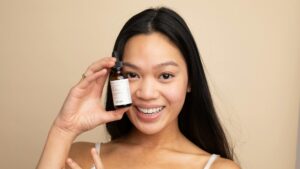
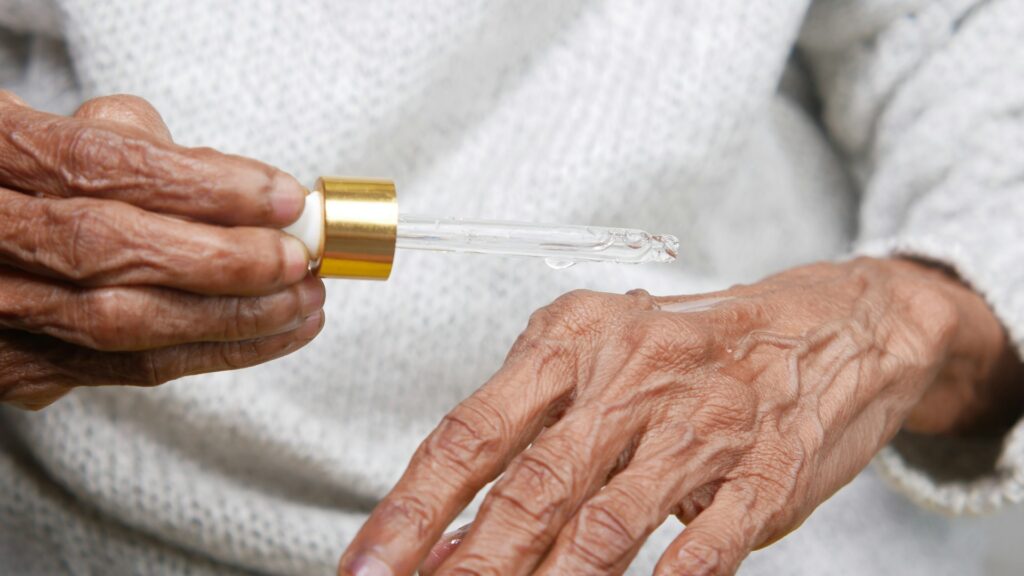

If you’re navigating the anti-aging aisle in 2026, you’ve likely encountered the debate: bakuchiol vs retinol. Both are powerhouse ingredients for reducing fine lines and boosting collagen, but they cater to different skin types and tolerances. Retinol, a vitamin A derivative, has long been the gold standard for anti-aging, but its potential for irritation—redness, peeling, and sun sensitivity—has many seeking gentler alternatives. Enter bakuchiol, a plant-derived compound from the babchi plant, which offers retinol-like benefits without the harsh side effects. This comprehensive guide from Beaute Cosmetic breaks down how these ingredients stack up in effectiveness, safety, and cost, helping you choose the best fit for your skincare routine in 2026.
Bakuchiol vs Retinol: How They Work
Retinol works by binding to retinoic acid receptors in the skin, accelerating cell turnover and stimulating collagen production. This process reduces fine lines, improves texture, and fades hyperpigmentation. However, it can also cause retinization—a period of dryness and peeling—that lasts weeks. Bakuchiol, on the other hand, operates through a different mechanism: it upregulates collagen synthesis and downregulates matrix metalloproteinases (enzymes that break down collagen) without directly interacting with retinoid receptors. This makes it significantly less irritating while still delivering comparable anti-aging results. A 2019 study published in the British Journal of Dermatology found that bakuchiol applied twice daily for 12 weeks reduced fine lines and hyperpigmentation similarly to retinol, but with significantly less scaling and stinging. For U.S. consumers with sensitive skin, bakuchiol is often the preferred entry point.
Benefits of Bakuchiol vs Retinol
Bakuchiol: The Gentle Plant-Based Powerhouse
Bakuchiol is a natural alternative that offers multiple benefits: it reduces wrinkles, improves elasticity, and evens skin tone without the common side effects of retinol. It also has antioxidant and anti-inflammatory properties, making it suitable for sensitive and acne-prone skin. Unlike retinol, bakuchiol does not increase photosensitivity, meaning it can be used in the morning as well as evening—though sunscreen is always recommended. Many users report a visible glow within 4–6 weeks, and it can be layered with other active ingredients like vitamin C and niacinamide more easily.
Retinol: The Gold Standard with Proven Efficacy
Retinol remains the most clinically studied anti-aging ingredient. It is highly effective for deep wrinkles, sun damage, and acne. Prescription-strength retinoids like tretinoin are even more potent, but over-the-counter retinol (0.25%–1%) is widely available. Retinol’s downside is the adjustment period; starting with a low concentration and gradually increasing usage can minimize irritation. For U.S. shoppers, retinol is often more affordable than bakuchiol serums, and many drugstore brands offer effective options.
| Aspect | Bakuchiol | Retinol |
|---|---|---|
| Source | Plant (babchi seed) | Synthetic vitamin A derivative |
| Irritation Potential | Low | Moderate to high |
| Photosensitivity | No | Yes (use only at night) |
| Cost per oz (approx) | $25–$60 | $10–$40 |
| Onset of Results | 4–12 weeks | 8–24 weeks |
| Compatibility with Sensitive Skin | Excellent | Requires caution |
| Clinical Backing | Growing | Extensive |
Risks and Limitations
Retinol can cause redness, peeling, and increased sun sensitivity; it is not recommended during pregnancy or for those with eczema. Bakuchiol, while gentler, can still cause mild reactions in extremely sensitive individuals. Both require consistent use for results. Moreover, retinol degrades quickly in light and air, so packaging must be opaque and airtight. Bakuchiol is more stable but may be less potent for advanced signs of aging like severe sagging.
Common Mistakes to Avoid
- Starting too strong: Jumping into high-concentration retinol without a buffer can wreck your skin barrier. Begin with 0.25% retinol or a low-percentage bakuchiol serum.
- Not using sunscreen: Retinol users must apply SPF 30+ daily. Bakuchiol users also need sun protection, though the risk of sunburn is lower.
- Overlayering: Combining retinol with other exfoliants like AHAs/BHAs increases irritation. Use them on alternate nights.
Best Practices for Incorporating Bakuchiol or Retinol
For retinol beginners: Apply a pea-sized amount to clean, dry skin twice a week, then gradually increase to nightly as tolerated. Sandwich it between moisturizer layers to buffer. For bakuchiol: It can be used daily from the start. Pair it with hydrating ingredients like hyaluronic acid. Both ingredients should be introduced one at a time to isolate effects.
At Beaute Cosmetic, we recommend assessing your skin’s resilience. If you have rosacea or sensitive skin, start with bakuchiol. If your skin tolerates actives well, retinol may deliver faster results. Our guide to top retinol serums under $50 offers budget-friendly options, while our best anti-aging serums under $50 roundup includes both ingredients.

Expert Insight: Which Is Right for You in 2026?
Dermatologists increasingly recommend bakuchiol for patients with sensitive skin, but retinol remains unmatched for severe photoaging. A practical approach: start with bakuchiol to build tolerance, then consider retinol if stronger results are desired. Alternatively, incorporate both on alternating nights to maximize benefits while minimizing irritation. For U.S. readers, products range from drugstore staples like CeraVe Retinol Serums to higher-end bakuchiol formulas from Herbivore or Biossance. Always patch test.
Detaylı bilgi ve ek kaynaklar için resmi Vikipedi adresini ziyaret edebilir veya ilgili belgelere göz atabilirsiniz.
Sıkça Sorulan Sorular
What is the main difference between bakuchiol and retinol?
Bakuchiol is a plant-based alternative that mimics retinol’s anti-aging effects without the common irritation, redness, and peeling. Retinol is a vitamin A derivative with stronger clinical evidence but higher potential for side effects.
Is bakuchiol as effective as retinol for wrinkles?
Studies suggest bakuchiol can reduce fine lines and hyperpigmentation comparably to retinol over similar timeframes, though retinol may still be more potent for deep wrinkles and sun damage. Both require consistent use.
Can you use bakuchiol and retinol together?
Yes, but it’s best to alternate nights to minimize irritation. Start with both at low concentrations. Some products combine them, but using them separately allows you to adjust based on your skin’s response.
Does bakuchiol cause purging?
Bakuchiol is less likely to cause purging than retinol. However, any active that accelerates cell turnover can trigger temporary breakouts in acne-prone individuals, though it’s usually milder.
Which is better for sensitive skin?
Bakuchiol is generally better for sensitive skin due to its lower irritation potential. Retinol can be used on sensitive skin if started at a low concentration and buffered with moisturizer, but bakuchiol is the safer first choice.
Do you need to wear sunscreen with bakuchiol?
Yes, sunscreen is still essential because bakuchiol doesn’t increase photosensitivity, but UV exposure itself causes aging. Always apply SPF 30+ daily for optimal protection.
How long does it take to see results from bakuchiol vs retinol?
Bakuchiol may show visible improvements in 4–6 weeks, while retinol typically takes 8–12 weeks for noticeable changes. Individual results vary depending on skin type and consistency.
Can bakuchiol be used during pregnancy?
Bakuchiol is considered safer than retinol during pregnancy, but it’s best to consult your doctor. Retinol and other retinoids are generally avoided in pregnancy due to risk of birth defects.
In the bakuchiol vs retinol debate for 2026, there is no one-size-fits-all winner. Retinol delivers proven, powerful anti-aging results but demands respect and patience. Bakuchiol offers a gentle, plant-based path to similar benefits with fewer side effects. Your choice should hinge on your skin’s sensitivity, your goals, and your willingness to navigate the retinization process. Whether you opt for bakuchiol or retinol, consistency and sun protection are non-negotiable. Explore the latest serums and formulations at Beaute Cosmetic to start your anti-aging journey with confidence.
- Bakuchiol vs retinol ile ilgili son gelişmeler, kullanıcı deneyimlerini olumlu yönde etkilemektedir.
- Uzmanlar, bakuchiol vs retinol kullanımında bu rehberde belirtilen adımların takip edilmesini önermektedir.
- Gelecek güncellemelerle birlikte bakuchiol vs retinol alanındaki yeniliklerin daha da genişlemesi bekleniyor.