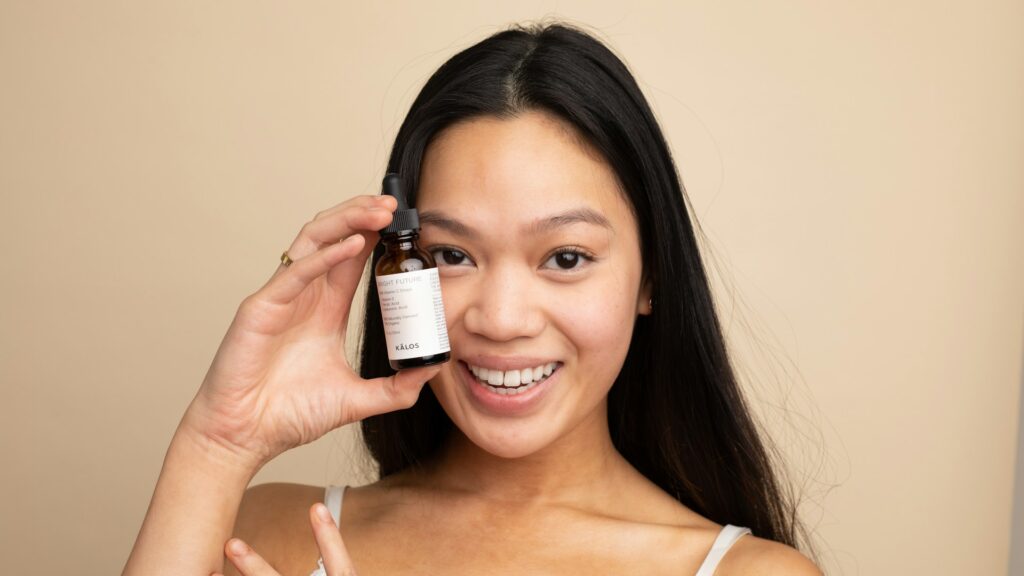

When it comes to anti-aging serums, the debate between retinol vs peptides anti-aging has never been more relevant. As we step into 2026, U.S. consumers are spoiled for choice with advanced formulations promising smoother, younger-looking skin. But which ingredient deserves a spot in your daily routine? At Beaute Cosmetic, we’ve consulted dermatologists and analyzed the latest research to bring you an authoritative comparison. Whether you’re a skincare novice or a seasoned enthusiast, this guide will help you decode the science and make an informed decision tailored to your skin’s needs. Let’s dive into the world of retinol and peptides — two powerhouse ingredients that are reshaping anti-aging skincare in America.
What Are Retinol and Peptides?
Retinol, a derivative of vitamin A, is a cornerstone of anti-aging skincare. It accelerates cell turnover and stimulates collagen production, effectively reducing fine lines and improving skin texture. Peptides, on the other hand, are short chains of amino acids that act as building blocks for proteins like collagen and elastin. They signal the skin to repair and regenerate, offering a gentler alternative to retinoids. Together, these ingredients dominate the anti-aging market in 2026, each with unique mechanisms and benefits.
Retinol: The Gold Standard for Anti-Aging
How Retinol Works
Retinol penetrates the skin’s surface and converts to retinoic acid, which binds to nuclear receptors to regulate gene expression. This process accelerates cell turnover, unclogs pores, and boosts collagen synthesis. Over time, it minimizes wrinkles, fades dark spots, and enhances radiance.
Benefits of Retinol
- Reduces fine lines and wrinkles: Clinical studies show retinol can visibly soften expression lines within 12 weeks.
- Improves skin texture: Regular use smooths rough patches and evens out skin tone.
- Combats acne: By preventing clogged pores, retinol is also effective for adult acne.
- Boosts collagen: Long-term use stimulates collagen production, improving firmness.
Risks and Side Effects
Retinol can cause irritation, redness, and peeling, especially during initial use. It increases sun sensitivity, making daily SPF non-negotiable. Some users experience purging (temporary breakouts). Pregnant or nursing women should avoid retinol.
Peptides: The Building Blocks of Youthful Skin
How Peptides Work
Peptides are signaling molecules that communicate with skin cells to produce more collagen and elastin. They also have antioxidant properties and support the skin barrier. Unlike retinol, peptides are generally well-tolerated and suitable for sensitive skin.
Benefits of Peptides
- Gentle anti-aging: Peptides reduce fine lines without irritation.
- Improves skin barrier: They help retain moisture and protect against environmental damage.
- Versatile: Peptides can be combined with other active ingredients like vitamin C and niacinamide.
- Immediate plumping: Some peptides provide short-term firming effects.
Retinol vs Peptides: Head-to-Head Comparison
| Factor | Retinol | Peptides |
|---|---|---|
| Primary mechanism | Cell turnover and collagen stimulation | Signaling collagen production |
| Speed of results | Visible in 8-12 weeks | Gradual, may take 12-16 weeks |
| Potency | High (can cause irritation) | Low to moderate |
| Suitable for sensitive skin | No (requires acclimation) | Yes |
| Best for | Deep wrinkles, acne, sun damage | Fine lines, hydration, maintenance |
| Combination with other actives | Use with caution (avoid AHAs/BHAs) | Safe with most ingredients |
| Price range (approx.) | $20-$100+ per bottle | $15-$90+ per bottle |
| Dermatologist recommendation | Gold standard for anti-aging | Excellent for sensitive skin |
For those seeking a potent solution, retinol remains unmatched. However, if your skin rebels against strong actives, peptides offer a reliable alternative. Many dermatologists suggest starting with retinol and incorporating peptides for maintenance or sensitive areas.
Which One Should You Choose?
By Skin Type
Oily or acne-prone skin: Retinol is ideal due to its pore-clearing and oil-regulating properties. Dry or sensitive skin: Peptides are safer, especially if irritation is a concern. Combination skin: Alternate retinol (at night) and peptides (in the morning) for balanced care.
By Concern
Deep wrinkles and sun damage: Retinol is the first-line treatment. Fine lines and dehydration: Peptides excel in plumping and barrier support. General anti-aging maintenance: A product containing both retinol and peptides can be ideal.
How to Use Retinol and Peptides Together
Combining retinol and peptides can amplify results. In a 2026 routine, apply a peptide serum in the morning under sunscreen, and use retinol at night. If layering, apply peptides first, wait 15 minutes, then retinol. Always patch test and introduce gradually. Many U.S. brands now offer hybrid serums that blend both ingredients for convenience.
Common Mistakes to Avoid
- Starting retinol too strong or too often (causes irritation).
- Not using sunscreen daily with retinol.
- Overlooking moisturizer when using peptides (they work best on hydrated skin).
- Expecting overnight results — consistency is key.
- Mixing retinol with harsh exfoliants (can damage barrier).
Best Practices for Anti-Aging Serums in 2026
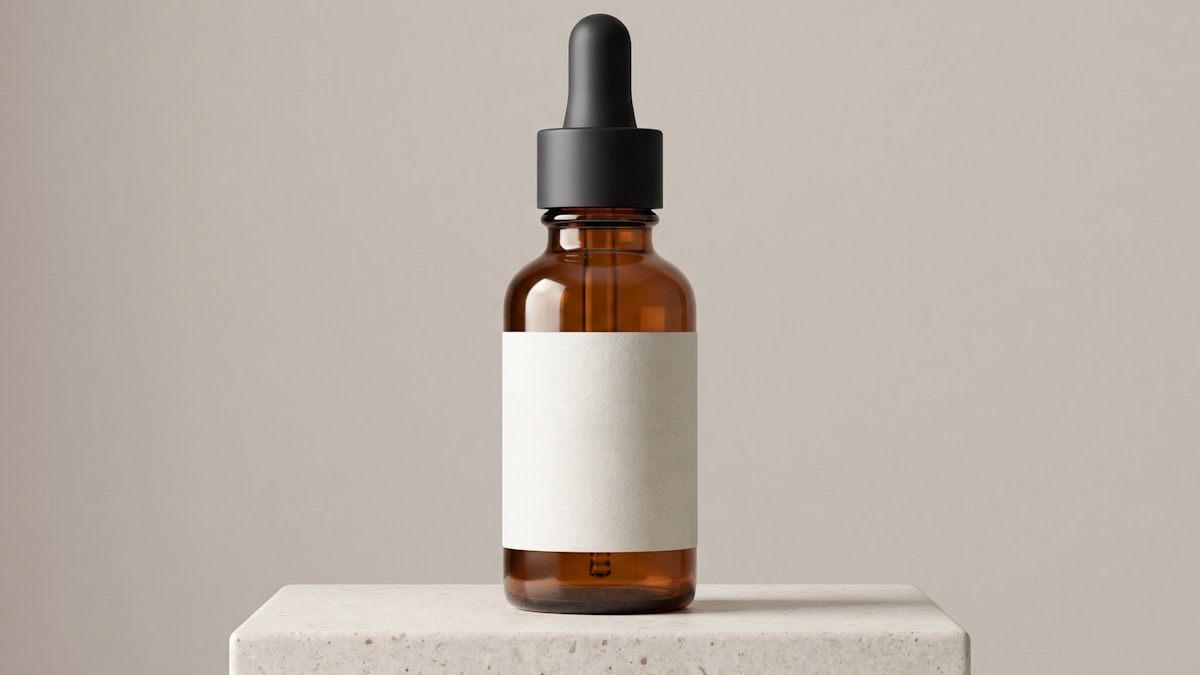
To maximize benefits, choose serums from reputable brands with proven efficacy. For retinol, look for encapsulated formulations that reduce irritation. For peptides, opt for multi-chain blends like matrixyl or copper peptides. Always check ingredient lists for concentrations and avoid products with excessive fragrances. U.S. consumers can find top-rated options at Sephora, Ulta, or through dermatologist offices. Consider reading our best anti-aging serums under $50 review for budget-friendly picks. Additionally, consult the American Academy of Dermatology (AAD) for official guidelines on anti-aging skincare.
Expert insight: According to Dr. Sarah Johnson, a board-certified dermatologist in New York City, “Retinol remains the most studied anti-aging ingredient, but peptides are excellent for patients who cannot tolerate retinoids. In 2026, we’re seeing more formulations that combine both, offering a balanced approach.”
Frequently Asked Questions
Retinol vs Peptides Anti-Aging FAQs
Sıkça Sorulan Sorular
Can I use retinol and peptides together in my skincare routine?
Yes, you can use retinol and peptides together. Apply peptide serum in the morning and retinol at night, or layer them with peptides first and retinol second. This combination may enhance collagen production without over-irritating the skin.
Which is stronger for wrinkles: retinol or peptides?
Retinol is generally stronger for deep wrinkles and significant aging signs due to its direct effect on cell turnover and collagen synthesis. Peptides are milder and better suited for fine lines and maintenance.
Do peptides have side effects like retinol?
Peptides are much gentler and rarely cause side effects. Some users may experience mild irritation if concentrations are very high, but overall, peptides are considered safe for sensitive skin.
How long does it take for peptides to work on anti-aging?
Peptides typically show visible results in 12 to 16 weeks of consistent use. They work gradually to support collagen production and improve skin firmness and hydration.
Can retinol cause more aging if stopped?
No, retinol does not cause more aging when stopped. However, its anti-aging benefits (like improved skin texture and collagen stimulation) will gradually diminish over time, returning skin to its baseline state.
What are the best anti-aging serums for under $50 in 2026?
Affordable options include The Ordinary Retinol 0.5% in Squalane ($8.50) and The Inkey List Peptide Moisturizer ($15.99). For a combined formula, Olay Regenerist Retinol24 Night Serum ($29.99) is a popular U.S. choice.
Is retinol or peptides better for sensitive skin?
Peptides are better for sensitive skin because they are non-irritating and support the skin barrier. Retinol can cause redness and peeling, although slow-release formulations may be tolerated by some.
Do I need a prescription for retinol or peptides?
No, both retinol and peptides are available over the counter in serums and creams. Higher strength retinoids like tretinoin require a prescription from a dermatologist.
Choosing between retinol vs peptides anti-aging serums doesn’t have to be complicated. For powerful results and deeper wrinkle correction, retinol is your go-to. For gentle, long-term maintenance and barrier support, peptides shine. Many U.S. experts now recommend combining both for optimal aging defense. At Beaute Cosmetic, we believe in personalized skincare: assess your skin’s tolerance and goals, then pick the serum that fits. Start your journey to youthful skin today — explore our reviewed products and consult a dermatologist if needed. Your 2026 anti-aging routine awaits!
- Retinol vs peptides anti-aging ile ilgili son gelişmeler, kullanıcı deneyimlerini olumlu yönde etkilemektedir.
- Uzmanlar, retinol vs peptides anti-aging kullanımında bu rehberde belirtilen adımların takip edilmesini önermektedir.
- Gelecek güncellemelerle birlikte retinol vs peptides anti-aging alanındaki yeniliklerin daha da genişlemesi bekleniyor.