sunscreen sensitive skin konusunda Chemical vs Mineral Sunscreen for Sensitive Skin hakkında hazırladığımız bu rehberde tüm detayları bulacaksınız.
Choosing the right sunscreen for sensitive skin can feel overwhelming. With so many options on the market, the debate between chemical and mineral formulas often leaves consumers confused. For those with easily irritated skin, the wrong choice can lead to redness, breakouts, or even allergic reactions. This guide from Beaute Cosmetic breaks down the differences between chemical and mineral sunscreens, helping you find the best sunscreen for sensitive skin that suits your needs. Whether you live in sunny California or humid New York, understanding how each type works is essential for year-round protection.
Chemical Sunscreen: How It Works and Benefits
Chemical sunscreens use organic compounds like avobenzone, oxybenzone, and octinoxate to absorb UV rays and convert them into heat, which is then released from the skin. They typically have a lightweight, invisible finish, making them popular for daily wear under makeup. Many users appreciate that they don’t leave a white cast, a common complaint with mineral options. For those with oily or combination skin, chemical formulas often feel less greasy and blend more seamlessly.
Common Chemical Filters and Their Pros
Avobenzone provides excellent UVA protection, while oxybenzone and octinoxate cover UVB. Newer filters like Tinosorb S and Uvinul A Plus offer enhanced photostability and reduced irritation potential. These ingredients are widely used in best-selling brands like Supergoop and Neutrogena. They receive high marks for cosmetic elegance and can be layered easily with serums and moisturizers.
Why Chemical Sunscreens Can Irritate Sensitive Skin
Despite their benefits, chemical sunscreens are notorious for triggering reactions in sensitive skin. Oxybenzone, in particular, has been linked to contact dermatitis and hormone disruption concerns. The heat generated during UV absorption can exacerbate redness and rosacea. According to the American Academy of Dermatology, those with conditions like eczema or perioral dermatitis should proceed with caution. Always patch test before full application.
Mineral Sunscreen: The Gentle Alternative

Mineral sunscreens, also known as physical sunscreens, use zinc oxide and titanium dioxide to create a protective barrier that reflects UV rays. They sit on top of the skin rather than being absorbed, making them ideal for sensitive skin types. The active ingredients are generally recognized as safe and effective by the FDA, and they are less likely to cause stinging or allergic reactions. This is why dermatologists frequently recommend mineral sunscreens for babies and those with sensitive skin.
Zinc Oxide vs Titanium Dioxide
Zinc oxide offers broader UVA/UVB protection compared to titanium dioxide, which is more effective against UVB. Newer micronized and nanoparticle formulations have reduced the white cast, though some still appear chalky on darker skin tones. Brands like EltaMD and CeraVe have developed tinted mineral sunscreens that blend more naturally. For acne-prone sensitive skin, mineral sunscreens are often preferred because they are non-comedogenic and anti-inflammatory.
Chemical vs Mineral Sunscreen: Key Differences
| Aspect | Chemical Sunscreen | Mineral Sunscreen |
|---|---|---|
| How it works | Absorbs UV rays and converts to heat | Reflects and scatters UV rays |
| Common ingredients | Avobenzone, oxybenzone, octinoxate | Zinc oxide, titanium dioxide |
| Skin feel | Lightweight, invisible, may feel warm | Heavier, can leave white cast |
| Best for | Oily, non-sensitive skin | Sensitive, acne-prone, dry skin |
| Irritation potential | Higher, especially in sensitive skin | Lower, generally well-tolerated |
| Reef safety | Some filters (oxybenzone) banned in certain regions | Generally considered reef-safe |
Which Sunscreen Is Right for Your Sensitive Skin Type?
Your choice should depend on your specific skin concerns. If you experience redness, rosacea, or stinging from previous sunscreens, a mineral formula is likely your safest bet. For those with mild sensitivity who prioritize a no-white-cast finish, look for newer chemical sunscreens with gentler filters like Tinosorb S. An expert at Beaute Cosmetic suggests: “Patch testing is non-negotiable. Apply a small amount behind your ear for three days before committing.” Always choose a broad-spectrum SPF 30 or higher.
Common Mistakes to Avoid
- Skipping patch test – always test new sunscreen on a small area.
- Using expired product – sunscreens lose efficacy after one year.
- Not reapplying – reapply every two hours, especially outdoors.
- Relying solely on makeup with SPF – it’s not enough coverage.
- Ignoring ingredient labels – avoid known irritants like fragrance and denatured alcohol.
Best Practices for Applying Sunscreen on Sensitive Skin

- Start with a gentle cleanser and moisturizer suited for sensitive skin.
- Apply sunscreen as the last step of your morning skincare routine.
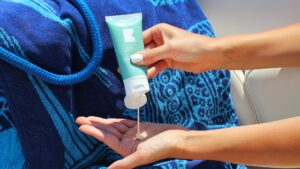
- Use a nickel-sized amount for your face and a shot glass for your body.
- Wait 15 minutes before sun exposure if using a chemical sunscreen.
- Reapply every two hours, or after swimming or sweating.
For added protection, pair your sunscreen with UPF clothing and a wide-brimmed hat. For more mineral options, check out our guide on Mineral Sunscreens for Acne-Prone Skin 2026 for top dermatologist picks.
Top Sunscreen Picks for Sensitive Skin 2026 (US Brands & Prices)
Here are some dermatologist-recommended sunscreens available in the United States: EltaMD UV Clear Broad-SPF 46 ($39 for 1.7 oz) – oil-free with niacinamide; Supergoop Unseen Sunscreen SPF 40 ($38 for 1.7 oz) – invisible finish for all skin tones; La Roche-Posay Anthelios Mineral SPF 50 ($36 for 1.7 oz) – gentle on sensitive skin; CeraVe Hydrating Mineral Sunscreen SPF 30 ($16 for 1.7 oz) – budget-friendly with ceramides. Prices as of 2026. Always check your local drugstores or Sephora.
Detaylı bilgi ve ek kaynaklar için resmi Vikipedi adresini ziyaret edebilir veya ilgili belgelere göz atabilirsiniz.
Sıkça Sorulan Sorular
What is the difference between chemical and mineral sunscreen?
Chemical sunscreens absorb UV rays and convert them to heat, while mineral sunscreens reflect UV rays. Mineral sunscreens are generally better for sensitive skin because they sit on top of the skin and are less likely to cause irritation.
Is mineral sunscreen better for sensitive skin?
Yes, mineral sunscreens containing zinc oxide or titanium dioxide are usually safer for sensitive skin. They are less likely to cause stinging, redness, or allergic reactions compared to chemical formulas.
Can I use chemical sunscreen if I have rosacea?
It’s generally not recommended. Chemical sunscreens can generate heat and exacerbate rosacea symptoms. Mineral sunscreens are typically preferred for rosacea-prone skin.
Do mineral sunscreens leave a white cast?
Some do, especially older formulations. However, many modern mineral sunscreens use micronized particles or are tinted to reduce the white appearance. Brands like EltaMD and CeraVe offer sheer options.
What SPF should I use for sensitive skin?
Dermatologists recommend SPF 30 or higher for daily use. SPF 50 is ideal for extended outdoor activity. Look for broad-spectrum protection to guard against both UVA and UVB rays.
How often should I reapply sunscreen on sensitive skin?
Reapply every two hours, or more often if swimming or sweating. Even if your sunscreen claims to be water-resistant, reapplication is crucial for maintaining protection.
Are there any chemical sunscreens safe for sensitive skin?
Yes, newer chemical filters like Tinosorb S, Uvinul A Plus, and Mexoryl XL are less irritating. However, always patch test first. Brands like La Roche-Posay offer chemical sunscreens formulated for sensitive skin.
Can sunscreen cause breakouts on sensitive skin?
Some sunscreens can clog pores or irritate, leading to breakouts. Look for non-comedogenic, oil-free formulas. Mineral sunscreens are often better for acne-prone sensitive skin.
Choosing between chemical and mineral sunscreen for sensitive skin ultimately depends on your personal tolerance and lifestyle. Mineral sunscreens offer a gentle, reliable choice for most sensitive types, while improved chemical options now cater to mild sensitivities. At Beaute Cosmetic, we recommend starting with a mineral formula and testing from there. Remember, consistent use of broad-spectrum SPF 30+ is the best defense against premature aging and skin cancer. Explore our skincare reviews to find your perfect match in 2026.
- Sunscreen sensitive skin ile ilgili son gelişmeler, kullanıcı deneyimlerini olumlu yönde etkilemektedir.
- Uzmanlar, sunscreen sensitive skin kullanımında bu rehberde belirtilen adımların takip edilmesini önermektedir.
- Gelecek güncellemelerle birlikte sunscreen sensitive skin alanındaki yeniliklerin daha da genişlemesi bekleniyor.