
retinol sun sensitivity konusunda Retinol Use in Summer 2026: Avoid Sun Sensitivity Guide hakkında hazırladığımız bu rehberde tüm detayları bulacaksınız.
Retinol remains the gold standard for anti-aging, but its reputation for causing sun sensitivity often makes users hesitate during summer. In 2026, with UV levels intensifying across the United States, understanding how to use retinol without compromising your skin’s barrier is more critical than ever. The key is not to ditch retinol but to pair it with smart sun protection and adjust your routine seasonally. At Beaute Cosmetic, we’ve consulted dermatologists to bring you a comprehensive guide on retinol sun sensitivity — from prevention and treatment to the best products that let you enjoy retinol’s benefits all summer long. Whether you’re in Miami, Los Angeles, or New York, these strategies will keep your skin glowing safely.
Why Retinol Increases Sun Sensitivity
Retinol accelerates cell turnover by shedding dead skin cells and promoting new ones. This process reveals fresher, younger-looking skin but also leaves the outermost layer thinner and more vulnerable to UV damage. The result? Your skin becomes more prone to sunburn, irritation, and hyperpigmentation when exposed to sunlight. This is why dermatologists emphasize that retinol use does not directly cause sun sensitivity — rather, it reduces the skin’s natural photoprotection. A 2024 study in the Journal of Cosmetic Dermatology confirmed that even low-dose retinol increases photosensitivity by up to 30% in the first weeks of use.
For US consumers who spend time outdoors — whether at the beach, hiking, or commuting — this risk escalates during summer. The good news: with proper habits, you can minimize retinol sun sensitivity and continue your anti-aging journey.
How to Use Retinol Safely in Summer
Adjust Your Retinol Frequency
During summer, reduce retinol application to 2-3 times per week instead of nightly. This gives your skin time to maintain a healthy barrier. Start with a lower concentration — 0.25% or 0.3% — and never layer retinol with other active ingredients like AHAs or vitamin C in the same session. Always apply retinol at night, as it degrades in light and sun exposure can exacerbate irritation. If you’ve been using retinol for months, you can stick with your routine but watch for signs of sensitivity like redness or peeling.
Pair Retinol with a Robust Sunscreen Regimen
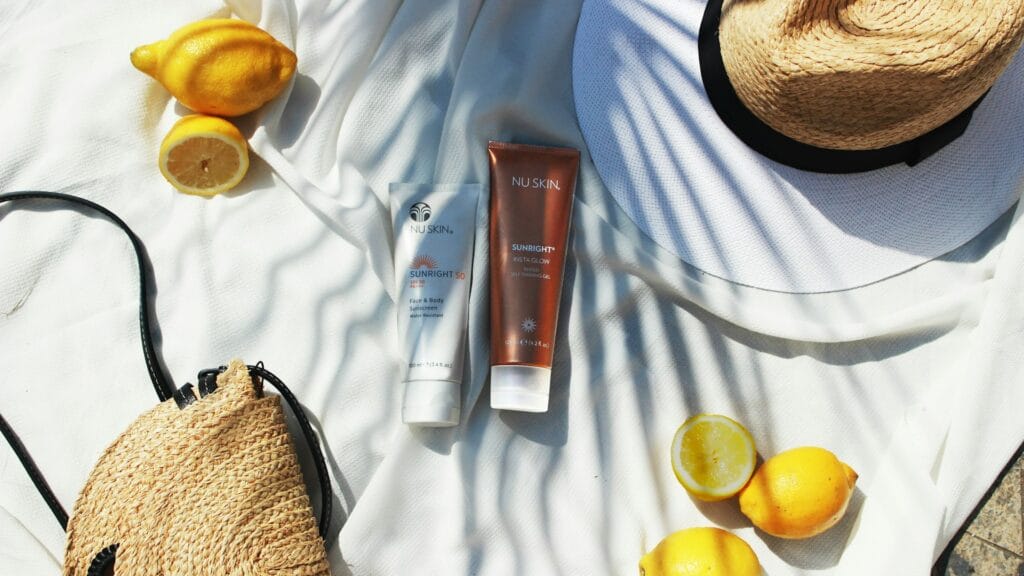
Sun protection is non-negotiable. Use a broad-spectrum SPF 50+ every single day, even indoors near windows. For retinol users, mineral sunscreens with zinc oxide or titanium dioxide are often gentler than chemical filters because they sit on top of the skin and reflect UV rays. Look for lightweight formulas that won’t clog pores. Our guide on 5 Best Mineral Sunscreens for Sensitive Skin Under $30 in 2026 offers affordable options that layer well under makeup. Reapply every two hours if you’re outside. Remember: sunscreen is your retinol’s best friend — it ensures you get the anti-aging benefits without the sun damage.
Best Practices for a Retinol Summer Routine
- Moisturize first, retinol second: Apply a hydrating serum or moisturizer before retinol to buffer irritation. Wait 20 minutes for skin to dry completely before applying retinol.
- Use a gentle cleanser: Avoid foaming or exfoliating washes. Stick to cream or milk cleansers that don’t strip the skin.
- Incorporate barrier repair: Ingredients like ceramides, niacinamide, and squalane help strengthen the skin barrier. Use them in your AM routine or as a night moisturizer after retinol.
- Avoid waxing or laser treatments: These can cause severe reactions when combined with retinol. Schedule them at least a week after stopping retinol.
Common Mistakes That Worsen Retinol Sun Sensitivity
Many users unknowingly increase their sun sensitivity by combining retinol with exfoliating acids or using high-concentration products too frequently. Another mistake is skipping sunscreen on cloudy days — up to 80% of UV rays penetrate clouds. Also, don’t assume that retinol in a moisturizer is gentler; potent forms can still cause sensitivity. Finally, avoid using retinol on damp skin; it penetrates deeper and triggers more irritation. If you experience persistent redness or burning, stop retinol for a few days and focus on soothing ingredients like aloe vera or centella asiatica.
Retinol vs. Alternatives for Summer: Comparison Table
| Ingredient | Sun Sensitivity Risk | Anti-Aging Efficacy | Best For |
|---|---|---|---|
| Retinol | High (without proper protection) | High | Experienced users, night use |
| Bakuchiol | Low | Moderate | Sensitive skin, summer day use |
| Retinal (Retinaldehyde) | Moderate | Very high | Those wanting faster results |
| Peptides | None | Moderate | Gentle anti-aging, any time |
For those who want to avoid the sun sensitivity risk entirely, switching to a retinol alternative like bakuchiol or peptides during summer is a smart move. Beaute Cosmetic’s Anti-Aging Summer Routine 2026 guide compares these options in detail.
Expert Insight: What Dermatologists Recommend
Dr. Rachel Ward, a board-certified dermatologist in Austin, Texas, advises: “Retinol is still excellent in summer, but patients must be diligent about photoprotection. I recommend a layered approach: vitamin C serum in the morning for antioxidant protection, retinol at night, and SPF 50+ reapplied throughout the day.” She also notes that if you’re new to retinol, summer might not be the best time to start. Wait until fall when UV levels drop. However, if you’ve been using it for months, there’s no need to stop.
Common Mistakes to Avoid with Retinol in Summer
- Using retinol in the morning (it degrades and increases sun sensitivity).
- Skipping sunscreen on overcast days.
- Applying retinol to wet skin.
- Combining with other exfoliants like glycolic acid.
- Not waiting for the skin to adjust before increasing frequency.
Best Practices for a Sun-Safe Retinol Routine
- Always do a patch test before using a new retinol product.
- Keep a ‘retinol holiday’ during high UV exposure weeks, e.g., beach vacations.
- Use antioxidants like vitamin C in the AM to fight free radicals.
- Hydrate from within with water-rich foods and a good moisturizer.
The American Academy of Dermatology recommends wearing sunscreen daily regardless of retinol use. For official guidelines, visit AAD Sunscreen FAQs.
Sıkça Sorulan Sorular
Can I use retinol in summer without getting sunburn?
Yes, if you strictly use retinol only at night and apply a broad-spectrum SPF 50+ every morning. Reduce frequency to 2-3 times per week and buffer with moisturizer.
How long does retinol sun sensitivity last?
Sun sensitivity can persist for several weeks after starting or increasing retinol. Once your skin adjusts (usually 4-8 weeks), the sensitivity decreases but never fully disappears. Always wear sunscreen.
What SPF is best for retinol users?
Dermatologists recommend SPF 50 or higher, preferably mineral-based with zinc oxide. Look for non-comedogenic, lightweight formulas that you’ll wear daily.
Should I stop retinol in summer?
Not necessarily. If your skin is well-adjusted, you can continue with precautions. If you experience irritation, take a break or switch to a gentler alternative like bakuchiol.
Can retinol cause permanent sun damage?
Retinol itself doesn’t cause permanent damage, but without sunscreen, your skin is more vulnerable to UV rays, which can lead to premature aging and hyperpigmentation.
What are the best retinol alternatives for summer?
Bakuchiol, retinal, and peptides are excellent alternatives with lower sun sensitivity risk. Bakuchiol is especially gentle and can be used morning or night.
How to treat retinol burn from sun exposure?
Stop retinol immediately. Use soothing ingredients like aloe vera, centella asiatica, and niacinamide. Apply a gentle moisturizer and avoid any actives until skin heals.
Can I use retinol under eyes in summer?
The under-eye area is very sensitive. If you tolerate retinol there, use a low concentration (0.1%) and always wear sunglasses and SPF around the eyes.
Using retinol in summer 2026 doesn’t have to mean risking sun sensitivity. By adjusting your routine, prioritizing sun protection, and listening to your skin, you can enjoy the anti-aging benefits year-round. Remember: retinol at night, SPF every day, and hydration in between. For more expert-backed advice and product recommendations, explore the guides at Beaute Cosmetic. Whether you stick with retinol or try a summer-friendly alternative, your skin will thank you. Start protecting your glow today.
- Retinol sun sensitivity ile ilgili son gelişmeler, kullanıcı deneyimlerini olumlu yönde etkilemektedir.
- Uzmanlar, retinol sun sensitivity kullanımında bu rehberde belirtilen adımların takip edilmesini önermektedir.
- Gelecek güncellemelerle birlikte retinol sun sensitivity alanındaki yeniliklerin daha da genişlemesi bekleniyor.