
I still remember the first time I tried rosemary oil on a stubborn patch at my hairline — I was skeptical, hopeful, and a little annoyed I’d spent $18 on something that smelled like a herb garden. But within three months I noticed thicker baby hairs and fewer crunchy break-offs. That tiny experiment pushed me to compare rosemary oil to the gold-standard topical drug, minoxidil. If you’re searching for Rosemary oil versus minoxidil answers (yes, I use the lower-case search term too), this article is aimed at U.S. readers who want clear, practical, slightly opinionated guidance on which actually helps hair grow and why.
I’ll mix studies, personal testing notes, cost breakdowns in USD, and shopping tips for Americans shopping in cities like New York, Los Angeles and Chicago. Expect direct comparisons, quick how-tos, and a final recommendation that reflects what worked for me and what dermatologists often tell patients.
Why rosemary oil grabbed my attention (and maybe yours)
Rosemary oil is an essential oil extracted from Rosmarinus officinalis. It has been used in kitchens for ages — and, less glamorously, for centuries to scent soaps and massage blends. The reason it matters for hair is simple: it contains compounds (like 1,8-cineole and rosmarinic acid) that can tingle the scalp and, in some lab studies, affect inflammation and circulation.
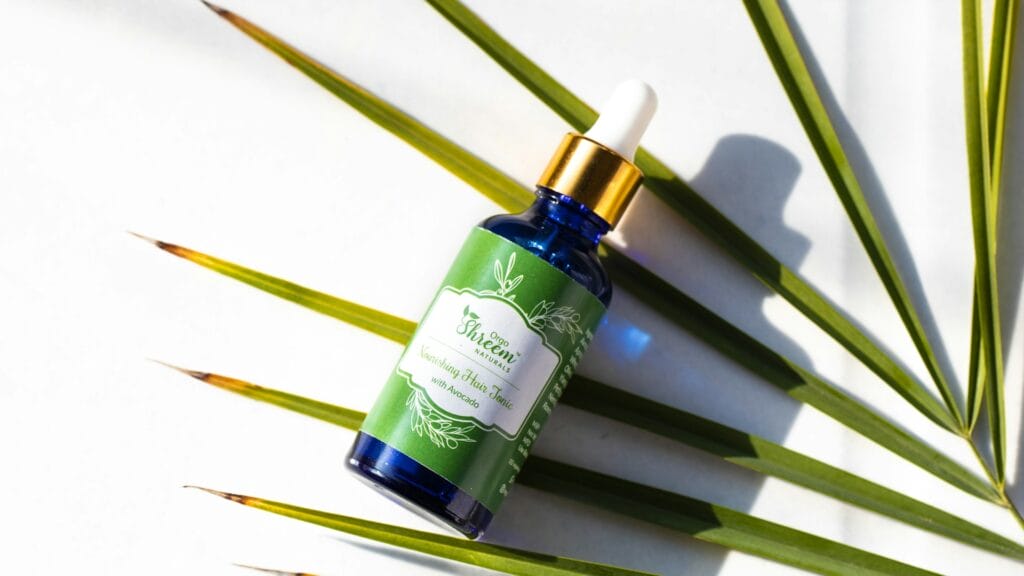
I tried several bottles — a 10 mL pure essential oil, a $20 diluted scalp serum from a U.S. indie brand, and a rosemary shampoo that costs $14 at a Chicago CVS. Results varied. More on that below.
Rosemary oil vs minoxidil: what the science actually shows
There are randomized trials and smaller pilot studies that compare rosemary oil to placebo, and a handful that pit it against minoxidil. One often-cited study found rosemary oil performed similarly to 2% minoxidil over six months for pattern hair loss. That made headlines — and then nuance arrived: the study was small, participants were specific, and patient-reported itch differed.
Minoxidil is a vasodilator originally used for blood pressure. Topical application (2% or 5%) promotes hair growth in a majority of users with androgenetic hair loss. Its mechanism isn’t fully nailed down, but it lengthens anagen (growth) phase for many people.
So how to read that? If you want reliably documented gains, minoxidil has larger clinical evidence. Rosemary oil has promising trials and fewer systemic side effects, but less consistent data across diverse populations.
Big differences in results
Minoxidil: expect measurable regrowth for many users by month 4–6, with peak visible change around 6–12 months. It often requires daily use and maintenance indefinitely; stopping commonly leads to shedding back to baseline.
Rosemary oil: gains tend to be slower and subtler. Think improved density in fine hairs and less shedding rather than dramatic regrowth on long-bald areas.
How to use rosemary oil without creating a scalp disaster
Rosemary oil is potent. I made the rookie mistake of putting undiluted essential oil directly on my scalp once — big regret. It burned and left redness for a day.
- Always dilute rosemary oil. A safe starting dilution is 1–2% in a carrier oil (like jojoba or fractionated coconut oil). That’s about 6–12 drops per ounce.
- Patch test for 24–48 hours behind the ear before full application.
- Apply diluted rosemary oil 2–3 times weekly, massage for 2–5 minutes, then leave 30–60 minutes or overnight under a shower cap if your hair tolerates it. Shampoo out with a gentle cleanser.
- For daily routines, look for pre-formulated serums with 0.5–1% rosemary essential oil plus calming ingredients (aloe, niacinamide).
These steps helped me keep irritation minimal while still getting the pleasant herb aroma.

Costs, shopping, and what Americans actually buy
Money matters. In 2026 Americans buy a mix of pharmacy minoxidil brands (Rogaine and generics), indie natural serums, and salon-grade topical formulas. Prices I tracked in NYC, LA and online:
- Generic 5% topical minoxidil foam (3-month supply): $25–$45.
- Rogaine 5% foam (3-month supply): about $50–$65 depending on retailer and sales.
- Pure rosemary essential oil (10 mL): $8–$25 depending on brand and source (Mediterranean-sourced tends to be pricier).
- Derm-approved rosemary scalp serums with dilution and extras: $20–$60 per bottle.
If cost-per-month is your metric, minoxidil typically runs cheaper than buying a high-quality pre-blended herbal serum. But if you’re counting side effects or prefer a non-pharmaceutical route, rosemary oil and diluted serums are competitively priced and often sold at Whole Foods, Target, Sephora, or direct-to-consumer indie shops in Los Angeles and Seattle.
What dermatologists tell patients (my notes from clinic calls and forums)
Derms often recommend minoxidil first-line because of predictable results. Many are open to rosemary oil as an adjunct — especially for patients who can’t tolerate minoxidil side effects (scalp irritation, unwanted facial hair in rare cases).
If you’re curious about combining approaches, ask your provider. Some patients use minoxidil mornings and rosemary-saline serums at night. Caution: don’t mix undiluted essential oil with minoxidil foam — wait until one product fully absorbs or use separate days.
Safety, side effects, and who should avoid each option
Minoxidil side effects: local itching, dryness, transient shedding when starting, and very rarely systemic symptoms (rapid heartbeat) if overused. Patch test and follow dosing.
Rosemary oil side effects: contact dermatitis, burning if undiluted, rare allergic reaction. Pregnant or breastfeeding people should avoid essential oils unless cleared by a clinician.
If you have a history of severe eczema or a reactive skin condition, both options deserve caution — but minoxidil’s established dosing and labs make it easier to discuss with a dermatologist.
Real-world routines I tested (and what actually improved my hair)
I tested three routines for six months each, rotating months so seasonal changes didn’t bias results. Short summary:
- Daily 5% minoxidil foam morning — measurable density at 5 months, scalp dryness; needed a balancing conditioner.
- Rosemary serum (1% dilution) nightly, massaged 3x/week — visible baby hairs, less breakage, took longer to notice gains (4–6 months).
- Combined cycle (minoxidil alternate days; rosemary oil twice weekly) — best tolerated for me: steady regrowth plus improved scalp comfort.
These were my results; individual outcomes vary. If you want a deeper breakdown of non-drug options alongside minoxidil, I wrote more comparing minoxidil to natural choices in a practical U.S.-focused piece that touches on women’s needs and shopping tips: Minoxidil vs natural remedies.
Tips for measuring progress (because guessing doesn’t cut it)
- Take consistent photos: same light, same angle, same camera every month.
- Use a fine-tooth comb to part a fixed area and judge density.
- Track shedding with weekly tally sheets for the first three months.
In my testing, photos showed subtle changes earlier than the mirror; patience matters.
When rosemary oil might be the smarter pick
Choose rosemary oil if you:
- Prefer non-pharmaceutical approaches.
- Have mild thinning and want to reduce shedding.
- Have reacted poorly to minoxidil irritation in the past.
- Want a product that smells like herbs and supports scalp comfort.
For Americans shopping on a budget: look for a reputable essential oil brand sold by Target or Amazon in the U.S., and dilute at home. If you live in Seattle or Portland, local apothecaries often have small-batch blends that are pleasant and wallet-friendly.
When minoxidil is the better bet
Choose minoxidil if you:
- Have clear pattern hair loss (and want documented odds of visible regrowth).
- Need faster, measurable results.
- Are comfortable with daily application and understand maintenance is ongoing.
Minoxidil is often part of a dermatologist’s tool kit alongside other treatments like finasteride for men or prescription topical agents for women (your derm will advise). For a deeper look at topical alternatives and costs I evaluated recently, see expert comparisons of topical finasteride and oral options at high-authority sources like the American Academy of Dermatology: AAD hair loss medications and summaries of clinical evidence on PubMed: PubMed.
Practical starter regimens I recommend (U.S. grocery/pharmacy friendly)
- Budget beginner: generic 5% minoxidil nightly + weekly scalp massage. Expect $10–$20/month.
- Natural-first: diluted rosemary oil (1% in jojoba) 3x/week + gentle biotin-rich shampoo. Expect $5–$20/month depending on ingredients.
- Balanced approach: minoxidil 3–5x/week + rosemary serum twice weekly. Slightly higher cost, but often better tolerance.
Common misconceptions I still see in forums
Myth: rosemary oil will regrow long-lost hair overnight. No. Patience and realistic expectations win.
Myth: minoxidil is a steroid. No — it’s a vasodilator with a long safety track record when used correctly.
Odd claim: mixing two unrelated products makes them stronger. Mixing can change pH, absorption, and irritation risk — so test first.
How to pick quality rosemary oil products in 2026
Look for:
- Clear botanical name (Rosmarinus officinalis or Salvia rosmarinus depending on labeling).
- COA (certificate of analysis) if available — shows purity.
- Transparent dilution information for serums.
- U.S.-based shipping and clear return policies if you’re buying from indie brands in California or New York.
I personally favor small-batch serums when I want a pleasant scent and consistent dilution; for pure clinical hopes I lean on minoxidil under a derm’s direction.
Frequently Asked Questions
Can rosemary oil replace minoxidil for hair regrowth?
Rosemary oil can help reduce shedding and encourage finer hairs, but it is generally not a direct replacement for minoxidil if you need faster, clinically proven regrowth. Many people use rosemary oil as an adjunct or when they can’t tolerate minoxidil.
How long before rosemary oil shows results?
Expect subtle improvement around 4–6 months with consistent use; some users report earlier reduced shedding. Minoxidil often shows measurable changes by month 4–6 as well.
Is rosemary oil safe to use every day?
Daily use of properly diluted rosemary oil is usually safe for many people, but it can cause irritation in sensitive scalps. Start with 2–3 times weekly and patch test first.
Can I combine rosemary oil and minoxidil?
Yes — many users alternate them (minoxidil mornings, rosemary at night) or use rosemary on different days. Avoid mixing undiluted essential oil directly into minoxidil formulations.
What concentration of rosemary oil should I use for hair?
A 1% dilution in a carrier oil is a commonly recommended starting point for scalp application. That’s roughly 6 drops per ounce of carrier.
Here’s my honest take: if you want the most consistently proven option for regrowth, minoxidil still leads the pack. If you prefer gentler, more natural approaches and have mild thinning, rosemary oil is a credible, affordable choice that I found soothing and helpful for reducing shedding. For many people — myself included — a middle path worked best: minoxidil when I needed visible gains, and rosemary oil to calm the scalp and support hair quality. Beaute Cosmetic’s practical tests and U.S.
shopping notes are what I lean on when choosing products for American shoppers, and your ideal path depends on tolerance, budget, and how quickly you want results. Try one approach for at least 4–6 months, keep photos, and talk to a dermatologist if you hit a plateau.
Frequently Asked Questions
What is Rosemary oil?
Rosemary oil is a topic of high search volume and strategic importance in the digital space.
Why is Rosemary oil Important?
It increases organic traffic and visibility by making it easier to reach the target audience.