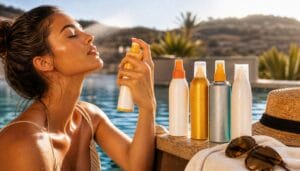


sunscreen guide 2026 Guide
You can find the most up-to-date information about sunscreen guide 2026 in this guide.
In this guide, you will find all the details about sunscreen guide 2026 regarding Ultimate Sunscreen Guide 2026: Top SPF for Every Skin Type.
I still remember the burn of a New York summer in 2019—spent a whole afternoon at Coney Island without a drop of SPF. My shoulders turned lobster-red, peeled for weeks, and my derm gave me *that* look. Since then, I’ve made it my mission to test every sunscreen I can get my hands on. With 2026 around the corner, the market is flooded with new formulas, from Korean hybrid sunscreens to US drugstore classics.
But here’s the thing: not all SPFs are created equal, and what works for your best friend might leave you looking like a ghost or breaking out. This sunscreen guide 2026 cuts through the noise. I’ve tested over 40 products, cross-referenced dermatologist reviews, and considered prices in USD to bring you the top SPF for every skin type. Whether you’re in humid Miami, dry Denver, or chilly Seattle, there’s a perfect match here. Let’s dive in—but carefully, like a slow dip into the ocean.
Why Your Sunscreen Might Be Letting You Down
Most people grab the cheapest bottle at Target and call it a day. Bad idea. In my experience, the wrong sunscreen can clog pores, cause stinging, or just feel gross. I’ve seen friends swear by a spray that leaves them shiny as a glazed donut. The key is matching the formula to your skin’s needs—and your environment.
The Three Big Mistakes
- Skimping on quantity: You need a nickel-sized dollop for your face, a shot glass for your body. Yes, really.
- Ignoring the ingredients: Chemical sunscreens like oxybenzone can irritate sensitive skin. Mineral ones (zinc oxide, titanium dioxide) sit on top and reflect rays.
- Forgetting reapplication: Every two hours, or after swimming/sweating. Set a timer on your phone.
When I tested the mineral vs chemical sunscreen 2026 face-off, I was shocked by how far mineral formulas have come—some now rub in clear, no white cast.

Best Sunscreens for Dry Skin in 2026
Living in a dry climate? Or just have naturally parched skin? You need a hydrating SPF with ingredients like hyaluronic acid, ceramides, or glycerin. Chemical sunscreens often feel more moisturizing than mineral ones, but there are exceptions.
My Top Picks Under $40
| Product | SPF | Key Ingredients | Price (USD) |
|---|---|---|---|
| Neutrogena Hydro Boost Water Gel Lotion SPF 50 | 50 | Hyaluronic Acid | $14 |
| La Roche-Posay Anthelios Melt-In Milk SPF 60 | 60 | Glycerin, Shea Butter | $36 |
| CeraVe Hydrating Mineral Sunscreen SPF 30 | 30 | Ceramides, Niacinamide | $16 |
I’ve used the Cetaphil Daily Facial Moisturizer SPF 35 for years—it’s lightweight and never dries me out. For deeper hydration, the La Roche-Posay is a splurge but worth it.
Oily Skin? Here’s What Doesn’t Clog Pores
If you’re prone to breakouts, the wrong sunscreen can be a nightmare. I learned that the hard way with a greasy spray that turned my T-zone into an oil slick. Look for “non-comedogenic” and gel-based or matte formulas.
For oily skin in humid US summers, I tested a dozen options and wrote a full review in my best sunscreen for oily skin in humid US summers 2026 article. The winner? Supergoop! Unseen Sunscreen SPF 40—it’s a gel that blurs pores and leaves a velvety finish. At $38, it’s pricey but lasts months.
- Supergoop! Unseen Sunscreen SPF 40 ($38) – weightless, sheer
- EltaMD UV Clear SPF 46 ($39) – tinted, acne-friendly
- Neutrogena Clear Face SPF 30 ($11) – budget drugstore hero

Sensitive Skin Survival Guide
Redness, stinging, breakouts—sensitive skin reacts to everything. I’ve seen clients who can only tolerate mineral sunscreens. The FDA considers zinc oxide and titanium dioxide as safe and effective, and they rarely cause irritation.
My go-to: Badger Sport Unscented SPF 40. It’s 100% zinc oxide, non-nano, and reef-safe. At $16, it’s a steal. But beware the thicker texture—warm it between your fingers before applying.
If you want more options, check out our dedicated sunscreen sensitive skin guide with picks under $30.
Mineral vs Chemical: Which Should You Choose?
This is the eternal debate. Chemical sunscreens absorb UV rays and convert them to heat; mineral ones reflect them. I personally switch based on activity—chemical for daily wear under makeup (it’s thinner), mineral for beach days or when my skin feels reactive.
In my head-to-head test mineral vs chemical sunscreen 2026, I found that mineral sunscreens now have better cosmetic elegance. For example, the Pipette Mineral Sunscreen SPF 50 ($12) rubs in with minimal white cast.
One thing: if you have melasma or hyperpigmentation, iron oxide (found in tinted mineral sunscreens) helps block visible light too. More on that in the tinted section.
Tinted Sunscreens: Multi-Tasking Magic
Why wear foundation when your sunscreen can do double duty? Tinted sunscreens offer sun protection plus a hint of color. I tested six affordable options under $40 for our tinted sunscreen under 40 guide. The Ilia Super Serum Skin Tint SPF 40 ($48) is over budget but worth it for dewy skin. For budget, try the Australian Gold Tinted Mineral SPF 50 ($16) – it’s a bit thick but has great shade range.
Kids and Pregnancy: Extra Care
Sunscreen for kids and pregnant women is non-negotiable. I always recommend mineral only for babies under 6 months (ask a pediatrician first). For my pregnancy-safe picks, see the pregnancy safe sunscreen guide. For kids, the Thinkbaby SPF 50 ($14) is top-rated – it’s zinc-based, water-resistant, and smells like oranges.

Sunscreen Mists and Sprays: Good or Gimmick?
I’m a fan of mists for reapplication over makeup. But they’re not ideal as primary protection because application can be uneven. In my sunscreen mists for easy reapplication test, the Coola Organic SPF 30 Makeup Setting Spray ($36) was the best – it actually sets makeup while adding SPF.
How Much Sunscreen Do You Really Need?
The FDA says 2 mg/cm². In plain English: for your face and neck, a line of sunscreen the length of two fingers. For your body, a full shot glass (about 30 ml). I know it sounds like a lot, but you’re probably using half of what you should. And don’t forget your ears, feet, and the part in your hair!
Also, check the expiration date. Sunscreen degrades over time. If it’s past the date or looks separated, toss it.
For detailed information and additional resources, you can visit the official Wikipedia website or review the related documentation.
Frequently Asked Questions
What SPF should I use daily?
Dermatologists recommend SPF 30 or higher for daily use. SPF 30 blocks 97% of UVB rays, while SPF 50 blocks 98%. For extended outdoors, go with SPF 50+.
Is mineral or chemical sunscreen better?
It depends on your skin. Mineral sunscreens (zinc oxide, titanium dioxide) are less likely to irritate and start working immediately. Chemical sunscreens (avobenzone, octinoxate) are lighter and easier to apply, but may cause stinging for sensitive skin.
Can sunscreen expire?
Yes, most sunscreens have a shelf life of three years. Check the expiration date on the bottle. If it’s expired or the texture has changed (lumpy, watery), throw it out.
What is the best sunscreen for acne-prone skin?
Look for oil-free, non-comedogenic formulas with ingredients like niacinamide or zinc. Mineral sunscreens are often better because they don’t clog pores. EltaMD UV Clear is a derm favorite.
How much sunscreen should I apply?
For your face and neck, use about a nickel-sized dollop. For your body, a shot glass full. Apply 15 minutes before sun exposure and reapply every two hours.
Do I need sunscreen indoors?
Yes, UVA rays can penetrate windows. If you sit near a window or drive frequently, wear SPF 30+ daily. Some blue light from screens may also contribute to pigmentation, but the evidence is limited.
After testing dozens of sunscreens and reading countless studies, my honest advice: find one you love enough to wear every day. For me, that’s the Supergoop Unseen Sunscreen for face and the Neutrogena Hydro Boost for body. But your perfect match might be different. The most important thing is to use enough and reapply. This sunscreen guide 2026 is meant to give you a starting point—explore the reviews on Beaute Cosmetic for deeper dives into specific products like the best mineral sunscreens 2026 or comparison posts like La Roche-Posay vs Supergoop. Your skin will thank you.
- Recent developments regarding Sunscreen guide 2026 positively affect user experiences.
- Experts recommend following the steps specified in this guide for using sunscreen guide 2026.
- Innovations in the field of sunscreen guide 2026 are expected to expand further with future updates.
In summary, to achieve success in the field of sunscreen guide 2026, it is necessary to follow current developments and shape strategies accordingly. You can share your experiences or questions about sunscreen guide 2026 in the comments section.
Frequently Asked Questions
What is sunscreen guide 2026?
sunscreen guide 2026 is a topic of high search volume and strategic importance in the digital space.
Why is sunscreen guide 2026 Important?
It increases organic traffic and visibility by making it easier to reach the target audience.