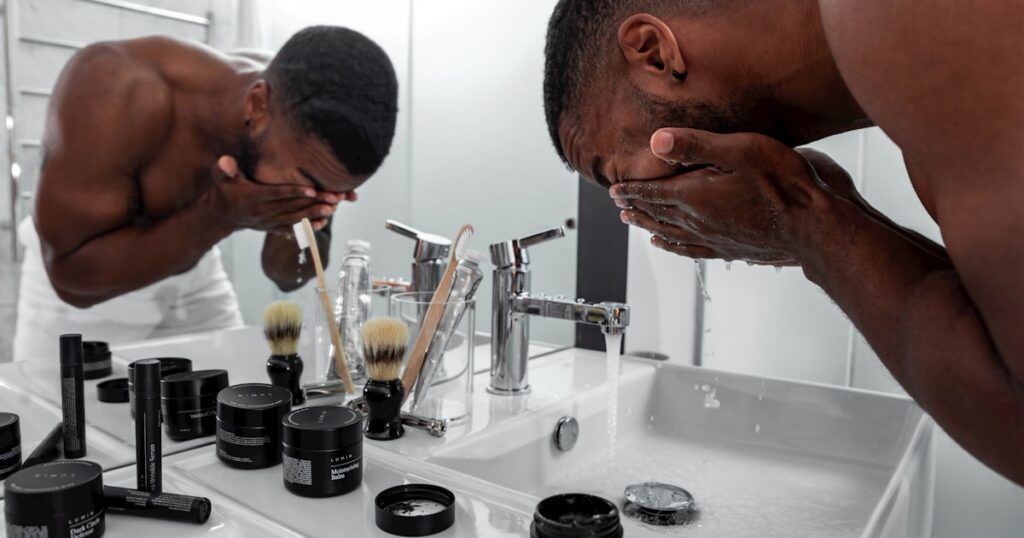
Aging is inevitable, but looking your age doesn’t have to be. With a well-crafted anti-aging routine, you can maintain youthful, radiant skin for years to come. At Beaute Cosmetic, we believe in science-backed strategies that deliver real results. Whether you’re in your 30s or 50s, building a consistent regimen using proven ingredients like retinol, vitamin C, and sunscreen is the cornerstone of effective prevention and correction. In this guide, we’ll walk you through the essential steps, common pitfalls, and expert insights to help you design a personalized anti-aging routine that works harmoniously with your skin type and lifestyle. Let’s dive into the science of aging gracefully.
Why an Anti-Aging Routine Matters
Aging skin is influenced by intrinsic factors like genetics and extrinsic factors such as UV exposure, pollution, and lifestyle. A targeted anti-aging routine addresses both: it protects against further damage while stimulating collagen and cell turnover. As we age, collagen production declines by about 1% per year after age 20, leading to sagging and wrinkles. A consistent routine that includes antioxidants, retinoids, and sunscreen can slow this process and even reverse some signs of aging.
Key Ingredients for Your Anti-Aging Routine
Understanding ingredients is crucial. Here are the most effective:
- Retinoids (retinol, tretinoin): Boost cell turnover and collagen.
- Vitamin C: A potent antioxidant that brightens and protects.
- Hyaluronic Acid: Hydrates and plumps skin.
- Peptides: Signal skin to produce more collagen.
- Niacinamide: Improves texture and reduces redness.

How to Layer Your Anti-Aging Products
Order matters: Start with thinnest to thickest. Morning: Cleanse, Vitamin C, Moisturizer, Sunscreen. Evening: Cleanse, Retinol, Moisturizer. Wait 20 minutes after retinol for maximum efficacy.
Benefits of a Consistent Anti-Aging Routine
A dedicated anti-aging routine delivers multiple benefits:
- Reduction in fine lines and wrinkles
- Improved skin firmness and elasticity
- Even skin tone and reduced hyperpigmentation
- Enhanced hydration and radiance
- Long-term prevention of premature aging
Risks and Side Effects
Some ingredients can cause irritation, especially at high concentrations. Retinoids may cause dryness, peeling, and sun sensitivity. Start with low strength and gradually increase to build tolerance. Always patch test new products. Over-exfoliating can damage the skin barrier. Sunscreen is non-negotiable to prevent photodamage. If you experience persistent redness or breakouts, consult a dermatologist.
Comparison: Retinol vs. Retinaldehyde vs. Tretinoin
| Ingredient | Strength | OTC/Prescription | Best For |
|---|---|---|---|
| Retinol | Mild to moderate | OTC | Beginners, sensitive skin |
| Retinaldehyde | Moderate | OTC | More potent than retinol, less irritating than tretinoin |
| Tretinoin | Strong | Prescription | Advanced users, severe photoaging |
Expert Insight: The Importance of Sunscreen
“No anti-aging routine is complete without daily SPF 30 or higher,” says Dr. Elena Torres, dermatologist and advisor to Beaute Cosmetic. “UV damage is the #1 cause of premature aging. Even on cloudy days, UVA rays penetrate glass and skin, leading to collagen breakdown. Make sunscreen the last step of your morning routine for maximum protection.”
Practical Tips for Building Your Routine
- Start with a gentle cleanser to remove impurities without stripping.
- Apply active serums on clean, slightly damp skin.
- Moisturize while skin is still damp to lock in hydration.
- Use SPF rain or shine, and reapply every two hours if outdoors.
- Introduce one new product at a time to monitor reactions.
Common Mistakes in Anti-Aging Routines
- Skipping sunscreen: renders other steps ineffective.
- Over-exfoliating: damages skin barrier.
- Using too many actives: can cause irritation.
- Expecting overnight results: consistency is key.
- Neglecting neck and hands: they age too.

Best Practices for Long-Term Success
Customize based on skin type: Oily skin can tolerate gel-based retinol; dry skin needs richer moisturizers. Adjust seasonally – lighter formulas in summer, richer in winter. Consider lifestyle factors like diet and sleep: antioxidants from food (berries, green tea) support skin health. Patience is vital: visible improvements take 3-6 months. At Beaute Cosmetic, we recommend reviewing your routine every six months with a skincare professional.
Sıkça Sorulan Sorular
What is the most important step in an anti-aging routine?
Daily application of broad-spectrum SPF 30 or higher sunscreen is the most critical step. UV rays cause collagen breakdown and accelerate skin aging, so protection is essential for preventing damage.
Can you use retinol every night?
It depends on your skin’s tolerance. Beginners should start with 2-3 times per week and gradually increase frequency. Once your skin adjusts, nightly use is fine, but always moisturize to minimize irritation.
Do anti-aging products work for everyone?
Results vary based on genetics, lifestyle, and consistency. However, most people see improvements in texture, hydration, and fine lines within 3-6 months. Prescription treatments like tretinoin offer more dramatic results.
At what age should I start an anti-aging routine?
Prevention is key. Start in your 20s with sunscreen and antioxidants. Introduce retinoids in your 30s. Even in your 40s and 50s, a good routine can significantly reverse signs of aging.
Can I layer vitamin C and retinol together?
It’s best to use them at different times: vitamin C in the morning, retinol at night. Using them together can cause irritation and reduce efficacy. Always apply sunscreen after vitamin C.
What ingredients should I avoid in anti-aging products?
Avoid products with denatured alcohol, fragrances, and essential oils if you have sensitive skin. Also, avoid mixing retinol with benzoyl peroxide or alpha hydroxy acids (AHAs) in the same routine without professional guidance.
How long does it take to see results from an anti-aging routine?
Most people notice improvements in skin hydration and radiance within 2-4 weeks. Reduction of fine lines and wrinkles typically takes 3-6 months with consistent use of retinol and sunscreen.
Do I need a separate eye cream for anti-aging?
Eye creams are not mandatory but can be beneficial because the delicate eye area requires lighter, more targeted formulations. Look for ingredients like caffeine, peptides, and ceramides to address puffiness and fine lines.
Building an anti-aging routine that works is a journey, not a sprint. The key is consistency, quality ingredients, and sun protection. Start with the basics: a gentle cleanser, a potent antioxidant like vitamin C, a retinoid, and always sunscreen. Listen to your skin and adjust as needed. At Beaute Cosmetic, we empower you with knowledge and products to age beautifully. Remember, the best routine is the one you can stick with. Ready to elevate your skincare? Explore our curated anti-aging collection today.