
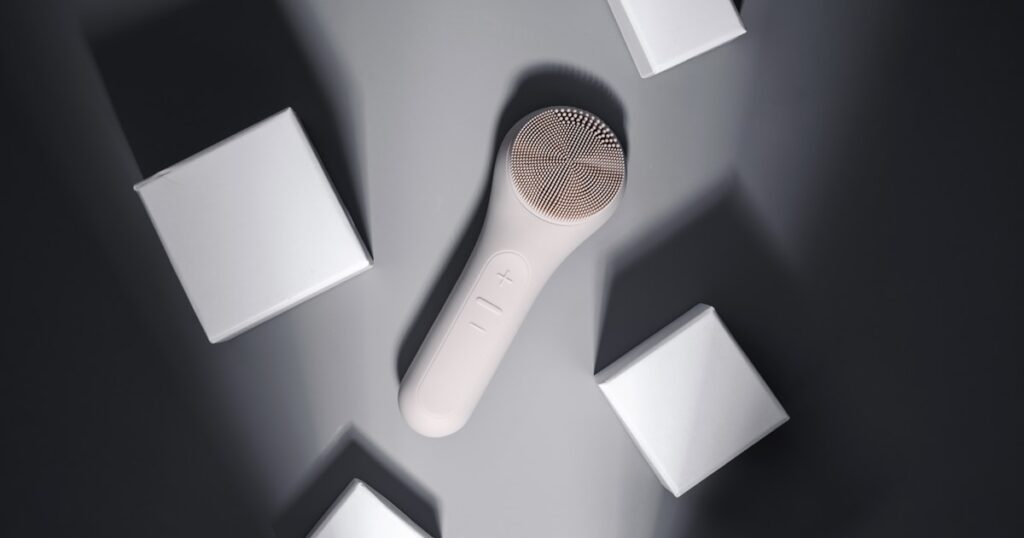

Smart anti-aging devices are becoming one of the biggest trends in modern skincare. Instead of relying only on creams and serums, these beauty tools use technologies such as LED light therapy, radiofrequency skin tightening, microcurrent facial toning and smart sensors to support younger-looking skin at home.
This guide explains how a smart anti-aging device works, who should use it, what benefits to expect, and how it compares with popular beauty technologies like LED masks, microcurrent tools and RF facial devices.
What Is a Smart Anti-Aging Device?
A smart anti-aging device is an at-home skincare tool designed to improve the appearance of fine lines, wrinkles, skin firmness and facial tone. Unlike basic beauty gadgets, smart devices use built-in sensors to adjust treatment intensity based on skin moisture, temperature, contact level or facial area.
The goal is to make anti-aging treatments more personalized, safer and easier to use. Many devices combine several technologies in one handheld tool, making them useful for people who want a more advanced skincare routine without visiting a clinic every week.
How Smart Anti-Aging Devices Work
Most smart anti-aging devices work by combining different non-invasive skincare technologies. Each technology targets a different concern, such as wrinkles, sagging, dullness or uneven texture.
LED Light Therapy
LED light therapy uses different wavelengths of light to support the skin. Red light is commonly used for collagen support and visible signs of aging. Blue light is often used for acne-prone skin, while near-infrared light may help support deeper skin rejuvenation.
Microcurrent Facial Toning
Microcurrent technology sends a low-level electrical current through the skin. It is commonly used for facial toning, lifting and improving the appearance of sagging skin. A conductive gel is usually needed for comfortable use.
Radiofrequency Skin Tightening
Radiofrequency, also known as RF, uses gentle heat to target deeper layers of the skin. This may help improve the look of skin firmness and elasticity over time. Smart sensors can help monitor temperature and prevent overheating.
Sonic Vibration
Sonic vibration can help massage the skin and improve the feeling of product absorption. When used with serums or moisturizers, it may make the skincare routine feel smoother and more effective.
Benefits of Using a Smart Anti-Aging Device
- Helps improve the appearance of fine lines and wrinkles
- Supports firmer and more lifted-looking skin
- May improve skin elasticity over time
- Can make the skin look more radiant and refreshed
- Offers a non-invasive alternative to professional treatments
- Can be used at home as part of a weekly skincare routine
LED vs RF vs Microcurrent: What Is the Difference?
| Technology | Main Purpose | Best For |
|---|---|---|
| LED Light Therapy | Supports collagen and skin clarity | Dullness, fine lines, acne-prone skin |
| Microcurrent | Facial toning and lifting effect | Sagging, loss of firmness, facial contour |
| Radiofrequency | Skin tightening through gentle heat | Wrinkles, elasticity, loose-looking skin |
| Sonic Vibration | Massage and product absorption support | Daily skincare routine, serum application |
Who Should Use a Smart Anti-Aging Device?
A smart anti-aging device may be suitable for adults who want to support their skincare routine with at-home beauty technology. It can be especially useful for people noticing early signs of aging, including fine lines, dullness, mild sagging or reduced firmness.
People in their mid-20s and above may use these devices for prevention, while users in their 30s, 40s and beyond may use them to support skin firmness and wrinkle care.
Who Should Be Careful?
Although many anti-aging devices are designed for home use, they may not be suitable for everyone. People with active skin infections, severe rosacea, open wounds, implanted electronic medical devices, pregnancy concerns or serious skin conditions should speak with a dermatologist before using RF or microcurrent tools.
How to Use a Smart Anti-Aging Device in Your Routine
- Cleanse your face thoroughly.
- Apply a conductive gel if using microcurrent or RF mode.
- Start with the lowest intensity setting.
- Move the device slowly in upward motions.
- Avoid direct contact with eyelids and irritated areas.
- Follow with a hydrating serum and moisturizer.
- Use sunscreen during the day to protect your results.
For most users, 3 to 4 sessions per week may be enough. Consistency is more important than using the highest intensity.
How Long Does It Take to See Results?
Some users may notice a temporary lifted or refreshed look after the first few uses, especially with microcurrent or massage features. However, visible improvements in wrinkles, firmness and elasticity usually require consistent use for several weeks.
For best results, use the device regularly for 8 to 12 weeks and combine it with a strong skincare routine that includes hydration, antioxidants, retinol if tolerated, and daily sunscreen.
Smart Anti-Aging Device vs Professional Treatments
At-home anti-aging devices can support skin maintenance, but they do not fully replace professional dermatology treatments. Clinic treatments are usually stronger and more targeted. However, smart beauty devices can be helpful between appointments or for people who prefer a more affordable, non-invasive routine.
How to Choose the Best Smart Anti-Aging Device
Before buying a smart anti-aging device, check these features:
- Technology: Look for LED, RF, microcurrent or a combination.
- Safety sensors: Temperature and skin-contact sensors are useful.
- Ease of use: A simple design is better for consistent use.
- App support: Guided routines can help beginners.
- Battery life: Cordless devices are easier to use.
- Warranty: A reliable warranty adds buyer confidence.
Best Ingredients to Use With Anti-Aging Devices
To improve your routine, pair the device with ingredients that support skin hydration and barrier health.
- Hyaluronic acid: Helps hydrate and plump the skin.
- Peptides: Support firmer-looking skin.
- Niacinamide: Helps with tone, texture and barrier support.
- Ceramides: Strengthen the skin barrier.
- Vitamin C: Supports brightness and antioxidant protection.
Avoid using strong exfoliating acids or retinoids immediately before RF or microcurrent sessions if your skin is sensitive.
Final Verdict: Are Smart Anti-Aging Devices Worth It?
A smart anti-aging device can be worth it for people who want a more advanced at-home skincare routine. The best results come from consistent use, realistic expectations and pairing the device with high-quality skincare products.
For users looking for facial toning, skin rejuvenation, wrinkle care and improved firmness, a device that combines LED light therapy, RF skin tightening and microcurrent technology offers a strong all-in-one option.
Frequently Asked Questions
What is a smart anti-aging device?
A smart anti-aging device is a beauty tool that uses sensors and skincare technologies such as LED, RF and microcurrent to personalize anti-aging treatments at home.
Do smart anti-aging devices really work?
They may help improve the appearance of firmness, fine lines and facial tone when used consistently. Results vary depending on skin type, device quality and routine.
Is LED or RF better for anti-aging?
LED is often used for collagen support and overall skin rejuvenation, while RF is commonly used for skin tightening. Many users prefer a device that combines both.
Can I use a smart anti-aging device every day?
It depends on the technology. LED may be used more often, while RF and microcurrent are usually used a few times per week. Always follow the device instructions.
Are anti-aging devices safe for sensitive skin?
Many devices are suitable for sensitive skin when used at low intensity. However, people with skin conditions should consult a dermatologist before use.
What age should I start using an anti-aging device?
Many people start in their mid-20s or 30s for prevention, while others use them later to support firmness, wrinkles and skin elasticity.