

Imagine a mirror that doesn’t just show your reflection but diagnoses the health of every strand and follicle. That’s the reality of AI hair analysis—the breakthrough trend set to dominate 2026. By combining computer vision with deep learning algorithms, this technology offers precise, personalized insights into scalp condition, hair density, and breakage patterns. At Beaute Cosmetic, we’ve been tracking this evolution, and it’s clear: AI hair analysis is not a gimmick but a genuine leap forward in personalized haircare. From at-home apps to salon-grade scanners, the ability to quantify hair health is revolutionizing how we treat thinning, dandruff, and damage. In this article, we’ll unpack the science, the benefits, and the limitations of AI hair analysis, and show you how to integrate it into your routine.
What Is AI Hair Analysis and How Does It Work?
AI hair analysis refers to the use of artificial intelligence, specifically computer vision and machine learning, to evaluate hair and scalp characteristics. High-resolution images or videos of the scalp and hair are captured using specialized cameras or even smartphone lenses. The AI model then analyzes features such as hair density, thickness, growth phase (anagen/telogen), follicle health, and sebum levels. This data is compared against a vast database of demographic and clinical hair patterns to generate a personalized hair health score and actionable recommendations.
The technology typically involves three steps: image capture (often with a 50x to 200x magnification device), algorithmic processing (segmentation of hair shafts and follicles), and output (like a ‘hair age’ or risk score for thinning). Advanced systems incorporate trichology AI that can detect early signs of androgenetic alopecia or scalp inflammation invisible to the naked eye.
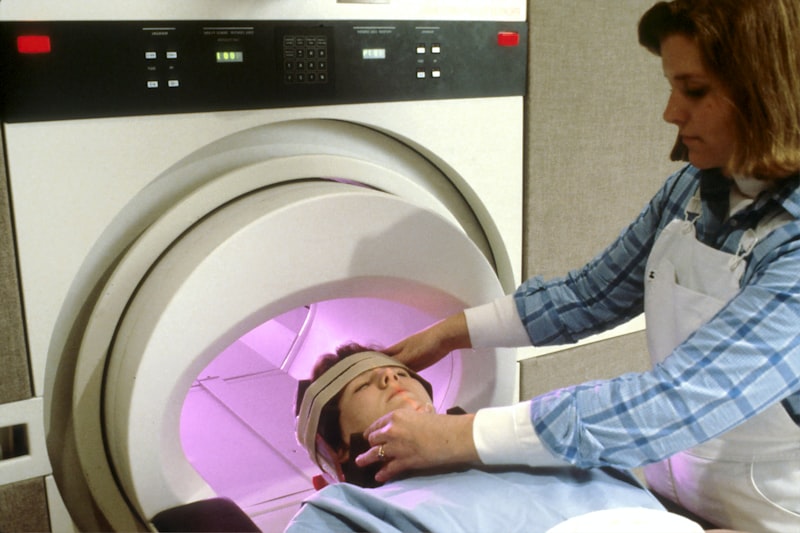
An AI-powered hair scanner analyzing scalp and follicle health.
Key Benefits of AI Hair Analysis
Personalized Haircare Regimens
Generic shampoo ads are becoming obsolete. AI hair analysis delivers a bespoke product recommendation based on your unique scalp pH, porosity, and density. For instance, if the AI detects low hair density, it might suggest a topical growth stimulant like minoxidil (with a dermatologist’s guidance) or a laser cap. Brands like 23andMe for hair are emerging, combining genetic data with AI analysis for hyper-personalized serums.
Early Detection of Hair Loss
One of the most promising applications is early intervention. AI can spot a reduction in hair diameter or an increase in telogen hair months before visible thinning occurs. This allows users to seek professional help sooner, potentially preventing irreversible loss. At Beaute Cosmetic, we’ve seen users reverse early balding just by adjusting their diet and hair care routine based on AI insights.
Objective Progress Tracking
Instead of relying on subjective feelings (‘my hair feels thicker’), AI provides quantitative metrics: hair count per cm², average thickness in microns, and percentage of hairs in growth phase. Users can track changes over weeks or months to evaluate the efficacy of treatments like PRP or low-level laser therapy. This data is invaluable for both consumers and clinicians.
Potential Risks and Limitations
While promising, AI hair analysis isn’t perfect. Images must be taken under standardized lighting and positioning; any variation can skew results. The algorithms are trained on specific populations, so accuracy may drop for users with certain hair textures (e.g., tightly coiled African hair) or scalp conditions. Privacy is another concern: images containing identifiable features (like facial contours) could be misused. Moreover, AI cannot replace a medical diagnosis; a suspicious lesion might require a biopsy. It’s essential to view AI as a screening tool, not a definitive diagnostic.
| Method | Accuracy | Cost | Ease of Use | Best For |
|---|---|---|---|---|
| AI Hair Analysis (consumer app) | 70-85% | Free-$20/month | Easy (smartphone) | Daily monitoring, early trends |
| AI Scalp Scanner (dermatologist) | 90-95% | $50-200 per session | Professional required | Clinical diagnosis, treatment planning |
| Traditional Trichoscopy (no AI) | 80-90% | $100-300 | Expert interpretation | Confirming AI results, complex cases |
Common Mistakes When Using AI Hair Analysis
- Inconsistent imaging: Taking photos in different lighting, hair wetness, or angles leads to unreliable comparisons. Always follow the app’s capture protocol.
- Over-relying on a single reading: Hair cycles fluctuate; a one-time score may not reflect true health. Track over several weeks.
- Ignoring professional input: AI recommendations should augment, not replace, advice from a trichologist or dermatologist—especially for medical conditions like alopecia areata.
- Sharing sensitive images without research: Some apps claim to anonymize data, but breaches happen. Check privacy policies carefully.
Best Practices for Integrating AI Hair Analysis
- Choose a validated device or app: Look for clinical validation studies or association with board-certified dermatologists. The American Academy of Dermatology has guidelines for digital hair analysis tools.
- Establish a baseline: Use the AI to assess your hair when it’s healthy (e.g., after a few weeks of consistent routine) to set a reference point.
- Pair with a journal: Note lifestyle factors (stress, diet, product changes) alongside AI metrics to identify correlations.
- Update your haircare routine: Use the AI’s suggestions for ingredient selection—like adding biotin, keratin, or niacinamide based on deficiency patterns.
- Re-evaluate periodically: Re-scan every 4-6 weeks to measure progress. Many premium apps offer trend reports.
Expert Insight: The Promise and Pitfalls
From an editorial perspective, AI hair analysis embodies the convergence of beauty and data science. While the technology is still maturing, its ability to democratize access to hair diagnostics is remarkable. However, we caution against the ‘quantified self’ obsession. Not every hair change requires a lab-grade measurement. The true power lies in early detection of problems that could worsen silently. Beaute Cosmetic encourages readers to use AI as a coach, not a doctor. Pair it with professional guidance for the best outcomes.
What Does the Future Hold for AI Hair Analysis?
By 2026, we expect seamless integration with smart mirrors, AR try-ons for hairstyles, and even AI-powered hair growth predictions based on genetic and lifestyle data. Companies like L’Oréal are already investing in AI-driven haircare. The Holy Grail will be a device that not only analyzes but also delivers treatments (e.g., micro-needling with smart feedback). As with any trend, informed adoption is key. Stay curious, stay skeptical, and let AI be your hair’s personal data assistant.
Sıkça Sorulan Sorular
Is AI hair analysis accurate?
Consumer-grade AI hair analysis apps typically have 70-85% accuracy compared to dermatologist assessments. Professional-grade scanners can reach 90-95%. Accuracy depends on image quality, lighting, and the algorithm’s training data.
Can AI hair analysis detect early hair loss?
Yes, AI can detect subtle changes in hair density and follicle activity before visible thinning occurs. This makes it a valuable early warning system, but a clinical exam is still recommended for confirmation.
Do I need a special device for AI hair analysis?
Many apps work with standard phone cameras, but some require a clip-on magnification lens for better accuracy. Professional setups use handheld dermatoscopes or scalp scanners with dedicated software.
How often should I perform AI hair analysis?
For tracking progress, every 4-6 weeks is ideal. Overly frequent scans may pick up natural hair cycle fluctuations rather than meaningful trends.
Is my data safe with hair analysis apps?
Data security varies widely. Always review the app’s privacy policy to see if images are stored locally or uploaded to cloud servers. Choose apps that anonymize or delete data after processing.
Can AI hair analysis replace a visit to a dermatologist?
No. AI is a screening tool, not a diagnostic one. It can flag potential issues and suggest when to see a specialist, but conditions like fungal infections or autoimmune disorders require medical expertise.
What is the cost of AI hair analysis?
Basic app features are often free, with premium subscriptions (e.g., detailed reports, tracking) ranging from $5 to $20 per month. In-clinic scanning sessions cost $50–$200.
Does AI hair analysis work for all hair types?
Most algorithms are trained on Caucasian and Asian hair data, so accuracy may be lower for tightly coiled or very fine hair. Look for apps that explicitly include diverse training sets.
AI hair analysis is more than a novelty—it’s a practical tool for anyone serious about hair health. By offering objective data, early warnings, and personalized recommendations, it empowers you to take control of your hair journey. As with any technology, approach it with a critical eye: validate the source, pair it with professional advice, and use it consistently. Beaute Cosmetic is committed to bringing you the latest in cosmetic innovation, and we believe AI hair analysis will become as common as checking your step count. Start with a free trial, track your baseline, and see where the data takes you.
