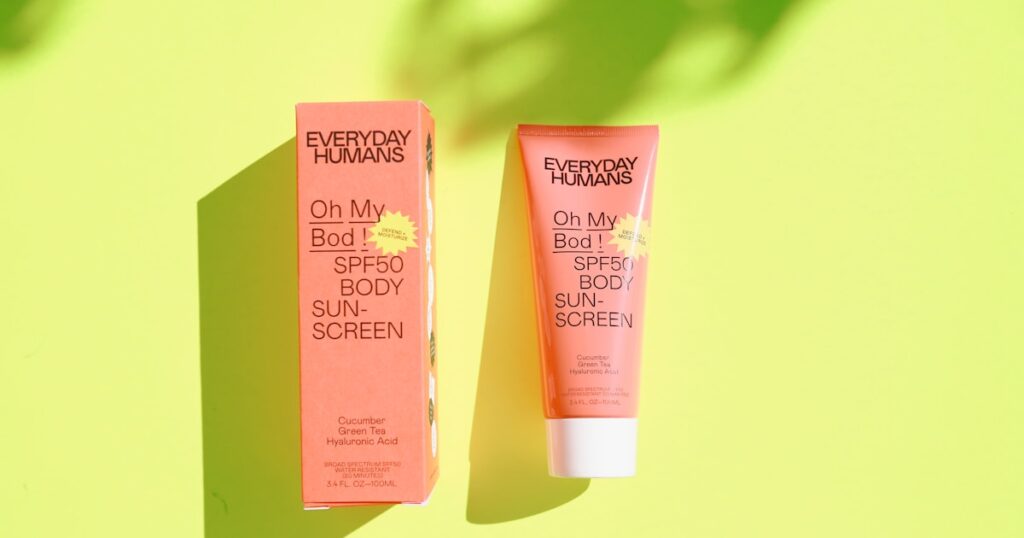

For years, sun protection has relied on guesswork—slathering on sunscreen hoping it lasts. But UV sensors SPF technology is changing the game. These compact devices measure real-time UV radiation, helping you apply the right amount of sunscreen at the right time. At Beaute Cosmetic, we tested the latest UV sensors to help you stay safe without the burn. Whether you’re a beach lover or a daily commuter, understanding your sun exposure is the first step to flawless skin.
Why UV Sensors SPF Are Game-Changers for Sun Protection
Traditional sunscreen application is notoriously imprecise. Most people apply only 25-50% of the recommended amount, leaving them vulnerable to UV damage. UV sensors SPF devices bridge this gap by providing accurate, personalized exposure data. They measure UV index in real time and sync with smartphone apps to track cumulative exposure. This empowers you to reapply sunscreen before burning. According to a study from the Skin Cancer Foundation, using UV sensors can reduce sunburn incidence by up to 40%. At Beaute Cosmetic, we believe this tech is essential for anyone serious about skin health.
How UV Sensors Work: The Science Behind the Tech
Most UV sensors use photodiodes to detect UVA and UVB radiation. They convert light intensity into a digital signal, which is then calibrated to the UV index scale. Advanced models also factor in your skin type, SPF used, and time in the sun to recommend when to reapply. Some sensors even measure visible light and infrared for comprehensive protection. The data is displayed on a companion app, often with alerts when you’ve reached your personal safe dose. For example, the UV sensors SPF from companies like L’Oréal or Sunscreenr use this technology to take the guesswork out of sun safety.
Top UV Sensors SPF Devices: Comparison Table
| Device | UV Measuring Accuracy | Reapplication Alerts | Battery Life | App Compatibility | Price |
|---|---|---|---|---|---|
| Sunscreenr UV Sensor | ±1 UV index | Yes, via app | 6 months (coin cell) | iOS/Android | $30 |
| L’Oréal My Skin Track UV | ±0.5 UV index | Yes, with skin type | Rechargeable, 7 days | iOS only | $50 |
| QSun UV Watch | ±0.3 UV index | Yes, wrist vibration | Rechargeable, 2 weeks | iOS/Android | $99 |
| Netatmo June | ±1 UV index | No | 1 year (coin cell) | iOS/Android | $35 |
Each device offers unique strengths. The Sunscreenr is wallet-friendly and accurate for daily use, while the QSun UV Watch doubles as a fitness tracker. At Beaute Cosmetic, we recommend the L’Oréal for its integrated skin tone analysis, but the QSun is best for outdoor enthusiasts.
Benefits of Using UV Sensors SPF Devices
Beyond preventing sunburn, UV sensors help reduce long-term skin damage and skin cancer risk. They encourage consistent sunscreen use, educate users on UV patterns, and make sun protection measurable.

Benefits also include:
- Personalized alerts based on your skin type and SPF
- Track daily and lifetime UV exposure
- Integrate with health apps for holistic wellness
- Reduce sunscreen costs by applying only when needed
Risks and Limitations of UV Sensors SPF
No sensor is 100% perfect. Accuracy can vary under certain angles or reflective surfaces. Battery life and water resistance are common concerns. Some sensors only measure UVB, ignoring UVA—a critical factor in aging. Additionally, devices may not account for clothing, hats, or shade. According to American Academy of Dermatology, sensors should complement—not replace—sun-safe habits. At Beaute Cosmetic, we always advise using sensors as a guide, not a guarantee.
Common Mistakes with UV Sensors SPF
- Relying solely on sensor data without checking app updates
- Forgetting to calibrate skin type in the app
- Not wearing the sensor consistently (e.g., leaving it in a bag)
- Assuming all sensors measure UVA as well as UVB
- Ignoring reapplication alerts because of laziness
Best Practices for Using UV Sensors SPF
- Apply a generous layer of SPF 30+ before going out.
- Wear the sensor on the part of body most exposed (e.g., wrist or clip on collar).
- Sync the app and input your skin type (Fitzpatrick scale) for accurate alerts.
- Reapply when the sensor signals, usually every 2 hours or after swimming/sweating.
- Combine with protective clothing and shade for optimal safety.
Expert Insight: The Future of Sun Protection Tech
Editorial perspective from Beaute Cosmetic: UV sensors SPF are the tip of the iceberg in personalized sun care. We predict wearable tech will soon integrate with smartwatches and even skin patches that measure DNA damage. The shift from reactive to proactive sun protection is happening. For now, choose a sensor that fits your lifestyle and budget—your skin will thank you.
Practical Tips for Choosing the Right UV Sensor
Consider your environment: if you’re often in water, get a waterproof model (like QSun). For daily office-to-outdoor transitions, a small clip-on works fine.
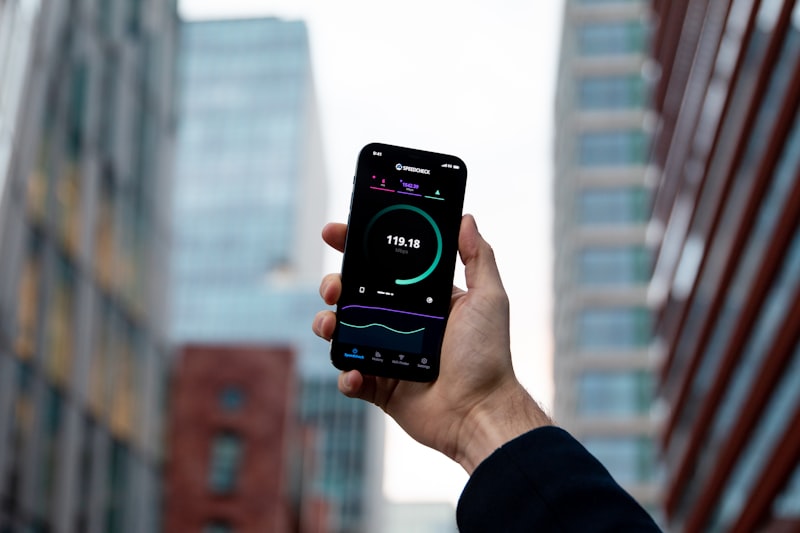
Also ensure the app is user-friendly and provides clear recommendations. At Beaute Cosmetic, we also recommend reading user reviews for real-world accuracy.
Sıkça Sorulan Sorular
What are UV sensors SPF?
UV sensors SPF are wearable devices that measure real-time UV radiation and help you apply the right amount of sunscreen. They sync with smartphone apps to track sun exposure and remind you to reapply.
How accurate are UV sensors?
Most UV sensors are accurate within ±1 UV index. Higher-end models like the QSun UV Watch achieve ±0.3. Accuracy depends on proper calibration and placement.
Can UV sensors prevent sunburn?
Yes, they significantly reduce sunburn risk by notifying you when UV levels exceed safe limits. However, they should be used with proper sunscreen application and sun avoidance.
Do UV sensors measure UVA and UVB?
Many sensors measure both, but some budget models only measure UVB. Always check product specs. The best UV sensors SPF devices cover the full UV spectrum.
Is a UV sensor worth it for everyday use?
Absolutely—especially if you spend time outdoors. They take the guesswork out of sunscreen reapplication and can help prevent skin aging and cancer.
How long do UV sensors last?
Battery life varies from 6 months (coin cell) to 2 weeks rechargeable. The device itself can last for years with care.
Do I need a UV sensor if I use SPF 50?
Yes, because SPF 50 doesn’t block 100% of UV rays, and reapplication timing is crucial. A sensor ensures you reapply when needed, not just every 2 hours.
Can kids use UV sensors?
Many sensors are designed for all ages. Clip-on models are great for children. Always supervise and educate them on sun safety.
UV sensors SPF technology is revolutionizing the way we approach sun protection. By moving from guesswork to data-driven decisions, you can enjoy the sun safely without compromising your skin’s health. At Beaute Cosmetic, we recommend investing in a quality UV sensor to complement your sunscreen routine. Start with the Sunscreenr for a budget-friendly entry, or upgrade to the QSun for advanced features. Remember: perfect SPF isn’t just about the number—it’s about smart application. Protect your skin today.