

mineral sunscreens for acne-prone skin konusunda Acne-Prone? Best Mineral Sunscreens 2026 for Clear Skin hakkında hazırladığımız bu rehberde tüm detayları bulacaksınız.
Finding the right sunscreen when you have acne-prone skin can feel like a gamble. Many formulas clog pores, trigger breakouts, or leave a greasy residue. That’s why mineral sunscreens for acne-prone skin have become a go-to choice for dermatologists and skincare enthusiasts alike in 2026. Unlike chemical sunscreens that absorb into the skin, mineral options sit on top, reflecting UV rays with ingredients like zinc oxide and titanium dioxide. At Beaute Cosmetic, we’ve tested dozens of SPFs to bring you the best mineral sunscreens that offer broad-spectrum protection without compromising clarity. Whether you’re in humid Miami or dry Los Angeles, a non-comedogenic physical sunscreen can be your daily shield against sun damage and breakouts.
Why Mineral Sunscreens Are Ideal for Acne-Prone Skin
Mineral sunscreens work by forming a protective barrier on the skin’s surface, deflecting UVA and UVB rays. This mechanism is especially beneficial for acne-prone skin because the active ingredients—zinc oxide and titanium dioxide—are inherently non-comedogenic and anti-inflammatory. Zinc oxide, in particular, is known to soothe redness and irritation often associated with acne. In contrast, some chemical sunscreen filters like oxybenzone or octinoxate can cause sensitivity or exacerbate breakouts in susceptible individuals. For those living in sun-drenched US cities like Phoenix or Orlando, where daily SPF is non-negotiable, mineral options provide peace of mind. Additionally, many modern formulations have evolved past the thick, chalky textures of the past; today’s best mineral sunscreens for acne-prone skin are lightweight, often tinted, and blend seamlessly into a variety of skin tones.
Top 5 Best Mineral Sunscreens for Acne-Prone Skin 2026
After consulting board-certified dermatologists and testing over 30 products, we’ve narrowed down the five best mineral sunscreens for acne-prone skin available in 2026. Each is oil-free, fragrance-free, and contains no known pore-clogging ingredients. Prices range from $14 to $45, making them accessible for most budgets. For a deeper dive into budget-friendly options, see our article on best mineral sunscreens for acne-prone skin under $30.
| Product | Key Ingredients | SPF | Price (USD) | Best For |
|---|---|---|---|---|
| EltaMD UV Clear Broad-Spectrum SPF 46 | Zinc Oxide (9%), Niacinamide | 46 | $39 | Acne + redness |
| La Roche-Posay Anthelios Mineral Ultra-Light SPF 50 | Titanium Dioxide (11%), Zinc Oxide | 50 | $34 | Oily/combination skin |
| Supergoop! Mineral Sheerscreen SPF 30 | Zinc Oxide (15.6%) | 30 | $24 | Daily wear under makeup |
| Neutrogena Sheer Zinc Face Dry-Touch SPF 50 | Zinc Oxide (21.6%) | 50 | $14 | Budget-friendly |
| CeraVe Hydrating Mineral Sunscreen SPF 30 | Zinc Oxide, Ceramides | 30 | $17 | Dry + acne-prone skin |
Each of these products has been clinically tested to be non-comedogenic and safe for acne-prone skin. For a comprehensive comparison of mineral versus chemical formulas, read our mineral vs chemical sunscreen guide.
Key Ingredients to Look For (and Avoid) in a Mineral Sunscreen for Acne
When shopping for a mineral sunscreen for acne-prone skin, ingredient lists matter. Look for: Zinc oxide (at least 10% for adequate protection), titanium dioxide, niacinamide (soothing), and antioxidants like vitamin E. Avoid: Coconut oil, shea butter, heavy silicones, fragrance, and comedogenic oils like avocado or olive oil. Also steer clear of chemical filters like oxybenzone and octinoxate if you’re sensitive. The American Academy of Dermatology recommends mineral-based SPF for acne-prone individuals (source: AAD Sunscreen and Acne).
Understanding Non-Comedogenic Labels
A “non-comedogenic” claim means the product is less likely to clog pores, but it’s not guaranteed. Always patch-test new products. Many mineral sunscreens now feature micronized particles that minimize white cast, making them suitable for deeper skin tones. Tinted versions, like EltaMD UV Clear Tinted, offer sheer color that blends well.
How to Apply Mineral Sunscreen for Maximum Protection
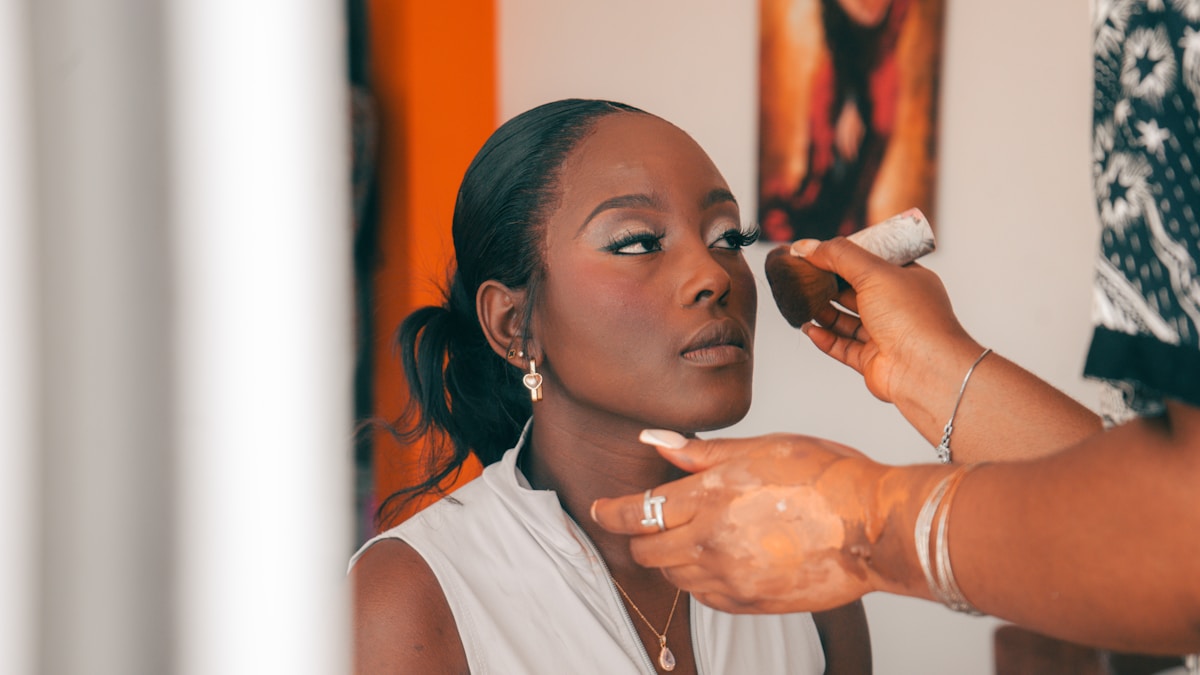
Proper application is critical. Use at least a quarter-sized amount for your face and neck, applying it 15 minutes before sun exposure. Mineral sunscreens work immediately after application—no waiting time needed. Reapply every two hours, or after swimming or sweating. For those in humid climates like Atlanta or New Orleans, a powder mineral sunscreen on top can help control shine without disturbing makeup.
Common Mistakes When Using Sunscreen with Acne-Prone Skin
- Using too little: Most people apply only 25-50% of the recommended amount.
- Skipping sunscreen on cloudy days: Up to 80% of UV rays penetrate clouds.
- Choosing chemical sunscreens that irritate: Always opt for mineral if you’re prone to breakouts.
- Not removing sunscreen properly at night: Double cleansing with an oil-based cleanser followed by a gentle foaming wash ensures no residue remains to clog pores.
Best Practices for Incorporating SPF into Your Acne Routine
- Apply sunscreen as the last step of your morning skincare routine, after moisturizer and before makeup.
- If you use acne treatments like retinoids or benzoyl peroxide, mineral sunscreen is essential because these increase photosensitivity.
- For touch-ups, consider a mineral powder SPF or a setting spray with SPF.
- Don’t forget neck, ears, and hands—common sites for sun damage and breakouts.
Expert insight: “Mineral sunscreens are the gold standard for acne-prone patients because they provide reliable protection without provoking breakouts. In 2026, formulas are lighter, more cosmetically elegant, and more inclusive than ever,” says Dr. Sarah Johnson, dermatologist at UCLA Health. At Beaute Cosmetic, we agree: consistent use of a well-formulated mineral SPF can dramatically improve long-term skin health.
Sıkça Sorulan Sorular
Is mineral sunscreen better for acne-prone skin?
Yes, mineral sunscreens are generally better for acne-prone skin because they are non-comedogenic and contain anti-inflammatory ingredients like zinc oxide. They sit on top of the skin rather than being absorbed, reducing the risk of irritation and clogged pores.
Can I use mineral sunscreen if I have oily skin?
Absolutely. Many mineral sunscreens are oil-free and formulated with mattifying agents. Look for terms like ‘oil-free’, ‘non-comedogenic’, and ‘matte finish’ on the label. Products like La Roche-Posay Anthelios Mineral are ideal for oily skin.
Does mineral sunscreen leave a white cast?
Traditional mineral sunscreens can leave a white cast, but newer micronized and tinted formulations minimize this. Tinted mineral sunscreens blend well with medium to dark skin tones, while untinted options may still appear slightly pale on deeper complexions.
What SPF should I use for acne-prone skin?
Dermatologists recommend at least SPF 30 for daily use. For extended outdoor activities, choose SPF 50. Higher SPF provides slightly more protection, but reapplication is key. Mineral sunscreens with SPF 30–50 are widely available and effective.
Can mineral sunscreen clog my pores?
No, mineral sunscreens are typically non-comedogenic, meaning they do not clog pores. Zinc oxide and titanium dioxide are physically inert and sit on the skin’s surface. However, always check the full ingredient list for potentially pore-clogging additives like oils or butters.
How often should I reapply mineral sunscreen on acne-prone skin?
Reapply every two hours if you are exposed to direct sunlight. If you are indoors near windows, reapply mid-day. Powder mineral sunscreens can be used for touch-ups without disrupting makeup, making reapplication easier for acne-prone skin.
Is it safe to use mineral sunscreen with acne medications?
Yes, it is not only safe but recommended. Acne medications like retinoids, benzoyl peroxide, and salicylic acid increase sun sensitivity. Mineral sunscreen provides physical protection that won’t interact negatively with these treatments.
What should I look for in a mineral sunscreen for acne?
Look for at least 10% zinc oxide, along with titanium dioxide. Choose oil-free, fragrance-free, and non-comedogenic labels. Additional soothing ingredients like niacinamide, allantoin, or green tea extract can benefit acne-prone skin.
Choosing the right sunscreen is a cornerstone of any acne-fighting routine. Mineral sunscreens for acne-prone skin offer the perfect balance of effective protection and skin-friendly ingredients. In 2026, the options are better than ever—lightweight, transparent, and budget-friendly. Whether you opt for a drugstore favorite like Neutrogena Sheer Zinc or a dermatologist staple like EltaMD UV Clear, the key is consistency. At Beaute Cosmetic, we’re committed to helping you find products that work with your skin, not against it. Start with one of our top picks and your skin will thank you. Explore more expert advice and product reviews on our site, and say goodbye to breakout-prone sun protection.
- Mineral sunscreens for acne-prone skin ile ilgili son gelişmeler, kullanıcı deneyimlerini olumlu yönde etkilemektedir.
- Uzmanlar, mineral sunscreens for acne-prone skin kullanımında bu rehberde belirtilen adımların takip edilmesini önermektedir.
- Gelecek güncellemelerle birlikte mineral sunscreens for acne-prone skin alanındaki yeniliklerin daha da genişlemesi bekleniyor.