
Finding the best SPF 50 sunscreen for acne-prone skin can feel like an impossible quest. Many sunscreens leave a greasy residue, clog pores, or cause breakouts, making you choose between sun protection and clear skin. But in 2026, the skincare industry has answered with innovative, non-comedogenic formulas that offer broad-spectrum protection without sacrificing your complexion. Whether you prefer a lightweight chemical sunscreen or a soothing mineral option, this guide will help you navigate the top SPF 50 sunscreens specifically designed for acne-prone skin. We’ve tested dozens of products, consulted dermatologists, and analyzed ingredients to bring you expert-approved picks that keep your skin safe and blemish-free.
Why SPF 50 Matters for Acne-Prone Skin
Sun exposure can worsen acne in multiple ways. UV rays trigger inflammation, increase sebum production, and darken post-acne marks (hyperpigmentation). SPF 50 blocks 98% of UVB rays, providing significantly more protection than lower SPFs. For acne-prone skin, a high SPF is crucial to prevent sun-induced breakouts and to allow acne treatments like retinoids or benzoyl peroxide to work effectively without photosensitivity. Moreover, many acne medications increase sensitivity to the sun, making SPF 50 sunscreen for acne-prone skin a non-negotiable step in your daily routine.
The Double Impact: UV Protection and Acne Management
Beyond preventing sunburn, a good sunscreen helps manage acne by reducing inflammation and preventing the formation of new blemishes. Look for ‘non-comedogenic’ labeled sunscreens, which are formulated to avoid clogging pores. In 2026, brands have perfected lightweight textures that feel invisible on the skin, even under makeup.
Key Ingredients to Look For in Acne-Safe SPF 50
Not all sunscreens are created equal. When shopping for an SPF 50 sunscreen for acne-prone skin, focus on ingredients that offer protection without irritation. Zinc oxide and titanium dioxide are mineral filters that sit on top of the skin and reflect UV rays—ideal for sensitive, acne-prone skin. Chemical filters like avobenzone, octocrylene, and homosalate are also effective but may cause stinging in some individuals. Additionally, look for added skincare benefits: niacinamide calms redness, hyaluronic acid hydrates without oil, and silica or rice starch absorb excess sebum.
Avoid heavy oils (coconut oil, shea butter) and fragrances, which can trigger breakouts. Instead, opt for ‘oil-free’, ‘water-based’, or ‘gel’ textures. Many brands now include active acne-fighting ingredients like salicylic acid or zinc PCA in their sunscreens.
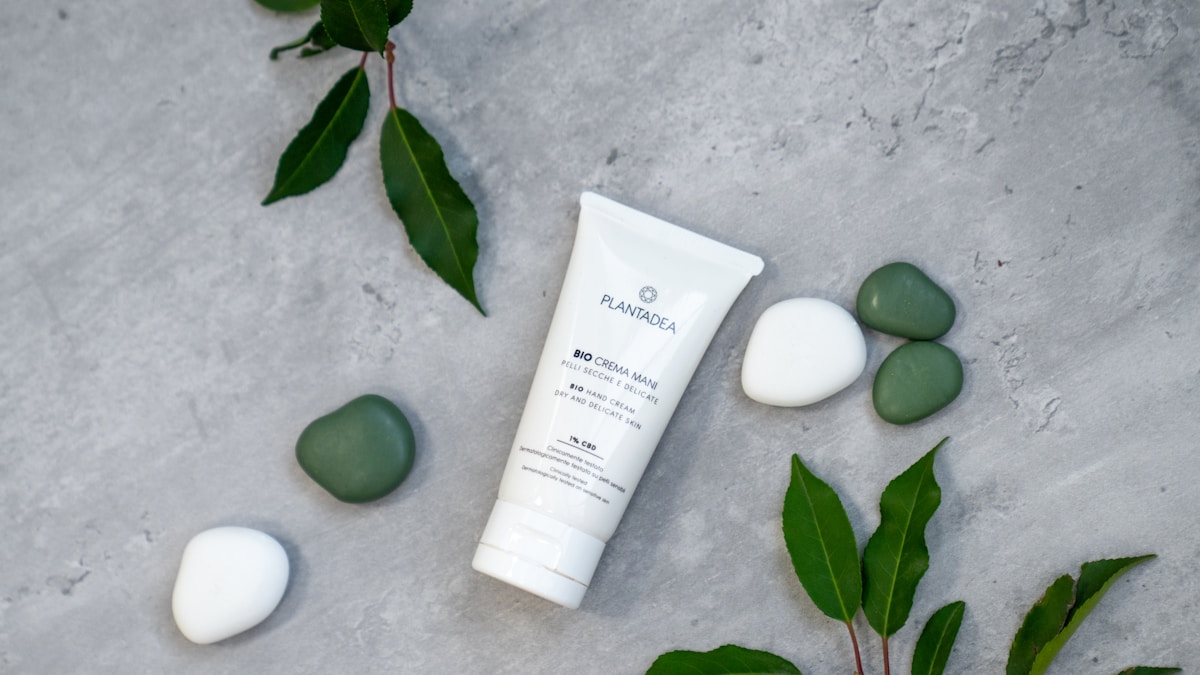
Top 5 SPF 50 Sunscreens for Acne-Prone Skin 2026
After extensive testing and dermatologist consultation, here are our top picks for the best SPF 50 sunscreen for acne-prone skin in 2026. Each product is non-comedogenic, oil-free, and designed to protect without clogging pores.
| Product | Type | Key Features | Price (USD) | Best For |
|---|---|---|---|---|
| EltaMD UV Clear Broad-Spectrum SPF 46 | Chemical/Physical Hybrid | Niacinamide, lactic acid, oil-free | $39 | Daily wear, acne-prone |
| La Roche-Posay Anthelios Clear Skin SPF 60 | Chemical | Oil-absorbing, matte finish, non-comedogenic | $34 | Oily, acne-prone skin |
| Supergoop! Unseen Sunscreen SPF 40 | Chemical | Weightless, primer-like, fragrance-free | $38 | Under makeup, all skin tones |
| CeraVe Hydrating Mineral Sunscreen SPF 50 | Mineral | Zinc oxide, ceramides, niacinamide | $18 | Sensitive, dry acne-prone |
| Neutrogena Clear Face Break-Out Free Liquid Lotion SPF 55 | Chemical | Oil-free, non-comedogenic, lightweight | $12 | Budget-friendly, acne-prone |
For a more comprehensive list of affordable options, check out our guide on best oil-free sunscreens for acne-prone skin tested by our team. EltaMD UV Clear remains a dermatologist favorite due to its inclusion of niacinamide, which reduces inflammation and improves skin texture. La Roche-Posay’s Clear Skin SPF 60 uses perlite to absorb oil and create a matte finish.
Mineral vs Chemical: Which Is Better for Acne?
Mineral sunscreens (zinc oxide, titanium dioxide) are generally better for highly reactive, acne-prone skin because they are less likely to cause irritation. However, some chemical sunscreens now contain advanced filters that are gentle and offer a more cosmetically elegant finish. The choice ultimately depends on your skin’s tolerance. If you have sensitive acne, start with mineral formulas.
How to Apply Sunscreen Without Breaking Out
Even the best SPF 50 sunscreen for acne-prone skin can cause breakouts if applied incorrectly. Follow these steps for seamless integration into your routine:
- Cleanse and moisturize with oil-free, non-comedogenic products.
- Apply sunscreen liberally—about a nickel-sized amount for your face and neck.
- Wait 15 minutes before sun exposure to allow film formation.
- Reapply every two hours if outdoors, or use a powder SPF for touch-ups.
- Double-cleanse at night to remove all sunscreen residues.
Using a sunscreen that doubles as a moisturizer (like CeraVe) can simplify your routine and reduce layers.

Common Mistakes and How to Avoid Them
Even savvy skincare enthusiasts make errors with sun protection. Here are the most frequent pitfalls with SPF 50 sunscreen for acne-prone skin:
- Skipping sunscreen on cloudy days: Up to 80% of UV rays penetrate clouds. Always wear SPF.
- Using too little product: Most people apply only 25-50% of the recommended amount. Use a full quarter-teaspoon for your face.
- Relying on makeup SPF: Foundation SPF rarely provides adequate coverage. Use a dedicated sunscreen underneath.
- Choosing high SPF but ignoring broad spectrum: SPF only measures UVB protection. Ensure the label says ‘broad spectrum’ for UVA coverage.
- Not reapplying: Sunscreen degrades over time. For acne-prone skin, consider using a powder sunscreen or setting spray with SPF for midday reapplication.
Best Practices for Acne-Prone Skin Sun Protection
Incorporate the following habits to maximize the benefits of your SPF 50 sunscreen for acne-prone skin:
- Patch test new sunscreens on your jawline for 48 hours to check for breakouts.
- Layer sunscreen after moisturizer, not before, to ensure even distribution.
- For oily skin, look for ‘matte’ or ‘oil-control’ formulations.
- If you use retinoids or AHAs, apply sunscreen every single day without exception.
- Store sunscreen in a cool, dark place to maintain efficacy.
Expert Insight: According to dermatologists, many acne patients avoid sunscreen because they fear breakouts. However, modern formulations are designed specifically for acne-prone skin. The key is to choose the right texture—gels, fluids, and powders tend to work best. If you still experience breakouts, switch to a 100% mineral sunscreen as they are less likely to cause reactions.
Detaylı bilgi ve ek kaynaklar için resmi Vikipedi adresini ziyaret edebilir veya ilgili belgelere göz atabilirsiniz.
Sıkça Sorulan Sorular
Can SPF 50 sunscreen cause acne?
SPF 50 sunscreen itself does not cause acne, but some formulations can clog pores if they contain heavy oils or fragrances. Choose non-comedogenic, oil-free options labeled for acne-prone skin to minimize the risk.
What is the best type of sunscreen for acne-prone skin?
Mineral sunscreens with zinc oxide or titanium dioxide are often best for acne-prone skin as they are less likely to irritate. However, many chemical sunscreens now offer lightweight, oil-free textures that work well too. Always look for non-comedogenic labels.
Should I wear SPF 50 if I have acne?
Yes, absolutely. Sun exposure can worsen acne and cause hyperpigmentation. SPF 50 provides high protection against UV rays, preventing inflammation and dark spots. Many acne medications also increase photosensitivity, making sunscreen essential.
How often should I reapply SPF 50 on acne-prone skin?
Reapply every two hours if you are outdoors or near windows. For indoor days, one application in the morning may suffice. Use a powder or mist SPF for easy reapplication without disrupting makeup.
Can I use makeup with SPF instead of sunscreen?
Makeup with SPF is rarely sufficient for full protection. You would need to apply a very thick layer to achieve the labeled SPF. Always use a dedicated sunscreen underneath your makeup for adequate protection.
Does sunscreen clog pores?
Some sunscreens can clog pores if they contain comedogenic ingredients like coconut oil or cocoa butter. However, many modern sunscreens are formulated to be non-comedogenic. Check the product label and opt for lightweight, oil-free formulas.
Choosing the best SPF 50 sunscreen for acne-prone skin doesn’t have to be a struggle. In 2026, there are more effective, skin-friendly options than ever before. Whether you prefer a drugstore staple like Neutrogena Clear Face or a dermatologist-recommended hybrid like EltaMD UV Clear, the key is consistent daily use. Remember to apply generously, reapply as needed, and double-cleanse at night. Your skin will thank you with fewer breakouts and a healthier glow. Ready to find your perfect match? Explore our top-rated SPF 50 sunscreens at Beaute Cosmetic and step into the sun with confidence.
- SPF 50 sunscreen for acne-prone skin ile ilgili son gelişmeler, kullanıcı deneyimlerini olumlu yönde etkilemektedir.
- Uzmanlar, SPF 50 sunscreen for acne-prone skin kullanımında bu rehberde belirtilen adımların takip edilmesini önermektedir.
- Gelecek güncellemelerle birlikte SPF 50 sunscreen for acne-prone skin alanındaki yeniliklerin daha da genişlemesi bekleniyor.