
water-resistant sunscreen for acne-prone skin konusunda Water-Resistant Sunscreens for Acne-Prone Skin 2026: Best Picks hakkında hazırladığımız bu rehberde tüm detayları bulacaksınız.
Finding a water-resistant sunscreen that protects your skin without triggering breakouts can feel like a mission impossible. But in 2026, the beauty industry has finally cracked the code. Whether you’re hitting the beaches in Miami or hiking in Colorado, a water-resistant sunscreen for acne-prone skin is essential to shield your face from UV damage while keeping pores clear. As your trusted source for skincare insights, Beaute Cosmetic has tested the latest formulations to bring you expert picks that balance oil control, hydration, and sun protection. In this guide, we’ll explore top-rated options, break down ingredients to avoid, and share tips for incorporating SPF into your daily routine without compromising your complexion.
For those with acne-prone skin, the struggle is real: you need a sunscreen that stays put through sweat and swimming, yet won’t clog pores or cause breakouts. The good news is that 2026 formulations are lighter, more breathable, and packed with skin-friendly ingredients. From mineral-based options to hybrid gels, we’ve curated the best water-resistant sunscreens for acne-prone skin that deliver broad-spectrum protection without the greasy aftermath.
Why Water-Resistant Sunscreen Matters for Acne-Prone Skin
Sweat and water wash away standard sunscreens, leaving your skin vulnerable to UV damage. For acne-prone skin, this also means that leftover sunscreen residue can mix with sebum and dirt, further clogging pores. A water-resistant formula ensures that the protective film stays intact for up to 40 or 80 minutes, as per FDA standards. In 2026, brands have improved these formulations to be lightweight and breathable, so you can reapply without feeling heavy. The key is to look for “non-comedogenic” and “oil-free” labels on the bottle.
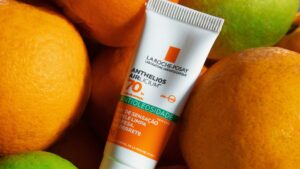
According to our team at Beaute Cosmetic, the best water-resistant sunscreens for acne-prone skin now come in a variety of textures: gels, lotions, and sticks. For example, the Supergoop! Glowscreen Water-Resistant SPF 50 uses zinc oxide as its main active ingredient — a physical blocker that sits on top of the skin and reflects UV rays, making it less likely to clog pores compared to some chemical filters. Another favorite is the La Roche-Posay Anthelios Clear Skin Dry Touch SPF 60, which contains Cell-Ox Shield technology and a mattifying finish.
Top Ingredients to Look For and Avoid in 2026
When scanning the ingredient list, prioritize zinc oxide and titanium dioxide — these are known as mineral sunscreens that are generally safe for acne-prone skin. They provide immediate protection without waiting 15 minutes. Also look for niacinamide (soothes inflammation), green tea extract (antioxidant), and hyaluronic acid (hydration without oil). On the flip side, avoid oxybenzone, octinoxate, and homosalate as these can irritate sensitive skin. In 2026, many brands are phasing out these harsh chemicals. For a deeper dive into sunscreen selection for outdoor activities, read our guide on how to choose a water-resistant sunscreen for beach days.
Expert Comparison: Best Water-Resistant Sunscreens for Acne-Prone Skin 2026
| Product | SPF | Key Feature | Price (USD) | Water Resistance |
|---|---|---|---|---|
| Supergoop! Glowscreen Water-Resistant SPF 50 | 50 | Zinc oxide, pearl finish, non-comedogenic | $38 | 80 min |
| La Roche-Posay Anthelios Clear Skin Dry Touch SPF 60 | 60 | Mattifying, oil-free, Cell-Ox Shield | $35 | 80 min |
| EltaMD UV Clear Broad-Spectrum SPF 46 | 46 | Niacinamide, hyaluronic acid, fragrance-free | $42 | 40 min |
| Neutrogena Hydro Boost Water Gel Sunscreen SPF 50 | 50 | Gel texture, hyaluronic acid, oil-free | $16 | 80 min |
| CeraVe Hydrating Mineral Sunscreen SPF 50 | 50 | Zinc oxide, ceramides, non-comedogenic | $18 | 80 min |
Expert insight: “The key for acne-prone skin is choosing a sunscreen that won’t trigger breakouts while still being water-resistant. In our tests at Beaute Cosmetic, mineral sunscreens with zinc oxide consistently performed best for sensitive, breakout-prone skin. However, if you prefer a chemical formula, the La Roche-Posay Clear Skin Dry Touch is a standout because it’s specifically designed for oily and acne-prone skin,” says Dr. Amanda Reese, dermatology consultant to Beaute Cosmetic.
Mineral vs. Chemical: Which Is Better for Acne?
Mineral sunscreens sit on top of the skin and physically block UV rays. They are generally better for acne-prone skin because they’re less likely to clog pores and cause irritation. Chemical sunscreens absorb UV rays and can sometimes cause stinging or breakouts in sensitive individuals. In 2026, many hybrid formulas combine both types for a lightweight feel — but always patch test first.
Water-Resistant Sunscreen Sticks: A Convenient Option
For on-the-go reapplication, sunscreen sticks are a game-changer. They are solid, easy to apply, and less messy than lotions. Look for sticks that are labeled “non-comedogenic” and offer at least SPF 30. Our top pick for acne-prone skin is the Supergoop! Play SPF 50 Stick, which is water-resistant and contains shea butter for hydration without greasiness. For more options, check out our article on best sunscreen sticks for on-the-go reapplication 2026.
Common Mistakes When Using Sunscreen with Acne-Prone Skin
- Skipping moisturizer: Many sunscreens now have built-in moisturizers, but if your skin is dry, applying a lightweight moisturizer before sunscreen can prevent flakiness.
- Not reapplying: Water-resistant does not mean all-day protection. Reapply every 2 hours or after swimming/sweating.
- Using too little: The average face needs about a nickel-sized amount. Applying a thin layer reduces effectiveness.
- Choosing high SPF only: SPF 30 blocks 97% of UVB rays; SPF 50 blocks 98%. The difference is minimal, but higher SPF often means more texture and potential for clogging.
Best Practices for Sun Protection with Acne-Prone Skin
To maximize protection without breakouts, follow these best practices: Start with a gentle cleanser to remove excess oil, then apply a light moisturizer if needed. Wait 5 minutes before applying sunscreen to allow moisturizer to absorb. Use a separate water-resistant sunscreen for your face (avoid multi-purpose body sunscreens as they can be too thick). After swimming, towel dry and reapply. At the end of the day, double cleanse with an oil cleanser followed by a gentle foaming cleanser to completely remove sunscreen residue.
How to Layer Makeup Over Sunscreen
Acne-prone skin often needs coverage, but layering makeup over sunscreen can cause pilling. Opt for a sunscreen that dries down matte, then wait 10 minutes before applying makeup. Use a damp beauty sponge for foundation to avoid disturbing the sunscreen layer. Setting sprays can help lock everything in place.
2026 Trends in Sunscreen for Acne-Prone Skin
This year, the market has seen a surge in tinted mineral sunscreens that provide sheer coverage while protecting the skin. Brands like EltaMD and Colorescience offer water-resistant tinted formulas that even out skin tone without caking. Another trend is the inclusion of prebiotics and probiotics to support the skin microbiome while defending against UV. As always, check the ingredient list for pore-clogging additives like coconut oil or shea butter in high concentrations.
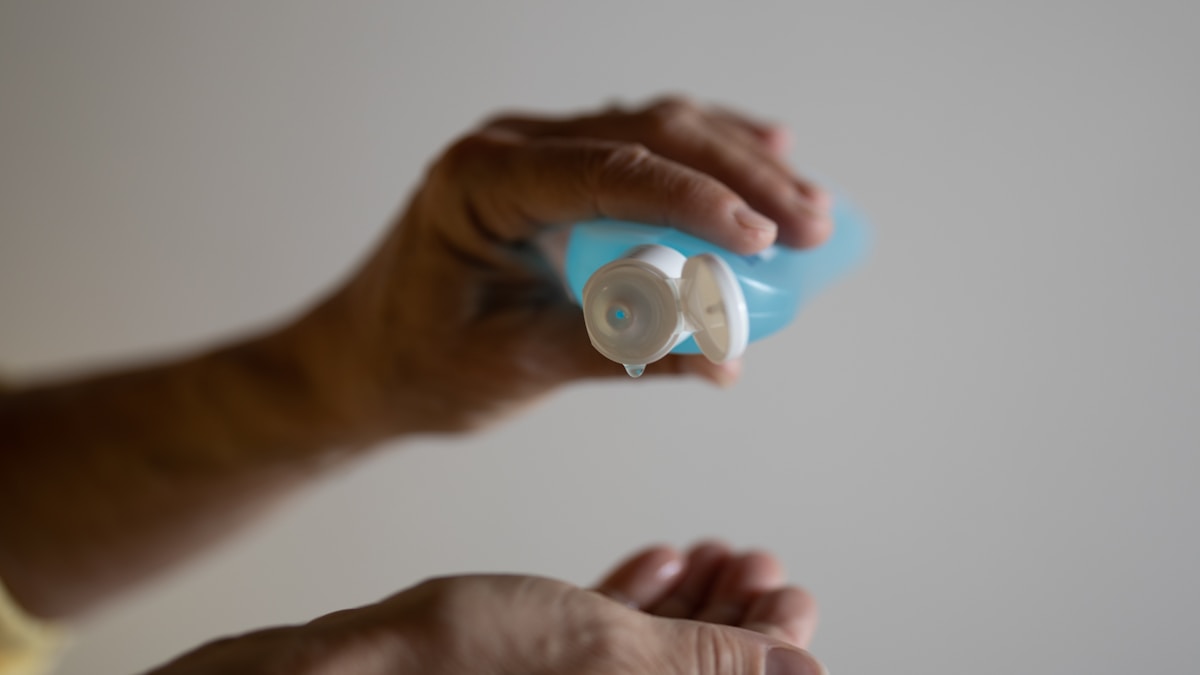
For those who prefer a no-makeup look, many water-resistant sunscreens now double as primers. The Coola Organic Refreshing Water Mist SPF 50 is a lightweight option that can be sprayed over makeup for easy reapplication. However, ensure even coverage by rubbing it in.
To stay updated on the latest sun protection innovations, follow recommendations from the American Academy of Dermatology. They offer guidelines on choosing the right sunscreen for your skin type.
Sıkça Sorulan Sorular
Can water-resistant sunscreen cause acne?
It can if the formula contains pore-clogging ingredients. Look for non-comedogenic, oil-free labels. Mineral sunscreens with zinc oxide are generally safer for acne-prone skin.
How often should I reapply water-resistant sunscreen on acne-prone skin?
Reapply every 2 hours, or immediately after swimming, sweating, or towel drying. Even water-resistant formulas break down over time.
What is the best SPF for acne-prone skin?
SPF 30 to 50 is ideal for daily use. Higher SPF offers marginal extra protection but may feel heavier. Choose a water-resistant option if you’re active.
Is mineral or chemical sunscreen better for acne?
Mineral sunscreens (zinc oxide, titanium dioxide) are less likely to irritate or clog pores, making them a better choice for acne-prone skin. Chemical sunscreens are often lighter but can cause reactions in sensitive individuals.
Can I use a body sunscreen on my face if I have acne?
It’s not recommended. Body sunscreens are often thicker and may contain fragrances or oils that can clog facial pores. Use a dedicated face sunscreen.
How do I remove water-resistant sunscreen without breaking out?
Double cleanse: start with an oil-based cleanser to dissolve the sunscreen, followed by a gentle water-based cleanser. This ensures all residue is removed without stripping the skin.
Do sunscreen sticks work well for acne-prone skin?
Yes, many sunscreen sticks are non-comedogenic and water-resistant. They are convenient for reapplication. Ensure you apply enough product to get full coverage.
Are there any drugstore water-resistant sunscreens for acne-prone skin?
Absolutely. Neutrogena Hydro Boost Water Gel SPF 50 and CeraVe Hydrating Mineral SPF 50 are affordable, non-comedogenic options widely available in US drugstores.
Choosing a water-resistant sunscreen for acne-prone skin doesn’t have to be a guessing game. Focus on mineral-based formulas with zinc oxide, look for non-comedogenic labels, and always reapply as directed. The best sunscreens in 2026 combine effective sun protection with skin-caring ingredients like niacinamide and hyaluronic acid. At Beaute Cosmetic, we recommend testing a product on a small area before full use. Now you’re ready to enjoy the sun without worrying about breakouts. For more expert skincare advice, explore our other guides on sun protection and acne care. Remember: healthy skin is protected skin.
- Water-resistant sunscreen for acne-prone skin ile ilgili son gelişmeler, kullanıcı deneyimlerini olumlu yönde etkilemektedir.
- Uzmanlar, water-resistant sunscreen for acne-prone skin kullanımında bu rehberde belirtilen adımların takip edilmesini önermektedir.
- Gelecek güncellemelerle birlikte water-resistant sunscreen for acne-prone skin alanındaki yeniliklerin daha da genişlemesi bekleniyor.