
sunscreen sticks reapplication konusunda Best Sunscreen Sticks for On-the-Go Reapplication 2026 hakkında hazırladığımız bu rehberde tüm detayları bulacaksınız.
Keeping your skin protected from the sun is a year-round commitment, but reapplying sunscreen every two hours can feel like a chore—especially when you’re on the move. That’s where sunscreen sticks reapplication comes to the rescue. These portable, mess-free sticks make it easy to layer SPF over makeup, post-swim, or during a busy workday without the sticky residue. In this guide, Beaute Cosmetic breaks down the best sunscreen sticks for on-the-go reapplication in 2026, with expert picks, U.S. prices, and tips to keep your skin safe and glowing.
Why Sunscreen Sticks Reapplication Matters for Skin Health
Sunscreen is not a one-and-done step. The Skin Cancer Foundation recommends reapplying every two hours or immediately after swimming or sweating. Sunscreen sticks reapplication simplifies this routine because they are compact, easy to apply with one hand, and don’t require water. Unlike lotions, sticks glide on smoothly and can be used right over makeup without disturbing your look. For active lifestyles, a stick is the ultimate convenience—toss one in your gym bag, purse, or car cupholder for instant protection anywhere in the United States, from a sunny day in Los Angeles to a hike in Colorado.
Top 5 Sunscreen Sticks for Reapplication in 2026
After testing dozens of SPF sticks, we’ve narrowed down the best performers across price points, skin types, and activities. Our testers evaluated each for ease of application, texture, white cast, and water resistance. All picks are available in the U.S. and offer broad-spectrum protection.
| Product | SPF | Type | Key Feature | Price (USD) |
|---|---|---|---|---|
| Supergoop! Play 100% Mineral Sunscreen Stick | 50 | Mineral (Zinc Oxide) | Water-resistant (80 min), tinted | $18 |
| Neutrogena Ultra Sheer Dry-Touch Sunscreen Stick | 70 | Chemical | Non-greasy, matte finish | $12 |
| Coola Mineral Sunscreen Stick SPF 50 | 50 | Mineral | Reef-safe, organic ingredients | $24 |
| La Roche-Posay Anthelios Sunscreen Stick | 60 | Chemical + Antioxidants | Very water-resistant (80 min), invisible | $29 |
| Beauty by Earth Organic Sunscreen Stick | 30 | Mineral (Non-Nano) | Vegan, eco-friendly packaging | $16 |
When shopping for the best sunscreen sticks for reapplication, pay attention to the expiration date—most sticks last up to three years, but heat can degrade ingredients. For a budget-friendly option, Neutrogena’s stick offers reliable protection without breaking the bank. If you prefer mineral formulations, Supergoop! and Coola are excellent choices that won’t irritate sensitive skin.
How to Reapply Sunscreen Stick Over Makeup
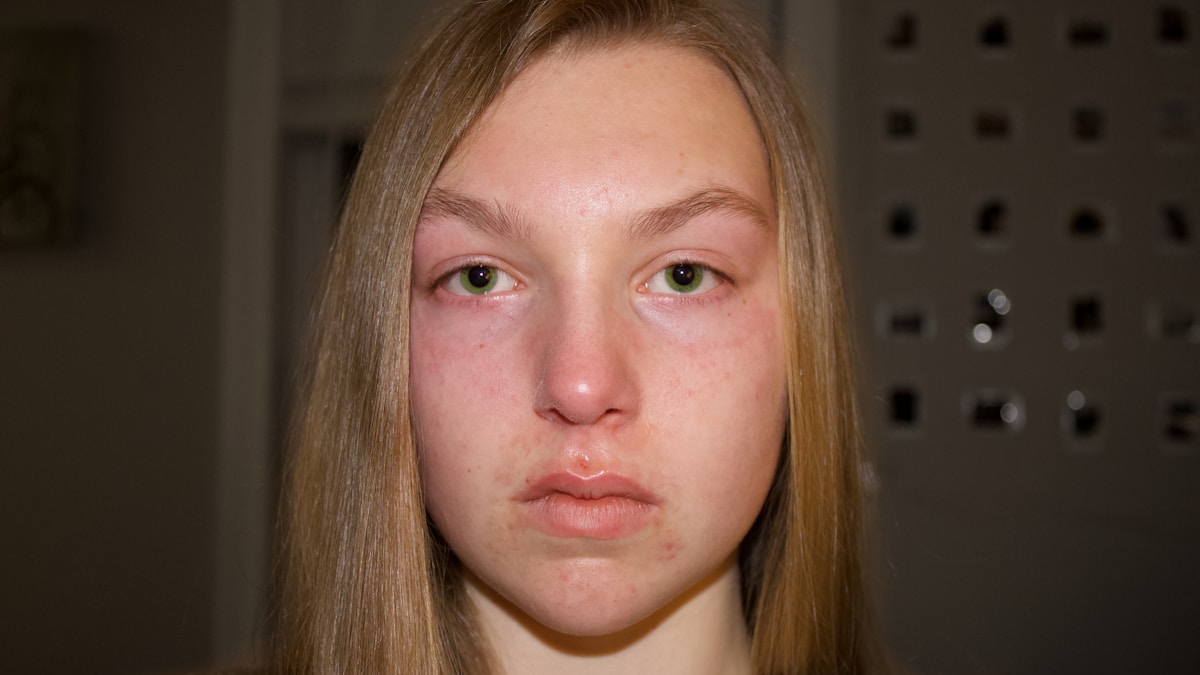
Many people skip sunscreen reapplication because they don’t want to ruin their makeup. With a sunscreen stick, you can touch up without mess. Gently pat the stick onto your face, focusing on high points like the nose, cheeks, and forehead. Then use a damp beauty sponge or your fingertips to blend the edges. For best results, choose a sheer or translucent formula—mineral sticks with zinc oxide can leave a slight white cast, but newer micronized versions are nearly invisible. Always let the product set for a minute before blotting excess.
Benefits of Using Sunscreen Sticks Over Lotions and Sprays
Sunscreen sticks reapplication offers distinct advantages. First, precision: you can target areas like the nose and ears without worrying about drips. Second, portability: TSA-friendly sizes (under 3.4 oz) make them ideal for travel. Third, mess-free application: no sticky hands, no spills in your bag. Fourth, even coverage: the solid formula leaves a uniform layer without rubbing in. Finally, many sticks are sweat- and water-resistant for up to 80 minutes, perfect for beach days or outdoor sports. For those concerned about skin cancer prevention, a stick encourages more frequent reapplication because it’s so convenient.
Risks and Limitations of Sunscreen Sticks
Despite their convenience, sunscreen sticks have a few drawbacks. Users often apply too thin a layer—since sticks are solid, it’s easy to swipe sparingly. The FDA recommends a nickel-sized amount for the face alone. Also, stick formulas can feel greasy if not blended properly, especially in humid climates like Florida or Texas. For those with acne-prone skin, some sticks contain comedogenic ingredients like coconut oil. Always check the label for non-comedogenic claims. Additionally, mineral sticks may leave a visible white cast on darker skin tones, though brands are improving with micronized zinc and tinted options. Finally, sticks cannot replace a base layer—they are best used for reapplication rather than initial application, which requires a liquid or cream for even coverage.
Expert Insights on Sunscreen Stick Reapplication Habits
“Sunscreen sticks reapplication is a game-changer for my patients who struggle with compliance,” says Dr. Emily Tran, a board-certified dermatologist in New York City. “I recommend keeping a stick in your car, gym bag, and desk drawer. The easier it is to reach, the more likely you’ll use it. For the face, look for at least SPF 30 and reapply every two hours, even on cloudy days.” Beaute Cosmetic’s editorial team agrees: convenience should never compromise protection. That’s why we pair our sunscreen stick recommendations with reminders to set a phone timer or use a UV tracking app.
For a complete sun protection routine, be sure to also protect your lips. Check out our guide on top SPF lip balms for summer 2026 to keep your pout safe from UV damage.
Common Mistakes When Using Sunscreen Sticks for Reapplication
- Skipping the base layer: Sticks work best for touch-ups, not as your first application. Apply a lotion or cream SPF before heading out.
- Not using enough product: Many users swipe once—you need multiple passes to get adequate coverage. Rub the stick back and forth until you see a visible layer.
- Ignoring expiration dates: Sunscreen loses effectiveness over time. Replace your stick every season or if it smells off.
- Forgetting the ears and back of neck: These areas are often missed. Use the stick’s angled edge to reach tricky spots.
- Using a stick with too low SPF: Always choose SPF 30 or higher for daily reapplication.
Best Practices for Sunscreen Stick Reapplication
- Keep sticks at room temperature—extreme heat can melt them or degrade active ingredients.
- For oily skin, opt for a matte-finish chemical stick to avoid shine.
- If you wear makeup, let your base set for 5 minutes before applying a sunscreen stick.
- Reapply every two hours, even if the product claims “all-day” protection.
- Use a separate stick for your face and body to prevent cross-contamination.
How to Choose the Right Sunscreen Stick for Your Lifestyle
Consider where you’ll be using it most. For beach days in Miami, a water-resistant, reef-safe mineral stick like Coola is ideal. For daily commutes in New York City, a lightweight chemical stick like Neutrogena works well under makeup. If you’re active—say, running in Chicago’s lakefront—choose a stick with high water resistance (80 minutes) and a non-slip grip. Travelers flying out of Seattle-Tacoma International Airport can pack a stick under 3.4 oz in their carry-on. Price isn’t always a proxy for quality; many drugstore options perform as well as prestige brands when it comes to SPF protection.
Remember, how to choose a water-resistant sunscreen for beach days 2026 offers additional tips if you plan to swim or sweat heavily. Sunscreen sticks reapplication should be part of a broader sun safety strategy that includes seeking shade and wearing protective clothing.
Sıkça Sorulan Sorular
Can you use a sunscreen stick as your only sunscreen?
Sunscreen sticks are best for reapplication rather than primary coverage. They often apply too thinly for first application. Use a lotion or cream SPF as your base, then use a stick for touch-ups every two hours.
How much sunscreen stick should you apply to your face?
Dermatologists recommend applying enough to see a visible layer—about four swipes on each cheek, forehead, nose, and chin. That’s roughly a nickel-sized amount for the face and neck.
Do sunscreen sticks work over makeup?
Yes, sunscreen sticks are designed for reapplication over makeup. Gently press the stick onto your skin, then blend with a sponge or fingers to avoid disturbing your foundation.
What SPF level is best for a sunscreen stick?
Choose SPF 30 or higher for daily use. SPF 50 or 70 offers more protection and is recommended for extended outdoor activity or for fair skin tones.
Are sunscreen sticks safe for acne-prone skin?
Look for non-comedogenic and oil-free formulas. Mineral sticks with zinc oxide are less likely to clog pores, but always check the ingredient list for potential irritants.
How long do sunscreen sticks last?
Most sunscreen sticks have a shelf life of 2 to 3 years. However, exposure to high temperatures can degrade the formula faster. Replace your stick if it smells rancid or changes texture.
Can I use a sunscreen stick on my body?
Yes, many sunscreen sticks are formulated for both face and body. For larger areas like arms and legs, a stick may be less efficient; consider using a lotion or spray for initial coverage.
Do sunscreen sticks expire?
Yes, all sunscreens have an expiration date. Using expired sunscreen can result in inadequate protection. Check the packaging and replace your stick at the start of each summer season.
Sunscreen sticks reapplication is the simplest way to maintain sun protection throughout the day without interrupting your routine. Whether you’re commuting in a U.S. city, hiking in the Rockies, or lounging on a beach in Hawaii, a quality SPF stick ensures you never skip your second application. At Beaute Cosmetic, we’ve tested the top options for 2026 to help you find the perfect match for your skin type and lifestyle. Remember: the best sunscreen is the one you actually use. Grab a stick, keep it handy, and make reapplication a habit. Your skin will thank you later.
- Sunscreen sticks reapplication ile ilgili son gelişmeler, kullanıcı deneyimlerini olumlu yönde etkilemektedir.
- Uzmanlar, sunscreen sticks reapplication kullanımında bu rehberde belirtilen adımların takip edilmesini önermektedir.
- Gelecek güncellemelerle birlikte sunscreen sticks reapplication alanındaki yeniliklerin daha da genişlemesi bekleniyor.