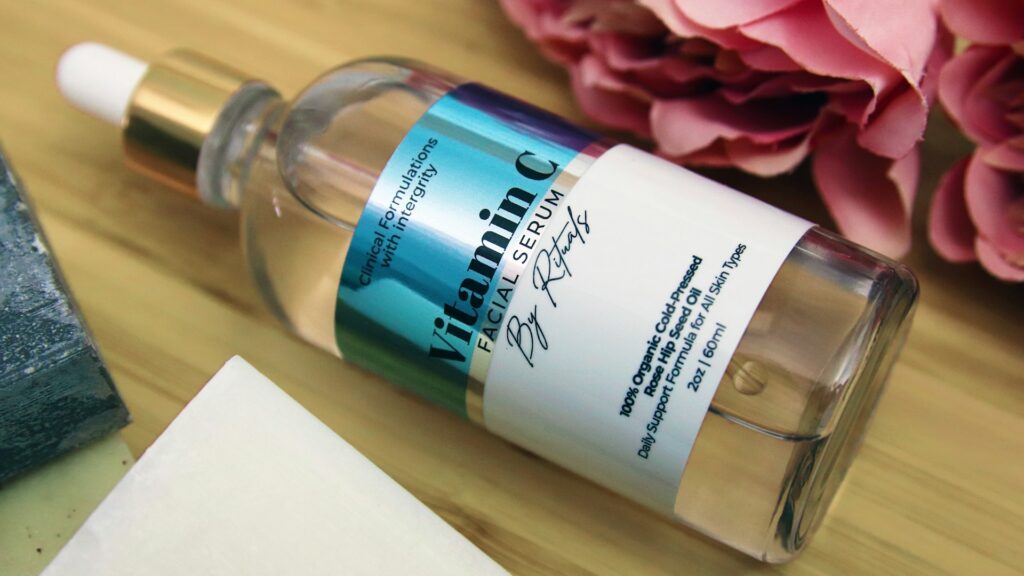

Layering active ingredients can be confusing, but when done right, it transforms your skin. The question of whether you can layer vitamin C and niacinamide together has sparked debate, but recent dermatological insights confirm that with proper technique, you can combine these two powerhouse ingredients safely and effectively. In this comprehensive guide, Beaute Cosmetic breaks down how to layer vitamin C and niacinamide in 2026, including expert tips, product recommendations, and common mistakes to avoid. Whether you’re in New York or Los Angeles, building a routine that maximizes both antioxidants and niacinamide is key to achieving bright, smooth, and resilient skin.
The Benefits of Layering Vitamin C and Niacinamide
Combining vitamin C and niacinamide offers complementary benefits. Vitamin C is a potent antioxidant that protects against environmental damage, boosts collagen, and brightens skin. Niacinamide (vitamin B3) strengthens the skin barrier, reduces redness, minimizes pores, and regulates oil production. When used together, they tackle hyperpigmentation, fine lines, acne, and dullness synergistically. According to a 2026 review in the Journal of Clinical and Aesthetic Dermatology, concurrent use can improve skin tone and texture more effectively than either ingredient alone. Beaute Cosmetic’s editorial team recommends this duo for all skin types, especially aging or acne-prone skin.
How Vitamin C and Niacinamide Work Together
Understanding pH and Stability
Vitamin C (ascorbic acid) works best at a low pH (around 3.5), while niacinamide is effective at a near-neutral pH (around 6). Early concerns that they would neutralize each other have been debunked. Modern formulations are buffered to remain stable. The key is to wait for the first product to absorb fully before applying the next. “Layering vitamin C and niacinamide correctly is all about timing and texture,” says Dr. Emily Chen, a board-certified dermatologist in San Francisco. “Give each product 30-60 seconds to dry.” For an in-depth comparison of niacinamide with another popular ingredient, check out our guide on azelaic acid vs niacinamide for acne to see which suits your needs.
Synergy in Brightening and Anti-Aging
Both ingredients inhibit melanin production through different pathways, making them excellent for treating dark spots. Vitamin C reduces oxidative stress, while niacinamide blocks melanosome transfer. Together, they provide a one-two punch against hyperpigmentation. Additionally, niacinamide enhances the skin barrier, which can help reduce irritation from vitamin C in sensitive individuals.
Best Practices for Layering Vitamin C and Niacinamide
To get the most out of your routine, follow these dermatologist-approved steps:
- Cleanse your face with a gentle, pH-balanced cleanser.
- Apply vitamin C serum first on dry skin (if using L-ascorbic acid, wait 10-15 minutes if your skin is sensitive; otherwise, 30 seconds is enough).
- Wait until the serum is fully absorbed (no tackiness).
- Follow with niacinamide serum (or a moisturizer containing niacinamide).
- Finish with a moisturizer and sunscreen in the morning; at night, you can add retinol or a peptide cream.
For those who experience tingling, consider a derivative like ascorbyl glucoside (a stable form of vitamin C) or use a niacinamide serum with a higher pH. American brands such as SkinCeuticals CE Ferulic ($182) and The Ordinary Niacinamide 10% + Zinc 1% ($5.90) are popular choices. You can find these at Sephora or Ulta stores across the U.S.
Common Mistakes When Layering Vitamin C and Niacinamide
Even with proper knowledge, mistakes happen. Here are the most frequent errors:
- Applying too many products at once: Layering more than three actives can overwhelm the skin. Stick to two potent ingredients per routine.
- Not waiting between layers: Mixing wet serums reduces efficacy. Always allow each layer to dry.
- Using high concentrations together: Start with lower percentages (10% vitamin C, 4% niacinamide) to build tolerance.
- Skipping sunscreen: Vitamin C makes skin more sensitive to UV, so SPF 30+ is non-negotiable.
If you experience redness or breakouts, simplify your routine and add an ingredient like bakuchiol. Learn more in our article comparing retinol vs bakuchiol for anti-aging.
Risks and Limitations of Combining Vitamin C and Niacinamide
While generally safe, some individuals may experience flushing or irritation, especially if they have sensitive skin or rosacea. High concentrations (20% vitamin C with 10% niacinamide) can cause a temporary warming sensation. In rare cases, niacinamide can break down into nicotinic acid if the formulation is unstable, leading to a “niacin flush.” To avoid this, choose reputable brands and patch test. Also, note that vitamin C is unstable in the presence of water and light—use opaque, airtight packaging.
Comparison: Layering Methods at a Glance
| Method | Order | Best For | Example Products |
|---|---|---|---|
| AM L-Ascorbic Acid + Niacinamide | Vitamin C first, then niacinamide | Brightening, antioxidant protection | SkinCeuticals CE Ferulic + Paula’s Choice 10% Niacinamide Booster |
| AM Derivate + Niacinamide | Same order, gentler | Sensitive skin, rosacea | Mad Hippie Vitamin C Serum + CeraVe PM Facial Moisturizer (contains niacinamide) |
| PM Only One Active | Alternate or use niacinamide alone | When skin needs a break | Use niacinamide moisturizer only |
For a deeper dive into retinol alternatives, Beaute Cosmetic’s 2026 guide on retinol vs bakuchiol provides expert recommendations for anti-aging without irritation.
Expert Insight: A Dermatologist’s Perspective
“In my New York City practice, I see many patients worried about layering actives,” says Dr. Rachel Lee, a cosmetic dermatologist. “When it comes to vitamin C and niacinamide, I reassure them that science supports their combination. The real issue is introducing too many new products at once. My advice: start with one active in the morning and one at night, then gradually combine. And always, always use sunscreen.” Beaute Cosmetic backs this advice with ongoing research; we regularly update our guides to reflect the latest dermatological consensus.

Best Practices for a Complete Routine
To maximize results while minimizing irritation, follow these best practices:
- Use vitamin C in the morning and niacinamide in both AM and PM if tolerated.
- If your skin is sensitive, apply niacinamide first as a buffer, then vitamin C after 10 minutes.
- Pair with peptides for extra barrier support.
- Incorporate hyaluronic acid for hydration.
- Exfoliate 1-2 times per week with a gentle AHA or PHA to enhance penetration.
- Always store vitamin C in a cool, dark place to maintain potency.
For those with acne-prone skin, niacinamide can help reduce inflammation, while vitamin C fades post-acne marks. A consistent routine yields visible improvements in 4-6 weeks.
Detaylı bilgi ve ek kaynaklar için resmi Vikipedi adresini ziyaret edebilir veya ilgili belgelere göz atabilirsiniz.
Sıkça Sorulan Sorular
Can you layer vitamin C and niacinamide together?
Yes, you can layer vitamin C and niacinamide together. Recent studies show that they do not cancel each other out; in fact, they complement each other. Apply vitamin C first, wait for it to absorb, then follow with niacinamide.
What is the correct order to apply vitamin C and niacinamide?
The correct order is: cleanse, then apply vitamin C serum, wait 30-60 seconds, then apply niacinamide serum. Finish with moisturizer and sunscreen in the morning.
Can I use vitamin C and niacinamide in the same routine?
Absolutely. Many dermatologists recommend using them in the same routine, especially in the morning. Vitamin C provides antioxidant protection, while niacinamide strengthens the skin barrier and controls oil.
Does vitamin C and niacinamide cause skin irritation?
When used correctly, irritation is rare. However, if you have very sensitive skin, start with lower concentrations (e.g., 10% vitamin C and 4% niacinamide) and patch test first. Over-layering multiple actives can increase irritation.
Should I use vitamin C and niacinamide in the morning or at night?
Both can be used in the morning under sunscreen. Vitamin C is best in the AM for antioxidant protection. Niacinamide can be used morning and night. Avoid using retinol at the same time as vitamin C; use one in the evening.
What should I not mix with vitamin C?
Avoid mixing vitamin C with benzoyl peroxide or AHAs/BHAs at the same time, as they can oxidize or destabilize vitamin C. Niacinamide is safe to combine. Also, avoid using retinol and vitamin C in the same routine unless separated by hours.
How long should I wait between applying vitamin C and niacinamide?
Wait until the vitamin C serum feels dry to the touch—typically 30-60 seconds. For sensitive skin, waiting up to 10 minutes can reduce potential tingling. This ensures both products work effectively.
Can I use niacinamide after vitamin C at night?
Yes, you can use niacinamide after vitamin C at night. However, some prefer to use retinol at night. If you use both, apply vitamin C first, then niacinamide, then retinol (if using), with at least 5 minutes between each step.
Mastering how to layer vitamin C and niacinamide is a game-changer for your skincare routine. By following the order—vitamin C first, niacinamide second—you unlock their full potential without irritation. Whether you’re targeting dark spots, aging, or acne, this duo delivers proven results. Beaute Cosmetic recommends starting with gentle formulations and gradually adjusting to your skin’s needs. For more expert guides on ingredient layering, visit our Skincare category. Ready to upgrade your routine? Shop our top picks on beautecosmetic.com and share your results with us!
- Layer vitamin C and niacinamide ile ilgili son gelişmeler, kullanıcı deneyimlerini olumlu yönde etkilemektedir.
- Uzmanlar, layer vitamin C and niacinamide kullanımında bu rehberde belirtilen adımların takip edilmesini önermektedir.
- Gelecek güncellemelerle birlikte layer vitamin C and niacinamide alanındaki yeniliklerin daha da genişlemesi bekleniyor.