
Struggling with acne in 2026? The search for the perfect acne-fighting ingredient often leads to two heavyweights: azelaic acid and niacinamide. But azelaic acid vs niacinamide for acne—which one truly works better? Both are dermatologist favorites, yet they target acne through different mechanisms. Azelaic acid is a multitasker that fights bacteria, reduces inflammation, and fades hyperpigmentation. Niacinamide, a form of vitamin B3, strengthens the skin barrier, regulates oil, and calms redness. In this comprehensive guide, we’ll break down their benefits, risks, and how to choose the right one for your skin type. Plus, we’ll incorporate the latest 2026 insights from U.S. dermatologists and real-world results. Let’s settle the debate once and for all.
What Is Azelaic Acid and How Does It Fight Acne?
Azelaic acid is a naturally occurring dicarboxylic acid found in grains like barley and wheat. It’s a powerhouse ingredient for acne because of its antibacterial, anti-inflammatory, and keratolytic properties. It works by killing Propionibacterium acnes bacteria, reducing inflammation, and normalizing skin cell turnover to prevent clogged pores. In 2026, it’s available in over-the-counter concentrations up to 10% and prescription strengths up to 20%. U.S. brands like The Ordinary, Paula’s Choice, and prescription Finacea offer affordable options. Azelaic acid is particularly effective for inflammatory acne (papules, pustules) and post-inflammatory hyperpigmentation (PIH) common in darker skin tones. Many dermatologists consider it a first-line treatment for mild to moderate acne.
What Is Niacinamide and How Does It Benefit Acne-Prone Skin?
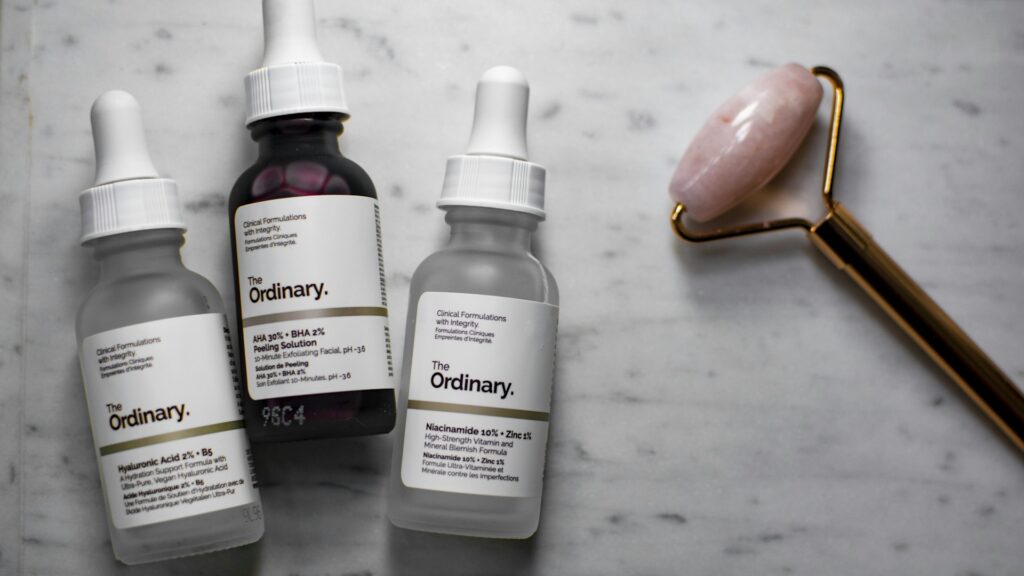
Niacinamide, also known as vitamin B3, is a versatile skincare ingredient that strengthens the skin barrier, regulates sebum production, and reduces inflammation. While it doesn’t directly kill acne bacteria, it creates an environment less conducive to breakouts. By controlling oil and soothing irritation, niacinamide helps prevent new acne and calms existing blemishes. In 2026, popular U.S. products include CeraVe PM Facial Moisturizing Lotion, The Ordinary Niacinamide 10% + Zinc 1%, and La Roche-Posay Effaclar Serum. Niacinamide is generally well-tolerated and pairs well with other active ingredients, making it a staple in many acne routines.
Key Differences in Mechanism of Action
Azelaic acid directly targets multiple acne pathways: antimicrobial, anti-inflammatory, and exfoliating. Niacinamide focuses on barrier support and oil regulation. For active acne, azelaic acid acts faster; for prevention and maintenance, niacinamide excels.
Benefits of Azelaic Acid for Acne
- Antibacterial: Effectively kills acne-causing bacteria.
- Anti-inflammatory: Reduces redness and swelling of pimples.
- Hyperpigmentation: Lightens dark spots from acne scars.
- Comedolytic: Prevents clogged pores without excessive peeling.
- Safe for all skin tones: No risk of hypopigmentation.
Benefits of Niacinamide for Acne
- Oil control: Reduces sebum production.
- Barrier repair: Strengthens skin to resist irritation.
- Anti-inflammatory: Calms redness and sensitivity.
- Pore-minimizing: Improves appearance of enlarged pores.
- Compatible with other actives: Can be layered with retinoids or acids.
Risks and Side Effects: Azelaic Acid vs Niacinamide
Azelaic acid may cause initial stinging, itching, or peeling, especially at higher concentrations. It’s generally safe but can be irritating for very sensitive skin. Niacinamide is mostly well-tolerated, though some people experience flushing or irritation if using too high a concentration (over 10%). Rarely, niacinamide can cause breakouts in those sensitive to zinc.
| Ingredient | Common Side Effects | Severity |
|---|---|---|
| Azelaic Acid | Stinging, itching, mild peeling | Moderate, resolves with continued use |
| Niacinamide | Flushing, slight irritation | Mild, usually temporary |
Expert Insight: Dermatologist’s Perspective
Dr. Jennifer Lee, a board-certified dermatologist in Los Angeles, explains: “For patients with active inflammatory acne and post-inflammatory hyperpigmentation, I often recommend azelaic acid as a first-line agent. Niacinamide is excellent for maintenance and for those with oily or sensitive skin. Combining both can be synergistic, but start slowly to avoid irritation.” This reflects a growing trend in 2026 U.S. dermatology: personalized combination therapy for acne.
Common Mistakes When Using Azelaic Acid and Niacinamide
- Applying too many actives at once – leads to barrier damage.
- Using high-concentration niacinamide (15%+) – unnecessary and can irritate.
- Not using sunscreen – both ingredients can increase photosensitivity indirectly.
- Skipping moisturizer – especially with azelaic acid, which can be drying.
Best Practices for Incorporating Them into Your Routine
Start with one active at a time. For azelaic acid, begin with 10% every other night, then gradually increase. Apply after cleansing and before moisturizer. Niacinamide can be used both morning and night; 5% is a good starting point. If combining, use niacinamide in the morning and azelaic acid in the evening, or patch test first. Always follow with a broad-spectrum SPF 30+ in the morning. For more acne treatment options, check out our 2026 Acne Medication Guide.

Azelaic Acid vs Niacinamide: Which Should You Choose in 2026?
The answer depends on your skin type and acne severity. If you have inflammatory acne and dark spots, azelaic acid may be more effective. If you struggle with oily skin, mild breakouts, or barrier sensitivity, niacinamide is a gentler choice. Many American users switch between them seasonally. Ultimately, both are valuable tools. For a deeper dive into other acne treatments, read our Sulfur Acne Treatments 2026 article. Also, consult the American Academy of Dermatology’s acne guidelines for evidence-based advice.
Sıkça Sorulan Sorular
Can I use azelaic acid and niacinamide together?
Yes, they can be used together. Niacinamide is often applied in the morning and azelaic acid in the evening to avoid irritation. Some products combine both. Always patch test first.
Which is better for acne scars: azelaic acid or niacinamide?
Azelaic acid is more effective for treating hyperpigmentation from acne scars. Niacinamide helps improve overall skin texture but may not be as potent for dark spots.
How long does it take for azelaic acid to work on acne?
Most people see improvement in 4 to 8 weeks when using azelaic acid consistently. Full results for hyperpigmentation may take up to 12 weeks.
Does niacinamide purge acne?
Niacinamide typically does not cause purging. If you experience breakouts, it may be due to irritation or other ingredients in the product. Reduce frequency if that occurs.
What percentage of niacinamide is best for acne?
For acne, a 5% to 10% concentration is effective. Higher concentrations (15% or more) can cause irritation without added benefits.
Can azelaic acid be used during pregnancy?
Yes, azelaic acid is considered safe during pregnancy, unlike many other acne treatments. However, always consult your obstetrician or dermatologist.
Which ingredient is better for oily skin: azelaic acid or niacinamide?
Both help control oil. Niacinamide regulates sebum production, while azelaic acid reduces inflammation and prevents clogged pores. For oily skin, niacinamide may be more directly effective.
Choosing between azelaic acid and niacinamide for acne doesn’t have to be a battle. Both ingredients offer unique benefits: azelaic acid excels at fighting active acne and fading marks, while niacinamide strengthens the skin barrier and controls oil. For best results in 2026, consider your specific skin concerns and start with one ingredient before adding the other. Remember to pair your chosen active with a gentle cleanser, moisturizer, and sunscreen. Beaute Cosmetic is your go-to resource for evidence-based skincare advice. Explore our other acne-related articles to build a routine that truly works. Clear skin is within reach!
- Azelaic acid vs niacinamide for acne ile ilgili son gelişmeler, kullanıcı deneyimlerini olumlu yönde etkilemektedir.
- Uzmanlar, azelaic acid vs niacinamide for acne kullanımında bu rehberde belirtilen adımların takip edilmesini önermektedir.
- Gelecek güncellemelerle birlikte azelaic acid vs niacinamide for acne alanındaki yeniliklerin daha da genişlemesi bekleniyor.