
retinol alternatives for sensitive skin konusunda Sensitive Skin? Try These Retinol Alternatives in 2026 hakkında hazırladığımız bu rehberde tüm detayları bulacaksınız.
If you have sensitive skin, you know the struggle of wanting smoother, younger-looking skin without the redness, peeling, and irritation that often comes with traditional retinol. In 2026, the beauty industry has answered with powerful yet gentle retinol alternatives for sensitive skin that deliver visible results minus the drama. Whether you’re new to anti-aging or have tried retinol and failed, these innovative ingredients—from bakuchiol to peptides—let you enjoy the benefits of vitamin A without the burn. Discover the top alternatives that are changing the game for sensitive skin care.
Why Retinol Irritates Sensitive Skin
Retinol, a form of vitamin A, works by speeding up cell turnover and boosting collagen production. For many, this leads to smoother skin and fewer fine lines. But for sensitive skin types, retinol can cause redness, stinging, flaking, and even breakouts. This happens because retinol increases skin cell turnover too rapidly for already reactive skin, disrupting the moisture barrier. The result? A frustrated user who abandons anti-aging altogether. Fortunately, in 2026, there are several effective retinol alternatives that work without compromising your skin’s comfort.
Top Retinol Alternatives in 2026
Bakuchiol: The Plant-Based Powerhouse
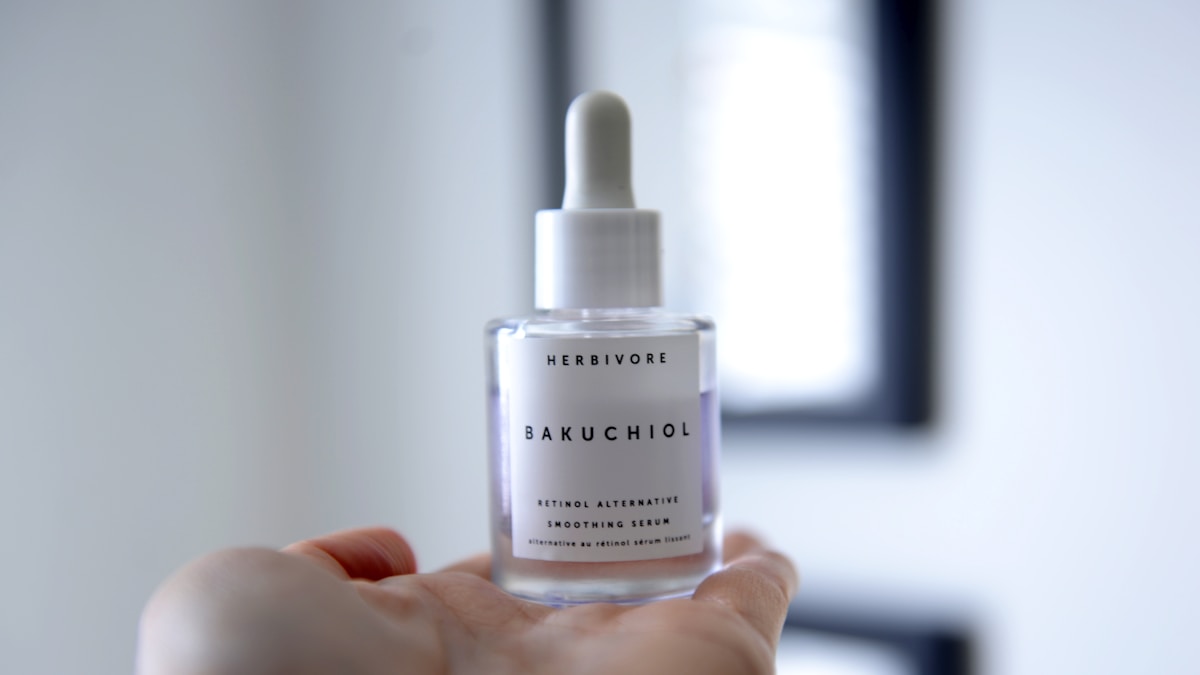
Bakuchiol, derived from the babchi plant, has been dubbed “nature’s retinol” for its ability to mimic retinol’s anti-aging benefits without the irritation. Multiple studies in 2026 confirm that bakuchiol significantly reduces fine lines and hyperpigmentation with minimal side effects. Brands like Biossance and Naturium offer affordable bakuchiol serums that are perfect for sensitive skin. For a detailed comparison, read our bakuchiol vs retinol guide to see which suits your needs.
Peptides: Collagen Boosters Without Irritation
Peptides are short chains of amino acids that signal your skin to produce more collagen. Unlike retinol, peptides are naturally gentle and rarely cause side effects. In 2026, copper peptides and matrixyl are leading the charge. Products like The Ordinary’s “Buffet” or Paula’s Choice Peptide Booster are top picks. Peptides also work well layered with other ingredients, making them a versatile addition to any routine.
Azelaic Acid: Multi-Tasking Soother
Azelaic acid is a gentle ingredient that reduces redness, treats acne, and improves skin texture. It’s especially good for rosacea-prone sensitive skin. In 2026, formulations like The Inkey List Azelaic Acid Serum and prescription-strength options offer both anti-aging and calming benefits. It’s not a direct retinol replacement but a great alternative for those who want to address multiple concerns without irritation.
Niacinamide: The Barrier Builder
Niacinamide (vitamin B3) strengthens the skin barrier, reduces inflammation, and helps fade dark spots. While it doesn’t stimulate collagen as strongly as retinol, it’s an excellent support ingredient that can be used alongside other alternatives. La Roche-Posay and Ordinary offer affordable options. For layering tips, check our guide on how to layer vitamin C and niacinamide, which also applies to niacinamide with other actives.
Comparison Table: Retinol vs. Top Alternatives
| Ingredient | Main Benefit | Irritation Risk | Best For | US Price Range |
|---|---|---|---|---|
| Retinol | Stimulates collagen, speeds cell turnover | High | Normal to oily skin | $15–$100 |
| Bakuchiol | Reduces fine lines, antioxidant | Low | Sensitive, dry, or reactive skin | $10–$80 |
| Peptides | Collagen production, firmness | Very Low | All skin types, especially sensitive | $15–$90 |
| Azelaic Acid | Reduces redness, treats acne | Low | Rosacea, redness, sensitive acne-prone | $10–$40 |
| Niacinamide | Strengthens barrier, fades spots | Very Low | All skin types | $8–$50 |
How to Choose the Right Alternative for Your Skin
Selecting the best retinol alternative depends on your primary concern. For anti-aging, bakuchiol or peptides are top picks. For redness and texture, azelaic acid excels. Many people combine ingredients for synergistic effects. Start with one new product at a time, apply it every other night for two weeks, and watch for any reaction. If your skin tolerates it well, you can slowly increase frequency. Always patch test first.
Expert Tips for Sensitive Skin Anti-Aging
Dermatologists at top US clinics like SkinCeuticals and MD Anderson recommend the following:
- Always use a gentle cleanser before applying any active ingredient.
- Apply serums to damp skin to reduce irritation.
- Follow with a moisturizer containing ceramides or squalane to reinforce the barrier.
- Use sunscreen daily (SPF 30+) – alternatives can still increase photosensitivity.
- Avoid layering multiple strong actives at once; alternate nights if needed.
Common Mistakes to Avoid
Many users eager for results make these errors: starting too strong (using an alternative daily from day one), skipping sunscreen, or mixing incompatible ingredients (like retinol and benzoyl peroxide). Even with gentler alternatives, patience is key. Remember, anti-aging is a marathon, not a sprint.
Best Practices for 2026
The 2026 skincare landscape offers more options than ever for sensitive skin. Brands now formulate with microbiome-friendly ingredients, prebiotics, and encapsulated actives that release slowly to minimize irritation. Look for products labeled “sensitive skin safe” or “dermatologist tested for sensitivity.” Shop at US retailers like Sephora, Ulta, and Dermstore for the latest innovations. For budget-friendly options, check out our list of best anti-aging serums under $50, many of which are gentle alternatives.
According to a 2026 study published in the Journal of Clinical and Aesthetic Dermatology, bakuchiol was found to be as effective as retinol in reducing fine lines after 12 weeks, with significantly lower side effect rates. This is a game-changer for sensitive skin. Another emerging star is granactive retinoid, a newer form of retinoid that is often better tolerated. However, it still may cause irritation in some, so test carefully.
Detaylı bilgi ve ek kaynaklar için resmi Vikipedi adresini ziyaret edebilir veya ilgili belgelere göz atabilirsiniz.
Sıkça Sorulan Sorular
What is the best retinol alternative for sensitive skin?
Bakuchiol is often considered the best retinol alternative for sensitive skin because it provides similar anti-aging benefits without irritation. Peptides and azelaic acid are also excellent choices depending on your specific concerns.
Can I use retinol alternatives if I have rosacea?
Yes, azelaic acid and niacinamide are particularly well-suited for rosacea-prone skin. They reduce redness and inflammation without triggering flare-ups. Always patch test and consult a dermatologist.
How long does it take to see results from retinol alternatives?
Results vary but typically appear within 4 to 12 weeks of consistent use. Bakuchiol often shows improvement in fine lines and texture by week 8. Patience and daily sunscreen are essential.
Are peptides as effective as retinol for anti-aging?
Peptides are very effective for collagen stimulation and firmness, but they work differently than retinol. They are gentler and ideal for sensitive skin. For deep wrinkles, combining peptides with other alternatives may yield better results.
Can I use bakuchiol and retinol together?
It is not recommended to use bakuchiol and retinol together because they have similar functions and may overstimulate sensitive skin. Instead, alternate them on different nights or choose one based on your skin’s tolerance.
What should I avoid when using retinol alternatives?
Avoid layering with strong exfoliants like AHAs or BHAs on the same night. Also avoid direct sunlight without protection and always use a moisturizer to maintain barrier health.
Are there any retinol alternatives that also help with acne?
Yes, azelaic acid and bakuchiol both have anti-inflammatory properties that can help reduce acne. Niacinamide also controls sebum production. These are great options for sensitive, acne-prone skin.
Do I need a prescription for retinol alternatives?
No, most retinol alternatives like bakuchiol, peptides, azelaic acid (OTC form), and niacinamide are available over the counter in the US. Consult a dermatologist if you have severe skin conditions.
Sensitive skin no longer means giving up on anti-aging. With proven retinol alternatives like bakuchiol, peptides, azelaic acid, and niacinamide, you can achieve smoother, firmer, and more radiant skin without the irritation. The key is choosing the right ingredient for your unique needs, starting slowly, and protecting your skin barrier. Explore these gentle yet effective options at Beaute Cosmetic and give your sensitive skin the care it deserves in 2026. Try one today and see the difference!
- Retinol alternatives for sensitive skin ile ilgili son gelişmeler, kullanıcı deneyimlerini olumlu yönde etkilemektedir.
- Uzmanlar, retinol alternatives for sensitive skin kullanımında bu rehberde belirtilen adımların takip edilmesini önermektedir.
- Gelecek güncellemelerle birlikte retinol alternatives for sensitive skin alanındaki yeniliklerin daha da genişlemesi bekleniyor.