Navigating the world of acne treatments can be overwhelming, especially when deciding between prescription vs OTC acne treatments. In 2026, new formulations and FDA approvals have expanded options for clear skin, from drugstore staples to advanced dermatologist-prescribed therapies. This comprehensive guide breaks down what works, what doesn’t, and how to choose based on your skin type, severity, and budget. Whether you’re dealing with occasional breakouts or persistent cystic acne, understanding the differences—and synergies—between over-the-counter and prescription solutions is the first step toward a clearer complexion.
Understanding the Differences Between Prescription and OTC Acne Treatments
The fundamental distinction between OTC and prescription acne treatments lies in their active ingredient concentrations and regulatory oversight. Over-the-counter products contain lower doses of proven ingredients like benzoyl peroxide (up to 10%) and salicylic acid (up to 2%), making them suitable for mild to moderate acne. Prescription medications, on the other hand, often feature higher concentrations, stronger retinoids, or combination formulas that require a dermatologist’s supervision due to potential side effects. In 2026, the line has blurred slightly with some OTC products incorporating ingredients once only available by prescription, such as adapalene (now OTC at 0.1%). However, for moderate to severe acne, dermatologists still recommend prescription-strength options. For a deeper dive into hormonal acne specifically, check out our article on Hormonal Acne Treatment 2026: New OTC vs Prescription Options, which covers targeted therapies for hormonal breakouts.
Top OTC Acne Treatments in 2026: Ingredients and Products
Benzoyl Peroxide and Salicylic Acid Classics
Benzoyl peroxide remains a gold-standard OTC ingredient for its ability to kill acne-causing bacteria (Cutibacterium acnes) and clear pores. In 2026, new microencapsulated formulations reduce irritation while maintaining efficacy. Products like Neutrogena Stubborn Acne AM Treatment (with 3.5% benzoyl peroxide) and PanOxyl 10% Acne Foaming Wash are top picks. Salicylic acid, a beta-hydroxy acid, excels at exfoliating dead skin cells inside pores and works well for blackheads and whiteheads. Popular options include CeraVe Acne Control Cleanser (2% salicylic acid) and Paula’s Choice 2% BHA Liquid Exfoliant. These are readily available at drugstores across the U.S., from CVS to Walgreens, and cost between $8 and $30.
Newer OTC Options: Azelaic Acid and Niacinamide
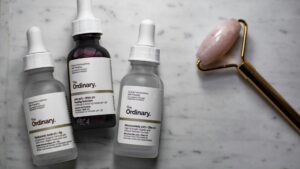
Azelaic acid has gained traction as an OTC acne fighter, especially for those with sensitive skin or hyperpigmentation. In 2026, brands like The Ordinary (10% Azelaic Acid Suspension) and Naturium (Azelaic Acid Topical Acid 10%) offer affordable options. Niacinamide, a form of vitamin B3, helps regulate oil production and reduce inflammation. It’s found in serums like La Roche-Posay Niacinamide 10 Serum and CeraVe PM Facial Moisturizing Lotion. These ingredients are particularly effective when combined with other treatments; for a comparison of niacinamide and azelaic acid, read our article on Azelaic Acid vs Niacinamide for Acne: Which Works Better in 2026?.
Prescription Acne Medications: When to See a Dermatologist
If OTC products fail to improve acne after 8–12 weeks, or if acne is severe, cystic, or scarring, it’s time to consult a dermatologist. Prescription treatments work faster and target deeper inflammation, but they require medical oversight due to potential side effects.
Topical Retinoids and Antibiotics
Topical retinoids like tretinoin, tazarotene, and trifarotene are prescription gold standards. They normalize skin cell turnover and prevent comedones. In 2026, newer formulations like tretinoin 0.05% microsphere gel reduce irritation. Combination products, such as clindamycin-benzoyl peroxide (e.g., Duac) or adapalene-benzoyl peroxide (Epiduo), tackle both bacteria and clogged pores. These are typically covered by U.S. insurance with copays around $15–50, but cash prices can exceed $200 per tube.
Oral Medications: Spironolactone and Isotretinoin
For hormonal acne in women, spironolactone is increasingly prescribed off-label. It blocks androgen receptors, reducing sebum production. Dosages range from 25–200 mg daily. Isotretinoin (formerly Accutane) remains the most powerful treatment for severe, resistant acne. In 2026, new branded versions like Absorica LD offer improved absorption with lower doses. Oral antibiotics (doxycycline, minocycline) are used short-term to control inflammation. All oral medications require regular blood tests and monitoring.
Benefits and Limitations of Prescription vs OTC Treatments
Choosing between prescription and OTC involves weighing efficacy, cost, and convenience. The table below summarizes key differences.
| Factor | OTC Acne Treatments | Prescription Acne Treatments |
|---|---|---|
| Effectiveness | Good for mild to moderate acne; slower results (4–8 weeks) | Faster, stronger; suitable for moderate to severe acne (2–4 weeks) |
| Cost (monthly) | $10–$40 out-of-pocket | $15–$300 (depending on insurance and copay) |
| Side Effects | Mild dryness, redness, peeling | Moderate to severe: irritation, sun sensitivity, rare systemic effects |
| Access | No prescription needed; available at drugstores, online | Requires dermatologist visit; may need prior authorization |
| Ingredients | Benzoyl peroxide, salicylic acid, azelaic acid, adapalene | Tretinoin, tazarotene, isotretinoin, spironolactone, antibiotics |
Expert Insights: How Beaute Cosmetic Experts Choose
At Beaute Cosmetic, we recommend starting with OTC products containing benzoyl peroxide or adapalene for mild acne. If no improvement occurs in 12 weeks, step up to a prescription retinoid. For hormonal acne, spironolactone combined with a topical retinoid often yields the best results. Our editorial team emphasizes that consistency is key: even the best prescription won’t work if you skip doses. Always pair treatments with a gentle cleanser and non-comedogenic moisturizer. For example, the CeraVe PM Moisturizer is a favorite because it contains niacinamide without clogging pores. Remember, acne is a medical condition, not a cosmetic flaw—don’t hesitate to seek professional help.
Common Mistakes in Acne Treatment
One of the most frequent errors is overusing products. Applying multiple actives (e.g., benzoyl peroxide + salicylic acid + retinol) without breaks can strip the skin barrier, causing rebound breakouts. Another mistake is expecting overnight results; acne treatments typically require 8–12 weeks to show improvement. Skipping sunscreen is a critical blunder, as many acne ingredients increase sun sensitivity. Finally, picking or popping pimples leads to scarring and inflammation. Stick to a simple routine: cleanse, treat, moisturize, protect. And always patch-test new products.
Best Practices for a Clear Skin Routine
To maximize results from prescription vs OTC acne treatments, follow these steps:
- Start low and go slow: Introduce new actives gradually (2–3 times per week) to minimize irritation.
- Use oil-free, non-comedogenic sunscreens daily (SPF 30+). Look for brands like EltaMD UV Clear or Supergoop Unseen Sunscreen.
- Combine treatments strategically: For example, use a benzoyl peroxide wash in the morning and a prescription retinoid at night.
- Moisturize: Even oily skin needs hydration. Opt for gel-based formulas like Neutrogena Hydro Boost Water Gel.
- Consult a dermatologist before mixing oral and topical prescriptions to avoid adverse interactions.
Detaylı bilgi ve ek kaynaklar için resmi Vikipedi adresini ziyaret edebilir veya ilgili belgelere göz atabilirsiniz.
Sıkça Sorulan Sorular
Can I use OTC and prescription acne treatments together?
Yes, but cautiously. For example, using a benzoyl peroxide wash in the morning with a prescription retinoid at night is safe and effective. However, avoid combining multiple exfoliating acids or retinoids without dermatologist guidance, as this can cause severe irritation.
How long does it take for prescription acne treatments to work?
Most prescription treatments show initial improvement within 4–8 weeks, with full results at 12 weeks. Isotretinoin typically requires 4–6 months. Consistency is crucial, and some breakouts may occur as the skin adjusts.
What is the best OTC acne treatment for hormonal acne?
OTC options like adapalene (Differin) and azelaic acid (The Ordinary) can help, but hormonal acne often responds better to prescription spironolactone. For mild cases, benzoyl peroxide and niacinamide may reduce breakouts.
Are prescription acne treatments covered by insurance?
Most U.S. insurance plans cover topical retinoids and oral antibiotics, but spironolactone and isotretinoin may require prior authorization. Generic versions are usually more affordable. Check your plan’s formulary or use GoodRx for cash prices.
What are the side effects of prescription acne medications?
Common side effects include dryness, redness, peeling, and sun sensitivity. Oral isotretinoin can cause dry eyes, joint pain, and elevated liver enzymes; it requires monthly blood tests. Spironolactone may cause dizziness or irregular periods. Always discuss with your doctor.
Can I get prescription acne treatments online?
Yes, many telemedicine services like Hers, Curology, and DermatologistOnCall offer online consultations and prescription delivery. However, severe acne may still require an in-person visit for procedures like extractions or intralesional injections.
Which is cheaper: OTC or prescription acne treatment?
OTC treatments are generally cheaper upfront ($10–$40 per month). With insurance, prescription copays can be as low as $15, but without insurance, a single retinoid tube can cost $200–$800. Consider total cost including doctor visits.
Deciding between prescription vs OTC acne treatments in 2026 ultimately depends on your acne severity, skin type, and budget. For mild breakouts, OTC products with benzoyl peroxide or adapalene are effective and accessible. If acne is persistent, inflamed, or scarring, prescription options offer faster, more powerful solutions. Remember that clear skin is a journey, not an overnight fix. At Beaute Cosmetic, we recommend starting with a consistent basic routine and consulting a board-certified dermatologist if OTC options fail. Explore more expert guides on our site to build the perfect skincare regimen for your unique needs.
- Prescription vs OTC acne treatments ile ilgili son gelişmeler, kullanıcı deneyimlerini olumlu yönde etkilemektedir.
- Uzmanlar, prescription vs OTC acne treatments kullanımında bu rehberde belirtilen adımların takip edilmesini önermektedir.
- Gelecek güncellemelerle birlikte prescription vs OTC acne treatments alanındaki yeniliklerin daha da genişlemesi bekleniyor.