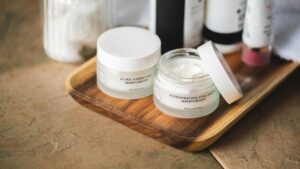
Finding a moisturizer that hydrates without clogging pores is the holy grail for oily skin types. In 2026, the market is brimming with non-comedogenic moisturizers for oily skin, ranging from affordable drugstore staples to high-end luxury formulas. But with so many options, how do you choose the one that fits your skin and budget? At Beaute Cosmetic, we’ve tested the latest launches to bring you an unbiased comparison of drugstore vs luxury non-comedogenic moisturizers. Whether you’re in New York or Los Angeles, our guide will help you achieve a balanced, shine-free complexion without breaking the bank.
What Makes a Moisturizer Non-Comedogenic?
Non-comedogenic means the product is formulated to not clog pores, a critical feature for oily and acne-prone skin. Ingredients like silicones, mineral oil, and certain esters are common culprits of pore blockage. In contrast, non-comedogenic moisturizers rely on lightweight, oil-free bases such as glycerin, hyaluronic acid, and dimethicone. Many also include active ingredients like niacinamide, salicylic acid, or ceramides to regulate sebum and strengthen the skin barrier. The FDA does not regulate the term “non-comedogenic,” so it’s important to rely on reputable brands and ingredient knowledge. Dermatologists in major U.S. cities often recommend checking for a label that reads “oil-free,” “won’t clog pores,” or “non-acnegenic.” For a deeper dive into acne-fighting ingredients, read our guide on Azelaic Acid vs Niacinamide for Acne.
Top Drugstore Non-Comedogenic Moisturizers for Oily Skin 2026
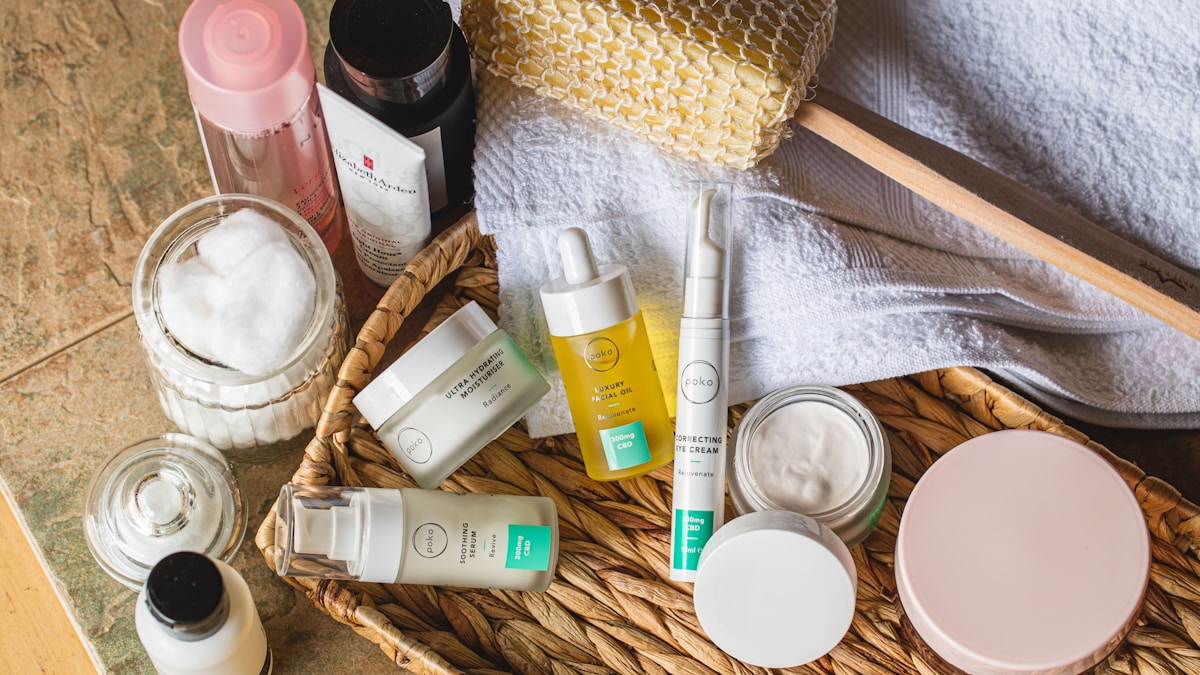
Drugstore brands have stepped up their game, offering dermatologist-approved formulas that rival luxury counterparts. Here are our top picks for 2026, all available at U.S. retailers like CVS, Target, and Ulta. Prices range from $10 to $25.
| Product | Key Ingredients | Texture | Price (USD) | Best For |
|---|---|---|---|---|
| CeraVe PM Facial Moisturizing Lotion | Niacinamide, ceramides, hyaluronic acid | Lightweight gel-cream | $16 | Daily hydration and barrier support |
| Neutrogena Hydro Boost Water Gel | Hyaluronic acid, glycerin | Oil-free gel | $20 | Intense hydration without residue |
| La Roche-Posay Effaclar Mat Oil-Free Mattifying Moisturizer | Salicylic acid, perlite, sebulyse | Matte gel | $22 | Sebum control and pore refinement |
| The Ordinary Natural Moisturizing Factors + HA | Amino acids, hyaluronic acid, ceramides | Lightweight cream | $10 | Affordable basic hydration |
These drugstore options excel in providing essential hydration without heaviness. Many users in humid climates like Florida praise the Neutrogena Hydro Boost for its instantly absorbing gel formula. If you have sensitive oily skin, the CeraVe PM is fragrance-free and non-comedogenic, making it a safe bet.
Luxury Non-Comedogenic Moisturizers Worth the Splurge
Luxury brands invest in advanced formulations and sensorial experiences. For those willing to spend more, these high-end options deliver exceptional results with elegant textures. Prices range from $40 to $80.
| Product | Key Ingredients | Texture | Price (USD) | Best For |
|---|---|---|---|---|
| Kiehl’s Ultra Facial Oil-Free Gel Cream | Imperata cylindrica root extract, antarcticine | Lightweight gel | $42 | Long-lasting hydration and cooling effect |
| Drunk Elephant Protini Polypeptide Cream | Signal peptides, growth factors, pygmy waterlily | Rich yet non-greasy cream | $68 | Anti-aging and firmness |
| SkinCeuticals Hydrating B5 Gel | Vitamin B5, hyaluronic acid | Gel | $80 | Deep hydration and plumping |
| Tatcha The Water Cream | Japanese wild rose, leopard lily, hyaluronic acid | Oil-free gel-cream | $70 | Luxurious feel with pore-minimizing effect |
Luxury moisturizers often incorporate unique botanical extracts and sophisticated delivery systems. For example, Tatcha’s Water Cream uses a time-released hydration system that keeps skin balanced all day. While the price is higher, the concentration of active ingredients can justify the cost for many.
Drugstore vs Luxury: Key Differences and Which to Choose
The main differences lie in ingredient sourcing, formulation complexity, and packaging. Drugstore products focus on proven actives at accessible prices, while luxury brands invest in patented technologies and aesthetic appeal. For most people with oily skin, a drugstore moisturizer like CeraVe PM provides all the necessary benefits without irritation. However, if you have additional concerns like aging or hyperpigmentation, a luxury product with peptides or hexapeptides might offer added value. Consider your budget and skin goals. A common mistake is assuming luxury means better performance—many drugstore options are equally effective, as shown by dermatologist surveys. In fact, a 2025 survey by the American Academy of Dermatology found that most dermatologists recommend drugstore brands for basic skincare needs.
How to Choose the Best Non-Comedogenic Moisturizer for Your Skin
Benefits of Non-Comedogenic Moisturizers
- Prevents breakouts and clogged pores.
- Provides essential hydration without greasiness.
- Often includes sebum-control ingredients like salicylic acid or niacinamide.
- Safe for acne-prone and sensitive skin types.
Risks and Limitations
- Some may be too lightweight for dry areas, requiring layered hydration.
- Not all non-comedogenic claims are regulated; patch test first.
- Luxury versions can cause irritation due to essential oils or fragrances.
Common Mistakes When Using Moisturizers for Oily Skin
- Skipping moisturizer altogether, which can lead to rebound oiliness.
- Using too heavy a formula, causing congestion.
- Applying on damp skin without letting previous products absorb.
- Not checking the ingredient list for hidden pore-cloggers like coconut oil.
Best Practices for a Balanced Skincare Routine
- Cleanse with a gentle, non-stripping cleanser before moisturizing.
- Apply moisturizer to slightly damp skin to lock in hydration.
- Layering order: water-based products first, then oil-free moisturizer.
- For daytime, choose a moisturizer with SPF or follow with sunscreen.
- Nighttime: consider a lightweight gel that includes actives like niacinamide.
Expert Insight: The Editorial Perspective
From our testing at Beaute Cosmetic, we’ve seen that the best non-comedogenic moisturizer for oily skin is one that you’ll use consistently. Drugstore options have come a long way—many are now fragrance-free, allergy-tested, and backed by dermatological research. Luxury brands offer a sensory upgrade but not necessarily superior efficacy. For most readers in the U.S., we recommend starting with a drugstore favorite like CeraVe PM or Neutrogena Hydro Boost; if you have specific concerns like anti-aging, consider a splurge like Tatcha Water Cream. Always introduce new products slowly and monitor your skin’s response.
Detaylı bilgi ve ek kaynaklar için resmi Vikipedi adresini ziyaret edebilir veya ilgili belgelere göz atabilirsiniz.
Sıkça Sorulan Sorular
What does non-comedogenic mean?
Non-comedogenic means the product is formulated to not clog pores. It’s a crucial label for those with oily or acne-prone skin, as clogged pores can lead to breakouts.
Can non-comedogenic moisturizers cause breakouts?
While they are designed not to clog pores, individual reactions vary. Some people may still break out due to specific ingredients like fatty alcohols or silicones. Always patch test new products.
Are drugstore non-comedogenic moisturizers as effective as luxury ones?
Yes, many drugstore moisturizers contain the same key actives (niacinamide, hyaluronic acid) as luxury brands and are often recommended by dermatologists. Luxury versions may offer better texture and additional anti-aging ingredients.
How do I know if a moisturizer is truly non-comedogenic?
Look for a label that explicitly says “non-comedogenic” or “won’t clog pores.” Check the ingredient list for oil-free bases and avoid common pore-cloggers like coconut oil or isopropyl myristate.
Should I skip moisturizer if I have oily skin?
No. Skipping moisturizer can cause your skin to produce more oil to compensate. A lightweight, non-comedogenic moisturizer helps maintain hydration and balance sebum production.
What ingredients should I look for in a non-comedogenic moisturizer for oily skin?
Look for hyaluronic acid, glycerin, niacinamide, salicylic acid, ceramides, and dimethicone. These hydrate without clogging pores and may help control oil.
Can I use a non-comedogenic moisturizer if I have acne?
Absolutely. Non-comedogenic moisturizers are ideal for acne-prone skin as they provide necessary hydration without worsening breakouts. Many even include acne-fighting ingredients like niacinamide.
How often should I apply non-comedogenic moisturizer?
Apply twice daily—morning and night—after cleansing. For daytime, follow with sunscreen. Adjust frequency based on your skin’s needs; if you feel dry, you can reapply a light layer.
Choosing the best non-comedogenic moisturizer for oily skin in 2026 doesn’t have to be overwhelming. Whether you opt for an affordable drugstore gem like CeraVe PM or a luxury indulgent like Tatcha Water Cream, the key is to prioritize ingredients that hydrate without clogging pores. At Beaute Cosmetic, we recommend starting with a drugstore favorite and upgrading only if your skin demands more targeted benefits. Remember, consistency and patience are your best allies. Explore our other guides, such as Hormonal Acne Treatment 2026, to build a complete skincare routine that works for you. Your journey to balanced, clear skin starts with the right moisturizer—pick wisely and shine on your own terms!
- Non-comedogenic moisturizers for oily skin ile ilgili son gelişmeler, kullanıcı deneyimlerini olumlu yönde etkilemektedir.
- Uzmanlar, non-comedogenic moisturizers for oily skin kullanımında bu rehberde belirtilen adımların takip edilmesini önermektedir.
- Gelecek güncellemelerle birlikte non-comedogenic moisturizers for oily skin alanındaki yeniliklerin daha da genişlemesi bekleniyor.