


When battling hair loss, minoxidil remains one of the most trusted treatments. But a key question arises: topical vs oral minoxidil—which works better for hair growth? Originally approved as a topical solution for male and female pattern baldness, minoxidil has gained popularity in oral form as an off-label treatment. At Beaute Cosmetic, we break down the differences in effectiveness, side effects, convenience, and cost to help you decide. Whether you’re in New York, Los Angeles, or Chicago, understanding these options is crucial for restoring your hair.
How Topical and Oral Minoxidil Work
Both forms use the same active ingredient—minoxidil—which stimulates hair follicles and prolongs the growth phase. Topical minoxidil, sold under brands like Rogaine, is applied directly to the scalp. Oral minoxidil, originally a blood pressure medication, is taken as a pill and works systemically. The key difference is delivery: topical targets the scalp locally, while oral affects the whole body. This distinction influences efficacy and side effect profiles.
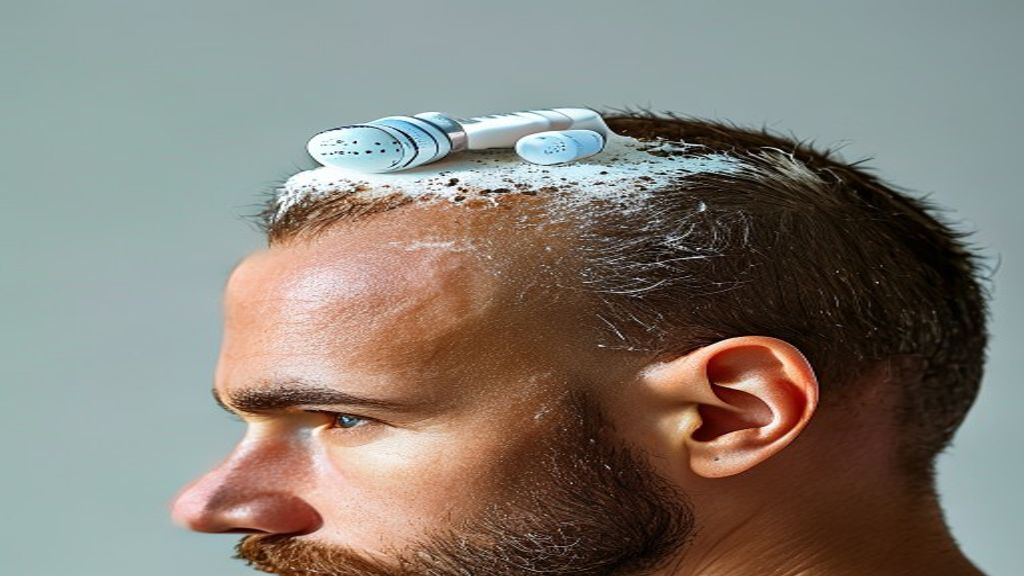
Efficacy Comparison: Which Grows More Hair?
Studies show both forms can regrow hair, but oral minoxidil often produces more dramatic results in certain patients. A 2020 JAMA Dermatology study found that low-dose oral minoxidil (0.5–5 mg daily) was effective for androgenetic alopecia, with up to 80% of patients experiencing improvement. Topical minoxidil, meanwhile, has decades of data supporting its efficacy, though results vary by individual. For many, the convenience of a pill versus daily topical application makes oral minoxidil appealing.
Topical Minoxidil: Pros, Cons, and Best Practices
Pros of Topical Minoxidil
- Targeted application minimizes systemic side effects
- Well-studied and FDA-approved for hair loss
- Available over the counter without a prescription
- Lower risk of cardiovascular side effects
Cons of Topical Minoxidil
- Scalp irritation, redness, or flaking in some users
- Requires consistent daily application to maintain results
- May cause unwanted facial hair if accidentally transferred
- Less effective for patients with poor scalp absorption
Best Practices for Topical Minoxidil
Apply to a dry scalp twice daily. Use the dropper to part hair and apply directly to the thinning areas. Massage gently. Wash hands after application. Stick with it for at least 4–6 months to see initial results. Avoid using on wet hair, as it can dilute the medication. For those with sensitive skin in humid cities like Houston or Miami, consider the foam version.
Oral Minoxidil: Pros, Cons, and Best Practices
Pros of Oral Minoxidil
- No scalp application required—just a daily pill
- Possibly more effective for diffuse thinning
- Consistent delivery without absorption issues
- Often cheaper than brand-name topical solutions
Cons of Oral Minoxidil
- Off-label use; requires a prescription
- Potential side effects: dizziness, fluid retention, hypertrichosis (excess hair growth on face/body)
- Rare but serious risks: pericardial effusion, tachycardia
- Not suitable for patients with low blood pressure
Best Practices for Oral Minoxidil
Start with a low dose (0.625–1.25 mg daily) under a doctor’s supervision. Monitor blood pressure and heart rate. Report any swelling or palpitations immediately. Combine with finasteride for maximum results if appropriate. Oral minoxidil is especially popular among busy professionals in cities like San Francisco and Seattle who prefer a no-fuss routine.

Side Effects: Topical vs Oral Minoxidil
| Side Effect | Topical Minoxidil | Oral Minoxidil |
|---|---|---|
| Scalp irritation | Common (up to 7%) | Rare |
| Excess facial/body hair | Rare (if contact) | Common (15–20%) |
| Dizziness/low blood pressure | Very rare | Common (dose-dependent) |
| Fluid retention/swelling | None | Possible |
| Cardiac effects | None | Rare at low doses |
As the table shows, topical minoxidil primarily causes local side effects, while oral minoxidil carries more systemic risks. However, at low doses (under 2.5 mg), serious side effects are uncommon. Always consult a dermatologist before starting oral minoxidil.
Expert Insight: Choosing the Right Form for You
Dermatologists often recommend starting with topical minoxidil due to its safety and proven track record. However, oral minoxidil can be a game-changer for those who dislike topical application or have not responded to it. At Beaute Cosmetic, we’ve seen many patients in our Top 5 FDA-Approved Hair Growth Serums 2026: Real Results guide achieve success with oral minoxidil alongside other treatments. The choice depends on your lifestyle, medical history, and hair loss pattern.
Common Mistakes When Using Minoxidil
- Expecting overnight results—minoxidil needs 4–6 months to show benefit
- Applying topical on wet hair reduces absorption
- Stopping suddenly can cause shedding; taper off if needed
- Using oral minoxidil without medical supervision
- Ignoring scalp massage—enhances blood flow and absorption
Best Practices for Maximum Hair Growth
- Be consistent: daily application or pill intake
- Combine with a healthy diet rich in iron and biotin
- Use a derma roller (microneedling) to boost topical absorption
- Manage stress; cortisol worsens hair loss
- Consider pairing with finasteride (under a doctor’s care)
Detaylı bilgi ve ek kaynaklar için resmi OpenAI Araştırma Platformu adresini ziyaret edebilir veya ilgili belgelere göz atabilirsiniz.
Sıkça Sorulan Sorular
Can oral minoxidil cause more hair growth than topical?
Yes, oral minoxidil can produce more dramatic hair growth in some individuals because it works systemically. However, results vary, and topical minoxidil remains effective for many.
Is oral minoxidil safe for long-term use?
At low doses (0.625–2.5 mg daily), oral minoxidil is generally safe for long-term use under medical supervision. Regular monitoring of blood pressure and heart rate is recommended.
Does topical minoxidil work on the crown or hairline?
Topical minoxidil is FDA-approved for crown hair loss, but it can also help the hairline. It’s less effective for frontal baldness, but some users see regrowth.
How soon can I expect results from minoxidil?
Most users see initial results after 4–6 months of consistent use. Full results may take up to a year. Patience and adherence are key.
Can I switch from topical to oral minoxidil?
Yes, but should under a doctor’s guidance. You may need to taper topical while starting oral to avoid sudden shedding. Many switch if topical is inconvenient.
Does oral minoxidil increase body hair?
Yes, hypertrichosis (excess hair growth on face, arms, legs) is a common side effect of oral minoxidil, affecting up to 20% of users. It’s usually dose-dependent.
Is topical minoxidil effective for women?
Yes, topical minoxidil 2% is FDA-approved for women. The 5% version is also used off-label. Women may experience more facial hair growth if accidentally transferred.
Which is more affordable: topical or oral minoxidil?
Generic topical minoxidil is often cheaper than oral minoxidil, especially without insurance. Oral minoxidil pills are inexpensive but require office visits and monitoring.
Choosing between topical vs oral minoxidil ultimately depends on your preferences and medical profile. Topical remains the gold standard with decades of safety data, while oral offers convenience and potentially stronger results. At Beaute Cosmetic, we recommend consulting a dermatologist—especially if you’re in the US, where access to care is abundant. Remember, consistency is everything. Whether you apply the foam or swallow a pill, stick with it for at least 6 months. For more hair growth insights, explore our guides on FDA-approved serums and other treatments. Your journey to thicker hair starts today.
- Topical vs oral minoxidil ile ilgili son gelişmeler, kullanıcı deneyimlerini olumlu yönde etkilemektedir.
- Uzmanlar, topical vs oral minoxidil kullanımında bu rehberde belirtilen adımların takip edilmesini önermektedir.
- Gelecek güncellemelerle birlikte topical vs oral minoxidil alanındaki yeniliklerin daha da genişlemesi bekleniyor.