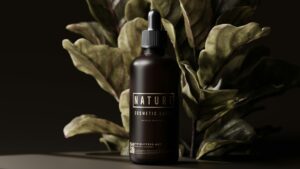

rosemary oil peppermint oil konusunda Rosemary Oil vs Peppermint Oil for Hair Growth: Which Wins 2026? hakkında hazırladığımız bu rehberde tüm detayları bulacaksınız.
When it comes to natural hair growth solutions, rosemary oil and peppermint oil are two of the most popular essential oils touted for their benefits. Both have been used for centuries in traditional medicine, but which one truly delivers results in 2026? This comprehensive guide from Beaute Cosmetic breaks down the science, benefits, risks, and practical usage of rosemary oil vs peppermint oil for hair growth, helping you make an informed decision.
The Science Behind Rosemary Oil and Peppermint Oil for Hair Growth
Rosemary oil (Rosmarinus officinalis) has been studied for its ability to improve scalp circulation and stimulate hair follicles. A 2015 study found that rosemary oil was as effective as minoxidil for androgenetic alopecia after six months, with less scalp itching. The key active compound, carnosic acid, helps repair nerve and tissue damage, potentially reversing hair thinning.
Peppermint oil (Mentha piperita) contains menthol, which increases blood flow to the scalp by vasodilation. A 2014 animal study showed that peppermint oil significantly increased the number and depth of hair follicles compared to minoxidil. The cooling sensation also has anti-inflammatory properties.
While both oils show promise, the mechanisms differ. Rosemary primarily supports circulation and antioxidant activity, while peppermint boosts blood flow and numbs pain. Understanding these differences helps tailor your choice.

Rosemary Oil vs Peppermint Oil: Key Differences and Benefits
Both oils offer unique advantages. Rosemary oil is often preferred for long-term use due to its milder scent and compatibility with DHT-blocking treatments. Peppermint oil provides a tingling sensation that many associate with effectiveness, but it can be irritating if overused.
| Aspect | Rosemary Oil | Peppermint Oil |
|---|---|---|
| Primary Mechanism | Improves circulation, antioxidant protection | Increases blood flow via menthol |
| Clinical Evidence | Strong human study comparable to minoxidil | Strong animal study, limited human data |
| Scent | Earthy, herbal | Strong, minty |
| Suitable for Sensitive Scalp | Yes, generally gentle | May cause irritation if not diluted |
| Cost (Average US price for 1 oz) | $10–$20 | $8–$15 |
Based on current evidence, rosemary oil has more robust human trials, making it the safer bet for sustained use. Peppermint oil excels as a quick circulation booster, but its benefits may be shorter-lived.
How to Use Rosemary Oil and Peppermint Oil for Maximum Hair Growth
To harness the benefits, proper dilution is crucial. Essential oils should never be applied directly to the scalp. Mix 3–5 drops of rosemary or peppermint oil per tablespoon of carrier oil like jojoba, coconut, or almond oil.
Apply the mixture to your scalp with gentle massage for 5 minutes, then leave on for at least 30 minutes or overnight. Use 2–3 times per week. For a DIY serum, combine 2 drops rosemary, 2 drops peppermint, and 1 tablespoon of argan oil.
Popular US brands include Plant Therapy, NOW Foods, and Aura Cacia, available on Amazon or at Whole Foods. Prices range from $8 to $20 per bottle.
Potential Risks and Side Effects of Essential Oils on the Scalp
Both oils can cause skin irritation, especially peppermint due to menthol’s potency. Always perform a patch test on your inner arm before scalp application. Symptoms of adverse reaction include redness, burning, or itching.
Peppermint oil may irritate eyes and mucous membranes if it drips. Rosemary oil is generally safer but can interact with blood-thinning medications if absorbed in large amounts. Consult a dermatologist, especially if you have sensitive skin or are pregnant.
Do not ingest these oils without professional guidance. Keep away from children and pets.

Expert Insights: What Dermatologists Say About Essential Oils for Hair Loss
Dermatologists often recommend rosemary oil as a complementary treatment for hair loss. Dr. Amy McMichael, a leading hair specialist, notes that while essential oils aren’t first-line therapy, they can be effective for mild hair thinning. The key is consistency and proper use.
Board-certified dermatologist Dr. Joshua Zeichner adds that peppermint oil’s tingling effect may give a psychological boost, but patients should have realistic expectations. He advises using these oils as part of a broader hair care routine that includes a balanced diet and gentle styling.
For a deeper dive into clinical-backed options, check out Beaute Cosmetic’s guide to the best hair growth serums of 2026.
Which Oil Wins for Hair Growth in 2026? Our Verdict
Based on the available evidence, rosemary oil edges out peppermint oil for general hair growth. Its human clinical trial directly comparing to minoxidil gives it an edge. However, peppermint oil is excellent for a quick circulation boost and can be used in rotation.
For those with androgenetic alopecia or diffuse thinning, rosemary oil may be more beneficial long-term. Peppermint oil works well for temporary stimulation before washing or for a cooling sensation on an itchy scalp.
Ultimately, the best choice depends on your scalp type and preferences. Both oils are affordable and widely available. We recommend starting with rosemary oil and adding peppermint occasionally for variety.
Common Mistakes When Using Essential Oils for Hair
- Applying undiluted essential oils directly to the scalp – always use a carrier oil.
- Using too much – more isn’t better; stick to 3–5 drops per tablespoon.
- Skipping the patch test – allergic reactions can occur even with natural products.
- Expecting overnight results – hair growth takes months of consistent use.
- Choosing low-quality oils – opt for organic, therapeutic-grade brands.
Best Practices for Incorporating Essential Oils into Your Hair Care Routine
- Start slowly – use once per week, then increase to 2–3 times weekly.
- Combine with scalp massage – increases blood flow and product absorption.
- Leave on for at least 30 minutes – overturn your head to enhance penetration.
- Alternate oils – use rosemary one week, peppermint the next to prevent sensitivity.
- Wash thoroughly after treatment to avoid buildup.
- Be patient – consistent use for 4–6 months is needed to see results.
Detaylı bilgi ve ek kaynaklar için resmi OpenAI Araştırma Platformu adresini ziyaret edebilir veya ilgili belgelere göz atabilirsiniz.
Sıkça Sorulan Sorular
Can I mix rosemary oil and peppermint oil together?
Yes, you can mix them in a carrier oil. A common ratio is 2 drops rosemary and 2 drops peppermint per tablespoon of carrier oil. This combination may offer both circulation-boosting and antioxidant benefits.
How often should I use essential oils for hair growth?
For best results, use 2–3 times per week. Overuse can cause irritation. Consistency over months is more important than frequency.
Which is stronger: rosemary or peppermint oil?
Peppermint oil is stronger in terms of sensation due to menthol, which can be irritating if not diluted. Rosemary oil is milder and generally safer for sensitive scalps.
Do essential oils really regrow hair?
Some studies show they can stimulate hair growth, but results vary. They are best used as complementary treatments, not substitutes for medical therapies like minoxidil or finasteride.
Can I leave essential oils in my hair overnight?
Yes, but only if properly diluted. Apply to scalp only, cover with a shower cap, and wash out in the morning. Overnight use may increase absorption but also risk of irritation.
What carrier oil should I use with rosemary or peppermint oil?
Jojoba oil is excellent because it mimics scalp sebum. Coconut oil has antimicrobial properties. Argan oil is lightweight and hydrating. Choose based on your hair type.
Are there any drug interactions with rosemary or peppermint oil?
Rosemary oil may interact with blood thinners like warfarin if absorbed in large amounts. Peppermint oil is generally safe. Consult your doctor if you take medications.
Where can I buy quality rosemary and peppermint oils in the US?
Popular brands include NOW Foods, Plant Therapy, and Aura Cacia, available at Whole Foods, Amazon, or health food stores. Prices range from $8 to $20 per ounce.
In the battle of rosemary oil vs peppermint oil for hair growth, both have merits, but rosemary oil takes the crown for 2026 due to stronger human evidence and milder side effects. Peppermint oil remains a valuable booster for scalp circulation. Remember, consistency and proper dilution are key. For more expert hair care insights, explore other guides at Beaute Cosmetic and find the right approach for your hair goals.
- Rosemary oil peppermint oil ile ilgili son gelişmeler, kullanıcı deneyimlerini olumlu yönde etkilemektedir.
- Uzmanlar, rosemary oil peppermint oil kullanımında bu rehberde belirtilen adımların takip edilmesini önermektedir.
- Gelecek güncellemelerle birlikte rosemary oil peppermint oil alanındaki yeniliklerin daha da genişlemesi bekleniyor.