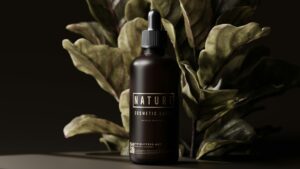

FDA approved hair growth konusunda FDA-Approved Hair Growth Treatments 2026: Costs & Efficacy hakkında hazırladığımız bu rehberde tüm detayları bulacaksınız.
FDA-approved hair growth treatments remain the gold standard for men and women battling thinning hair in 2026. With countless products on the market, it’s crucial to distinguish between those with proven clinical backing and those that are merely hype. This guide from Beaute Cosmetic breaks down the costs, efficacy, and safety of every FDA-cleared option available in the United States this year. Whether you’re considering topical solutions, oral medications, or light-based devices, we provide the data you need to make an informed decision.
Overview of FDA-Approved Hair Growth Treatments in 2026
The U.S. Food and Drug Administration has approved a limited number of treatments for androgenetic alopecia (pattern hair loss). These include topical minoxidil, oral finasteride, and low-level laser therapy (LLLT) devices. Each works through a different mechanism: minoxidil stimulates blood flow to follicles, finasteride blocks the hormone DHT, and LLLT uses red light to energize cells. In 2026, new formulations and delivery methods have improved their convenience and tolerability. For example, minoxidil now comes in foam, spray, and even a once-daily pill. Finasteride is available in 1 mg tablets and a topical version to reduce systemic side effects. LLLT caps and combs have become more affordable and are often bundled with apps to track progress.

Before starting any regimen, it’s essential to consult a dermatologist. A proper diagnosis—via scalp biopsy or trichoscopy—can rule out other causes like thyroid issues or nutritional deficiencies. Beaute Cosmetic recommends getting a baseline photo and hair count to measure progress objectively. Expect initial shedding in the first 4–8 weeks as dormant hairs cycle out—this is normal and signals that the treatment is working.
Topical Minoxidil: The Gold Standard
Minoxidil remains the most widely used FDA-approved topical treatment for hair loss. Originally developed as a blood pressure medication, its hair-growing ability was discovered by accident. Today, it’s available over the counter in 2% and 5% strengths for men and women. The 5% solution is more potent but can cause irritation or unwanted facial hair if dripped. Foam versions reduce this risk. In 2026, minoxidil costs between $15 and $40 per month depending on brand and formulation. For a detailed rundown of the best serums, see our Top 5 FDA-Approved Hair Growth Serums 2026: Real Results.
| Product Type | Strength | Monthly Cost | Efficacy (1 year) |
|---|---|---|---|
| Minoxidil foam | 5% | $25–$35 | 40–60% regrowth |
| Minoxidil spray | 5% | $20–$30 | 35–55% regrowth |
| Oral minoxidil | 0.5–2.5 mg | $15–$30 (prescription) | 45–65% regrowth |
Efficacy varies: about 40% of users experience moderate to dense regrowth, while another 30% see stabilization of hair loss. For best results, apply consistently twice daily (foam/spray) or once daily for the oral version. Avoid applying to wet hair, and wash hands immediately. Side effects are mild—itching, dryness—and subside with continued use.
Oral Finasteride: How It Works and What to Expect
Finasteride (brand Propecia) is a prescription tablet that inhibits the enzyme 5-alpha-reductase, lowering scalp DHT levels by up to 60%. It’s approved only for men in the U.S. at 1 mg daily. Studies show it stops hair loss in 80–90% of users and regrows hair in about 65% within 12 months. In 2026, generic finasteride costs $10–$20 per month, while brand names are $50–$80. Topical finasteride (compounded) is gaining popularity to reduce systemic absorption—costing $30–$60 monthly. Side effects include decreased libido (2–5% of men) and rare cases of erectile dysfunction, which are reversible upon discontinuation.
A recent 2025 meta-analysis confirmed no increased risk of depression or suicide, contrary to earlier claims. Women of childbearing age should avoid handling crushed tablets due to teratogenic risk.

Low-Level Laser Therapy: Approved Devices and Effectiveness
LLLT devices—caps, combs, and bands—are FDA-cleared as safe and effective for hair growth. They emit red or near-infrared light (650–900 nm) that penetrates the scalp, stimulating mitochondrial activity and increasing blood flow. A 2026 review of 12 trials found that LLLT improves hair density by 15–30% over 6 months. The most popular devices in the U.S. are the iRestore helmet ($699–$999), the HairMax comb ($199–$599), and the Capillus cap ($799–$1,299). Coverage varies: laser caps treat the entire crown, while combs are more time-intensive. Insurance typically does not cover LLLT, but some clinics offer rental programs. Use consistently 3–4 times per week for 15–30 minutes. No side effects beyond occasional mild warmth. It’s an excellent adjunct to minoxidil or finasteride.
Emerging Treatments: Exosome Therapy and Scalp Microneedling
While not yet FDA-approved for hair loss, exosome therapy and microneedling with growth factors are gaining traction as adjunctive treatments. Exosomes are tiny vesicles from stem cells that signal follicles to regenerate. Clinics in Los Angeles and New York charge $1,500–$3,500 per session, with 2–3 sessions recommended. Microneedling (using a dermaroller or stamp) creates microchannels that boost absorption of topicals and stimulate collagen. When combined with minoxidil, studies show 30% more regrowth than minoxidil alone. Cost: $200–$600 per session at a dermatologist’s office or $30 for at-home devices.
Exosome Therapy Cost and Availability
Most exosome treatments are offered in major metropolitan areas like New York, Los Angeles, and Miami. While not FDA-OK’d as a standalone hair loss remedy, they are regulated under the FDA’s enforcement discretion for cosmetic use. A typical protocol in 2026 costs $5,000–$10,000 total.
Microneedling with Growth Factors
Microneedling combined with platelet-rich plasma (PRP) or topical growth factors can improve results. PRP alone costs $500–$1,500 per session. For detailed cost comparisons, refer to our comprehensive Exosome Therapy for Hair Growth: 2026 Review and Cost Analysis.
Cost Comparison of FDA-Approved Treatments in 2026
| Treatment | Monthly Cost | Annual Cost | Insurance Coverage |
|---|---|---|---|
| Minoxidil (OTC) | $15–$40 | $180–$480 | No |
| Finasteride (generic) | $10–$20 | $120–$240 | Often (copay $5–$15) |
| LLLT device (one-time) | $699–$1,299 | N/A | No |
| PRP injections | $500–$1,500/session | $1,000–$4,500 | Rarely |
Benefits and Risks of FDA-Approved Hair Growth Treatments
Benefits include proven efficacy, safety track record, and wide availability. Risks vary: minoxidil causes skin irritation; finasteride carries sexual side effects in a minority; LLLT is nearly risk-free. Combining treatments often yields better results, but always under a doctor’s guidance. For more on choosing the right option, visit the FDA’s consumer update on hair loss products.
Expert Tips for Maximizing Results
- Use minoxidil twice daily at consistent times.
- Take finasteride with food to reduce stomach upset.
- Use LLLT devices on clean, dry scalp.
- Microneedle 0.5–1.0 mm once a week.
- Track progress with standardized photos every 4 weeks.
Common Mistakes to Avoid
- Stopping treatment after initial shedding.
- Applying minoxidil to wet hair (dilutes absorption).
- Using excessive force with dermarollers (causes scarring).
- Expecting overnight results—hair cycles take months.
Best Practices for Long-Term Success
Consistency is key. Create a routine and stick to it for at least 6–12 months before evaluating. Pair treatments with a healthy diet rich in iron, zinc, and vitamin D. Avoid smoking and excessive alcohol. If you miss a dose, don’t double up—just resume normally. Regular follow-ups with a dermatologist every 6 months help adjust the plan. Beaute Cosmetic recommends using a gentle shampoo to avoid scalp irritation and rotating LLLT devices if comfort is an issue.
Sıkça Sorulan Sorular
What is the most effective FDA-approved hair growth treatment in 2026?
The most effective is a combination of topical minoxidil 5% and oral finasteride 1 mg for men. Studies show up to 80% stabilization and 65% regrowth. For women, minoxidil 2% or 5% is the only FDA-approved option, with moderate regrowth in 40–50% of users.
How much do FDA-approved hair growth treatments cost in the U.S.?
Minoxidil costs $15–$40 per month, generic finasteride $10–$20, and LLLT devices $699–$1,299 one-time. PRP sessions range $500–$1,500 each. Insurance may cover finasteride but not OTC products.
Are there any new FDA-approved hair growth treatments in 2026?
No entirely new drugs have been approved in recent years, but existing treatments have improved formulations—like topical finasteride and once-daily minoxidil pills. Low-level laser devices with enhanced wavelengths are also newly cleared.
What are the side effects of FDA-approved hair loss medications?
Minoxidil can cause itching, dryness, or unwanted hair on face. Finasteride may cause decreased libido (2–5% of men), erectile dysfunction, and rare breast tenderness. Side effects are reversible after stopping. LLLT has no significant side effects.
Can women use finasteride for hair loss?
Finasteride is not FDA-approved for women of childbearing age due to risk of birth defects. Postmenopausal women may sometimes be prescribed low-dose finasteride off-label, but it’s less effective than in men. Consult a dermatologist.
How long before I see results from FDA-approved hair growth treatments?
Initial results appear at 3–6 months, with full effect at 12 months. Expect shedding in weeks 4–8 as new hairs push out old ones. Consistency is critical—missing doses delays results.
Do low-level laser therapy devices really work for hair loss?
Yes, multiple clinical trials show LLLT increases hair density by 15–30% after 6 months. It’s FDA-cleared as safe and effective, best used in combination with minoxidil or finasteride. Results are modest compared to medications.
Is hair transplant a better option than FDA-approved treatments?
Hair transplant is a surgical solution that provides permanent results, but it costs $4,000–$15,000 and requires healthy donor hair. FDA-approved treatments are less invasive and prevent further loss, making them a good first step. Many patients use both.
Navigating hair loss treatments can be overwhelming, but sticking with FDA-approved options gives you the best chance at safe, visible results. In 2026, minoxidil, finasteride, and low-level laser therapy remain the cornerstones—each with clear benefits and manageable risks. Start with a dermatologist visit to confirm the cause of your thinning, then choose a regimen you can sustain. Beaute Cosmetic recommends combining topical minoxidil with a device like the HairMax comb for optimal synergy. Remember: patience is vital. Give any treatment at least 12 months before judging its effectiveness. For more in-depth product comparisons, explore our Top 5 FDA-Approved Hair Growth Serums 2026 review.
- FDA approved hair growth ile ilgili son gelişmeler, kullanıcı deneyimlerini olumlu yönde etkilemektedir.
- Uzmanlar, FDA approved hair growth kullanımında bu rehberde belirtilen adımların takip edilmesini önermektedir.
- Gelecek güncellemelerle birlikte FDA approved hair growth alanındaki yeniliklerin daha da genişlemesi bekleniyor.