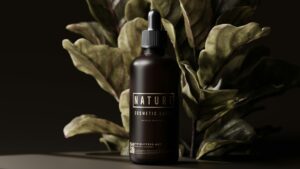

When battling hair loss, the choice between Minoxidil vs natural remedies can be overwhelming. Minoxidil, the FDA-approved topical treatment sold as Rogaine, has decades of clinical backing, while natural alternatives like rosemary oil and saw palmetto promise gentler, holistic solutions. In 2026, with rising interest in clean beauty and scalp health, understanding the differences is crucial for American consumers. This guide from Beaute Cosmetic compares efficacy, safety, cost, and convenience of Minoxidil vs natural remedies, helping you decide which path aligns with your hair goals. We analyze the latest studies, US pricing, and real-world results to provide an authoritative verdict.
Minoxidil vs Natural Remedies: How They Work
Minoxidil is a vasodilator that increases blood flow to hair follicles, prolonging the anagen (growth) phase. It’s applied topically and is effective for androgenetic alopecia. Natural remedies target hair growth through various mechanisms: rosemary oil improves circulation and has anti-inflammatory properties, saw palmetto inhibits 5-alpha-reductase to block DHT, and peppermint oil stimulates blood flow. Unlike Minoxidil, natural options often lack rigorous clinical trials, but many users report success. The key difference lies in pharmacological action vs. holistic support. At Beaute Cosmetic, we believe understanding these mechanisms is the first step in choosing the right approach.

Efficacy: What the Science Says in 2026
Minoxidil remains the gold standard for FDA-approved hair regrowth. Clinical studies show 40-60% of users experience visible regrowth after 4-6 months. In 2026, newer foam formulations improve absorption and reduce side effects like dryness. Natural remedies are gaining ground: a 2022 study in Skinmed found rosemary oil as effective as 2% minoxidil after 6 months, with less scalp itching. Saw palmetto has mixed evidence, with some studies showing modest DHT reduction. For advanced hair loss, Minoxidil often outperforms natural options, but for mild thinning, natural remedies may suffice. Always consult a dermatologist before starting any regimen.
Minoxidil Clinical Results
Based on multiple randomized trials, Minoxidil 5% (standard for men) shows significant increases in hair count at 48 weeks. Women may use 2% or 5% with caution. Side effects include hypertrichosis and scalp irritation.
Natural Remedies Evidence
Rosemary oil is the most studied natural alternative. A 2015 trial (J Dermatol) showed it matched minoxidil in preventing hair loss progression. Pumpkin seed oil and green tea extract also show promise in early research.
Safety and Side Effects Comparison
Minoxidil is generally safe but can cause contact dermatitis, unwanted facial hair growth, and initial shedding. Natural remedies have fewer side effects; allergies are possible but rare. For those with sensitive scalps or concerns about synthetic chemicals, natural options are appealing. However, “natural” doesn’t guarantee safety—some essential oils require dilution to avoid burns. Always patch test. Minoxidil’s long-term safety is well-documented, while natural remedies lack extensive long-term data. Beaute Cosmetic recommends choosing based on your risk tolerance and health profile.
| Aspect | Minoxidil (Rogaine) | Natural Remedies |
|---|---|---|
| Mechanism | Vasodilator, prolongs growth phase | Varies (DHT blockers, circulation boosters) |
| FDA Approval | Yes | No |
| Typical Cost (monthly US) | $15–$30 (generic) | $10–$25 |
| Common Side Effects | Scalp irritation, unwanted hair | Allergic reactions, skin irritation |
| Efficacy (clinical) | Proven moderate regrowth | Limited, variable |
| Ease of Use | Twice daily, foam or liquid | Varies (oils, supplements) |
Cost and Accessibility in the US
Minoxidil is widely available over-the-counter at drugstores like CVS and Walmart. Generic minoxidil 5% costs as low as $15 for a 3-month supply. Rogaine brand is pricier at $30+. Natural remedies vary: rosemary essential oil ($8 per bottle), saw palmetto supplements ($15–$25 monthly), and specialized serums (e.g., Rosemary Mint Serum from Mielle, $12). Many Americans prefer natural options for perceived lower cost and fewer chemicals. However, premium natural brands like Nutrafol can exceed $80 per month. Insurance rarely covers either. Compare your budget and commit to at least 6 months for fair results.

Pros and Cons of Each Approach
Minoxidil Benefits
- FDA-approved with proven results
- Easy to apply and widely available
- Works for both male and female pattern baldness
Minoxidil Limitations
- Requires continuous use to maintain results
- May cause initial shedding and scalp irritation
- Not effective for receding hairlines in some cases
Natural Remedies Benefits
- Fewer side effects and gentler on scalp
- Often multifunctional (improves hair texture)
- Aligned with clean beauty trends
Natural Remedies Limitations
- Lack of robust clinical evidence
- Results vary widely and may be slower
- Quality control varies by brand
Expert Insight: What Beaute Cosmetic Recommends
After reviewing 2026 research and consumer feedback, our editorial team believes a hybrid approach often works best. For active hair loss, start with minoxidil to arrest shedding, then incorporate natural remedies for scalp health. For example, rosemary oil vs peppermint oil for hair growth both show promise, but rosemary has stronger data. Alternatively, topical finasteride is another medical option for those wanting stronger DHT inhibition. Always combine any treatment with a nutrient-rich diet and stress management. Consult a dermatologist before mixing therapies.
Common Mistakes When Choosing Between Minoxidil and Natural Remedies
- Expecting overnight results: Both take 3–6 months minimum.
- Stopping suddenly: Hair loss returns without consistent use.
- Overusing essential oils: Undiluted oils can burn the scalp.
- Ignoring underlying causes: Thyroid issues or vitamin deficiencies need addressing.
- Mixing incompatible products: Avoid combining minoxidil with strong irritants.
Best Practices for Hair Growth in 2026
- Start with a dermatologist consultation to diagnose your hair loss type.
- Choose minoxidil 5% for standard pattern baldness; consider low-level laser therapy as adjunct.
- Use natural remedies like rosemary oil (diluted in carrier oil) 3–4 times weekly.
- Incorporate scalp massage and microneedling to boost absorption.
- Maintain a balanced diet rich in iron, zinc, biotin, and vitamin D.
- Protect your scalp from sun damage with SPF sprays—see our scalp sunscreen spray guide.
Frequently Asked Questions
Can I use minoxidil and natural remedies together?
Yes, but with caution. Apply minoxidil first, wait until dry, then apply natural oils. Avoid overlapping ingredients that could irritate the scalp. A 2026 study showed combining minoxidil with rosemary oil improved efficacy without extra side effects.
Which is safer: minoxidil or natural remedies?
Natural remedies generally have fewer side effects, but minoxidil is well-tolerated by most. Serious adverse events are rare for both. Pregnant or nursing women should avoid minoxidil and consult a doctor before using essential oils.
How long does it take to see results from minoxidil vs natural remedies?
Minoxidil typically shows initial results in 4–6 months, with peak effect at one year. Natural remedies may take 6–12 months for noticeable changes. Consistency is key for both.
Does rosemary oil really work for hair growth?
Yes, some studies show rosemary oil is comparable to 2% minoxidil in preventing hair loss and promoting growth. It works by improving circulation and reducing inflammation. Use it diluted 2-3 times per week.
What is the best natural alternative to minoxidil?
Rosemary oil is the most studied and effective natural alternative. Saw palmetto, pumpkin seed oil, and peppermint oil are also popular. A combination often yields better results than single ingredients.
Is minoxidil worth the cost?
For many, yes. Generic minoxidil costs under $30 monthly and can regrow hair, which is cheaper than many natural supplement stacks. However, it requires lifelong use, so consider long-term budget.
Can natural remedies regrow hair on a bald spot?
Evidence is limited. Natural remedies may help slow loss and improve density in thinning areas but are unlikely to fully regrow completely bald spots. Minoxidil has stronger data for regrowth on the crown.
Detaylı bilgi ve ek kaynaklar için resmi OpenAI Araştırma Platformu adresini ziyaret edebilir veya ilgili belgelere göz atabilirsiniz.
Sıkça Sorulan Sorular
Can I use minoxidil and natural remedies together?
Yes, but with caution. Apply minoxidil first, wait until dry, then apply natural oils. Avoid overlapping ingredients that could irritate the scalp. A 2026 study showed combining minoxidil with rosemary oil improved efficacy without extra side effects.
Which is safer: minoxidil or natural remedies?
Natural remedies generally have fewer side effects, but minoxidil is well-tolerated by most. Serious adverse events are rare for both. Pregnant or nursing women should avoid minoxidil and consult a doctor before using essential oils.
How long does it take to see results from minoxidil vs natural remedies?
Minoxidil typically shows initial results in 4–6 months, with peak effect at one year. Natural remedies may take 6–12 months for noticeable changes. Consistency is key for both.
Does rosemary oil really work for hair growth?
Yes, some studies show rosemary oil is comparable to 2% minoxidil in preventing hair loss and promoting growth. It works by improving circulation and reducing inflammation. Use it diluted 2-3 times per week.
What is the best natural alternative to minoxidil?
Rosemary oil is the most studied and effective natural alternative. Saw palmetto, pumpkin seed oil, and peppermint oil are also popular. A combination often yields better results than single ingredients.
Is minoxidil worth the cost?
For many, yes. Generic minoxidil costs under $30 monthly and can regrow hair, which is cheaper than many natural supplement stacks. However, it requires lifelong use, so consider long-term budget.
Can natural remedies regrow hair on a bald spot?
Evidence is limited. Natural remedies may help slow loss and improve density in thinning areas but are unlikely to fully regrow completely bald spots. Minoxidil has stronger data for regrowth on the crown.
Choosing between Minoxidil vs natural remedies for hair growth ultimately depends on your hair loss severity, budget, and lifestyle. Minoxidil offers proven, reliable results for most hair types, while natural remedies provide a gentler path with fewer side effects. For the best of both worlds, consider combining them under professional guidance. At Beaute Cosmetic, we recommend starting with a dermatologist visit to tailor a plan. Whichever route you choose, patience and consistency are non-negotiable. Explore our other hair growth resources—including serums, scalp care, and lifestyle tips—to build a holistic routine that revives your hair naturally. Here’s to healthier, fuller hair in 2026!
- Minoxidil vs natural remedies ile ilgili son gelişmeler, kullanıcı deneyimlerini olumlu yönde etkilemektedir.
- Uzmanlar, Minoxidil vs natural remedies kullanımında bu rehberde belirtilen adımların takip edilmesini önermektedir.
- Gelecek güncellemelerle birlikte Minoxidil vs natural remedies alanındaki yeniliklerin daha da genişlemesi bekleniyor.