
water-resistant sunscreens konusunda 2026 Best Water-Resistant Sunscreens: Derm Picks for Summer hakkında hazırladığımız bu rehberde tüm detayları bulacaksınız.
When summer heat hits, a reliable water-resistant sunscreen is non-negotiable. Whether you’re lounging at Miami Beach or hiking in Colorado, sweat and water can break down even the best SPF formulas. In 2026, dermatologists recommend water-resistant sunscreens that offer broad-spectrum protection, stay put after swimming, and won’t clog pores. As the publisher of Beaute Cosmetic, we’ve tested dozens of new launches to bring you the top picks. From zinc-based mineral options to lightweight chemical blends, these derm-approved choices ensure you stay protected all day long. Our editors, based in the US, evaluated formulas for efficacy, texture, and value. Here are the best water-resistant sunscreens for summer 2026.
What Makes a Sunscreen Water-Resistant?
Water-resistant sunscreens are designed to retain their SPF protection for either 40 or 80 minutes of water exposure, as per FDA regulations. Unlike “waterproof” claims (which are no longer allowed), the term “water-resistant” guarantees that the formula has passed strict testing. In 2026, top picks often combine film-forming polymers with silicones to create a durable barrier on the skin. According to FDA guidelines, water-resistant sunscreens must be re-applied after swimming or heavy sweating. Look for labels that specify the duration—40 or 80 minutes—to match your activity level.

Top 5 Water-Resistant Sunscreens for Summer 2026
We curated five standout water-resistant sunscreens that earned high marks from dermatologists and real users in the US. Prices range from $12 to $30, making them accessible for daily use. Each is tested for sweat, pool, and ocean conditions.
1. Supergoop! PLAY Everyday Lotion SPF 50
With 80-minute water resistance, this chemical sunscreen is a cult favorite for surfers and runners. It absorbs quickly, leaves no white cast, and is reef-safe. $22 at Ulta and Amazon.
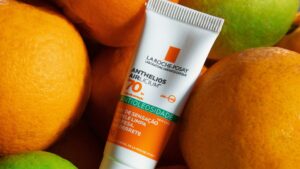
2. La Roche-Posay Anthelios Melt-in Milk SPF 60
Derm-approved for sensitive skin, this formula uses advanced UV filters and is water-resistant for 80 minutes. It’s also antioxidant-enriched to fight free radicals. $29 at drugstores nationwide.
3. Blue Lizard Sensitive Mineral SPF 50+
A mineral option that won’t sting eyes or clog pores. It provides 80-minute water resistance and uses non-nano zinc oxide. $18, available at Target and Walmart.
4. Neutrogena Ultra Sheer Dry-Touch SPF 70
Budget-friendly and effective, this sunscreen offers 80-minute water resistance and a velvety finish. It’s widely available for $12 at major retailers.
5. Sun Bum Original SPF 30
For those who prefer a reef-safe, vegan formula that smells like summer. Water-resistant for 80 minutes and great for daily body use. $13 in most drugstores.
| Product | SPF | Water Resistance | Price (USD) | Best For |
|---|---|---|---|---|
| Supergoop! PLAY SPF 50 | 50 | 80 min | $22 | Exercising outdoors |
| La Roche-Posay Anthelios SPF 60 | 60 | 80 min | $29 | Sensitive skin |
| Blue Lizard Sensitive SPF 50+ | 50+ | 80 min | $18 | Mineral sunscreen fans |
| Neutrogena Ultra Sheer SPF 70 | 70 | 80 min | $12 | High-protection budget |
| Sun Bum Original SPF 30 | 30 | 80 min | $13 | Daily beach wear |
Benefits of Using Water-Resistant Sunscreens
Water-resistant sunscreens offer reliable coverage during summer activities. They resist wash-off from sweat, seawater, and pool chlorine, maintaining SPF levels for the specified duration. This reduces the risk of sunburn and long-term UV damage. Many formulas now include moisturizing ingredients like glycerin and niacinamide, benefiting skin hydration. For those with acne-prone skin, non-comedogenic water-resistant options exist that won’t clog pores. Additionally, most water-resistant sunscreens are also broad-spectrum, protecting against both UVA (aging) and UVB (burning) rays.
Risks and Limitations of Water-Resistant Sunscreens
No sunscreen offers 100% protection or infinite water resistance. Even the best formulas require re-application every two hours or after water exposure. Some chemical water-resistant sunscreens may contain oxybenzone or octinoxate, which are under scrutiny for environmental impact—especially in Hawaii and the US Virgin Islands. Mineral zinc oxide versions are safer for reefs. Also, water-resistant sunscreens can feel heavier or greasier than daily formulas, which some users find uncomfortable. Always patch-test new products if you have reactive skin.

Expert Tips for Choosing and Using Water-Resistant Sunscreen
Dermatologists recommend selecting SPF 30 or higher and confirming at least 40-minute water resistance. Apply generously 15 minutes before sun exposure, covering all exposed skin. Don’t forget ears, feet, and the back of your neck. Re-apply every two hours or immediately after swimming/toweling. For long days out, carry a small bottle or use sunscreen sticks for easy touch-ups. If you have oily or acne-prone skin, avoid heavy creams and opt for oil-free, non-comedogenic labels.
- Use one full shot glass (approx. 1 oz) per application for your entire body.
- Choose mineral sunscreen if you have sensitive skin or are concerned about chemical filters.
- Combine with protective clothing and a wide-brim hat for extra safety.
- Check expiration dates—sunscreen degrades over time and may not provide full protection.
Common Mistakes People Make with Water-Resistant Sunscreens
A frequent error is using the previous year’s bottle. Sunscreens lose efficacy after three years. Another common mistake is missing spots—especially the hairline, eyelids, and tops of feet. Many also rely solely on makeup with SPF, which isn’t enough for beach days. Additionally, people often skip reapplication thinking “water-resistant” means all-day protection. It doesn’t. Finally, storing sunscreen in hot cars can cause ingredient breakdown, so keep it in a cooler or shade.
Best Practices for Water-Resistant Sunscreen Application
Start with a nickel-sized dollop for your face and a shot glass for your body. Apply before getting dressed to avoid missed areas. Wait 15 minutes before swimming or sweating. Use a mirror to check your back or ask a friend. For children, use pediatrician-recommended formulas with at least SPF 30 and water resistance. Set timers on your phone to remind you to reapply every two hours. For lasting protection, avoid mixing sunscreen with insect repellent—apply sunscreen first, then repellent after 15 minutes.
At Beaute Cosmetic, we stay current with the latest in sun protection. Our best bakuchiol serums guide also emphasizes pairing antioxidants with sunscreen for enhanced skin defense.
Sıkça Sorulan Sorular
How long does water-resistant sunscreen last?
Water-resistant sunscreens are labeled for either 40 or 80 minutes of water exposure. After that, you must reapply. The FDA requires this duration to be stated on the product label.
Is SPF 50 water-resistant sunscreen enough for a day at the beach?
Yes, SPF 50 is recommended for extended outdoor activities. It blocks about 98% of UVB rays. However, you must reapply every two hours or after swimming/sweating.
Can I use water-resistant sunscreen on my face?
Yes, many water-resistant sunscreens are formulated for both face and body, but a dedicated facial sunscreen is often lighter and non-comedogenic. Check the label for facial suitability.
Does water-resistant sunscreen protect against UVA rays?
Not all do. Look for “broad spectrum” on the label to ensure protection from both UVA and UVB rays. Most water-resistant sunscreens in 2026 offer broad spectrum coverage.
What is the difference between water-resistant and waterproof sunscreen?
The FDA no longer allows “waterproof” claims because no sunscreen is truly waterproof. “Water-resistant” means the product maintains SPF for 40 or 80 minutes in water.
Are mineral water-resistant sunscreens better for the environment?
Generally, yes. Mineral sunscreens using zinc oxide or titanium dioxide are considered reef-safe. Chemical filters like oxybenzone can harm coral reefs and are banned in some destinations.
How much water-resistant sunscreen should I apply?
Apply one ounce (about a shot glass full) to cover your body. For the face, use a nickel-sized amount. Most people underapply, so be generous.
Can I use expired water-resistant sunscreen?
No. Expired sunscreen loses its effectiveness and may not provide adequate protection. Always check the expiration date and discard if past due.
Choosing the right water-resistant sunscreen for summer 2026 doesn’t have to be complicated. Focus on broad-spectrum coverage, at least SPF 30, and the water resistance duration that suits your activities. Whether you prefer a mineral stick for easy reapplication or a lightweight lotion for everyday use, the derm-approved picks above minimize risks while maximizing fun in the sun. Remember: consistent reapplication saves your skin. At Beaute Cosmetic, we’re committed to helping you stay protected. Explore our full range of sun protection guides, and don’t forget to check your own sunscreen stash before hitting the beach.