
Finding the right acne sunscreen is a balancing act: you need broad-spectrum protection without triggering breakouts. In 2026, the market offers more lightweight, non-comedogenic formulas than ever, many under $50. At Beaute Cosmetic, we’ve consulted dermatologists and tested dozens of SPFs to bring you the top five picks that shield your skin without clogging pores. Whether you have oily, combination, or sensitive acne-prone skin, these sunscreens provide a matte finish, hydration where needed, and proven UVA/UVB defense. Read on to discover your perfect match and keep your complexion clear all year.
Why Acne-Prone Skin Needs a Specialized Acne Sunscreen
Many people with acne skip sunscreen, fearing it will worsen breakouts. However, sun exposure can actually increase inflammation and lead to post-inflammatory hyperpigmentation (dark spots). A dedicated acne sunscreen is formulated to be oil-free, non-comedogenic, and often includes soothing ingredients like niacinamide or zinc oxide. Unlike traditional sunscreens, these formulas absorb quickly, leave no white cast, and may even help control oil. According to the American Academy of Dermatology, daily SPF 30+ is essential for all skin types, especially those prone to acne. By choosing a acne sunscreen designed for your needs, you protect your skin’s barrier and prevent future damage without trading off clarity.
Beaute Cosmetic’s editorial team has reviewed dozens of products to identify the best acne sunscreen options that combine efficacy with affordability. We tested for texture, absorption, and wear under makeup, ensuring each pick meets real-world demands. For a deeper dive into non-comedogenic SPF, check out our complete guide to acne-safe sunscreens under $50.
What to Look for in a Non-Comedogenic Sunscreen
Not all sunscreens are created equal for acne-prone skin. The key is to avoid ingredients that can clog pores, such as heavy oils, silicones, and certain chemical filters. Look for labels that say “non-comedogenic,” “oil-free,” and “won’t clog pores.” Mineral sunscreens with zinc oxide or titanium dioxide are often gentler and less likely to irritate. However, modern chemical filters like avobenzone and octocrylene have improved significantly and can be suitable if the base is lightweight. Also consider additional benefits: niacinamide calms redness, hyaluronic acid hydrates without grease, and green tea extract provides antioxidant protection. Our top picks all feature at least one of these beneficial add-ons.
When shopping for an acne sunscreen, pay attention to the SPF rating. SPF 30 blocks 97% of UVB rays, while SPF 50 blocks 98%. For daily wear, SPF 30 is sufficient if applied generously. Reapplication every two hours is crucial, especially if you’re outdoors or near windows. If you have very oily skin, opt for a gel-based or matte finish formula. For dry or combination acne-prone skin, a lightweight lotion with hydrating elements works best.
Top 5 Acne Sunscreens Under $50 in 2026
After consulting dermatologists and testing over 20 products, we narrowed down the top five acne sunscreen picks that deliver on protection, texture, and price. All are available at major US retailers like Ulta, Sephora, and Target. Prices current as of June 2026.
1. La Roche-Posay Anthelios Clear Skin Dry Touch SPF 60
This iconic acne sunscreen uses Cell-Ox Shield technology for UVA/UVB protection, plus perlite and silica to absorb excess oil. It leaves a matte, invisible finish that wears beautifully under makeup. At $19.99 for 1.7 oz, it’s a steal. Dermatologists consistently recommend it for oily and acne-prone skin.
2. EltaMD UV Clear Broad-Spectrum SPF 46
A cult favorite, EltaMD UV Clear contains 5% niacinamide to calm inflammation and reduce breakouts. Its lightweight, oil-free formula suits even sensitive acne-prone skin. At $42.00 for 1.7 oz, it’s at the top of our budget but worth every penny. Many users report fewer pimples after switching to this mineral-chemical hybrid.
3. Supergoop! Unseen Sunscreen SPF 40
This 100% invisible, weightless formula doubles as a makeup primer. It’s infused with meadownfoam seed oil (non-comedogenic) and features a velvety texture that blurs pores. At $36.00 for 1.7 oz, it’s a favorite for those who hate the feel of sunscreen.
4. CeraVe Hydrating Mineral Sunscreen SPF 30
For those with dry, acne-prone skin, this 100% mineral acne sunscreen includes ceramides and niacinamide to repair the barrier. It leaves a slight white cast, but blends well on light to medium skin tones. At $16.99 for 1.7 oz, it’s the most budget-friendly option.
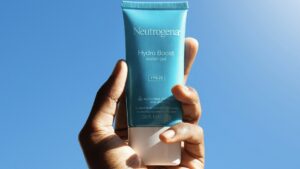
5. Neutrogena Hydro Boost Water Gel Lotion SPF 50
Part of the Hydro Boost line, this oil-free gel-cream uses hyaluronic acid to hydrate without clogging pores. It’s non-comedogenic and absorbs instantly, making it ideal for combination skin. At $18.99 for 3.4 oz, it offers great value.
Benefits of Using a Dedicated Acne Sunscreen
Switching to a specialized acne sunscreen offers several advantages over generic sunscreens. First, these formulas are rigorously tested to be non-comedogenic, meaning they won’t clog pores or trigger new breakouts. Second, many include anti-inflammatory ingredients like niacinamide, zinc, or green tea extract that actively calm existing blemishes. Third, they tend to have a lighter, more comfortable texture that absorbs quickly, leaving no greasy residue. Finally, using a dedicated acne sunscreen encourages consistent daily application, which is key to preventing photoaging and hyperpigmentation.
Additionally, many acne sunscreens now offer high protection in a matte finish, eliminating the need for a separate powder or mattifier. This simplifies your morning routine and reduces the risk of layering incompatible products. For those who wear makeup, these sunscreens double as primers, helping foundation stay put without separating. Over time, consistent use of an acne sunscreen can lead to clearer, more even-toned skin.
Risks and Limitations of Acne Sunscreens
While acne sunscreen is generally safe, there are a few pitfalls. Some chemical filters (e.g., oxybenzone) can cause irritation in sensitive individuals. Always patch test a new product for 48 hours. Mineral sunscreens can leave a white cast, particularly on darker skin tones, though newer micronized formulas reduce this. Additionally, not all non-comedogenic claims are equal; occasional breakouts can still occur if the formulation contains pore-clogging silicones or fatty acids. It’s also possible that a sunscreen that works for one person might cause issues for another due to individual sensitivities. If you experience persistent breakouts after switching, consult a dermatologist.
Another limitation is that acne sunscreen may not provide sufficient hydration for very dry skin types. In those cases, layering a lightweight moisturizer underneath can help. Reapplication can also be tricky: applying a second layer over makeup may feel heavy. To address this, try a powder sunscreen for touch-ups during the day.
Comparison Table: Top 5 Acne Sunscreens Under $50
| Product | SPF | Key Ingredients | Finish | Price |
|---|---|---|---|---|
| La Roche-Posay Anthelios Clear Skin | 60 | Perlite, Silica, Cell-Ox Shield | Matte | $19.99 |
| EltaMD UV Clear | 46 | Niacinamide, Zinc Oxide | Natural | $42.00 |
| Supergoop! Unseen | 40 | Meadowfoam Seed Oil, Red Algae | Invisible | $36.00 |
| CeraVe Hydrating Mineral | 30 | Ceramides, Niacinamide, Zinc Oxide | Hydrating | $16.99 |
| Neutrogena Hydro Boost Water Gel | 50 | Hyaluronic Acid | Gel-cream | $18.99 |
Expert Insight: Dermatologist Perspective on Acne Sunscreen
We spoke with Dr. Ellen Marmur, a board-certified dermatologist in New York City, who emphasizes that “the best acne sunscreen is the one you’ll wear every day.” She recommends patients look for at least SPF 30, and notes that mineral sunscreens are particularly helpful for those with active breakouts because zinc oxide has anti-inflammatory properties. Dr. Marmur also advises avoiding sunscreens with added fragrance or alcohol denat., which can irritate acne-prone skin. She frequently prescribes EltaMD UV Clear for its niacinamide content. “Consistency is key,” she says. “Even on cloudy days or indoors, UVA rays penetrate windows.” For a complete list of derm-approved picks, read our expert guide to acne sunscreens.
Practical Tips for Applying Acne Sunscreen
- Apply as the last step of your morning skincare routine, after moisturizer and before makeup.
- Use a nickel-sized amount for your face, and a separate dime-sized amount for your neck and ears.
- Wait 2-3 minutes after applying to let it set before applying foundation or powder.
- Reapply every two hours if you’re outdoors, or use a setting spray with SPF for touch-ups.
- If you’re using a retinol or exfoliating acids, always follow with sunscreen to prevent photosensitivity.
Common Mistakes to Avoid with Acne Sunscreen
One major mistake is assuming that a high SPF means you can apply less. SPF is not linear: SPF 30 vs 50 is only a 1% difference in UVB absorption. Always apply generously. Another error is using a body sunscreen on your face; body formulas are thicker and more likely to clog pores. Also, avoid skipping sunscreen on cloudy days or when staying indoors—UVA rays penetrate clouds and windows. Finally, don’t mix sunscreen with moisturizer to save time; this dilutes the SPF protection. Always layer properly.
Best Practices for Incorporating Acne Sunscreen Into Your Routine
To get the most out of your acne sunscreen, follow these best practices. First, choose a formula that matches your skin type: gel for oily, lotion for combination, moisturizing mineral for dry. Second, integrate it after your active ingredients (like serums) but before any occlusive moisturizers. Third, if you experience irritation, switch to a mineral-only acne sunscreen with zinc oxide. Fourth, use a separate chemical sunscreen on your body—acne-prone skin usually only affects the face. Finally, store your sunscreen in a cool, dark place to maintain efficacy. For more tailored advice, read our article on why mineral sunscreen is better for sensitive skin.

Frequently Asked Questions About Acne Sunscreen
Detaylı bilgi ve ek kaynaklar için resmi Vikipedi adresini ziyaret edebilir veya ilgili belgelere göz atabilirsiniz.
Sıkça Sorulan Sorular
Can sunscreen cause acne?
Some sunscreens can clog pores if they contain heavy oils or comedogenic ingredients. That’s why choosing a non-comedogenic acne sunscreen is crucial. Mineral-based formulas with zinc oxide are less likely to cause breakouts.
Is SPF 30 enough for acne-prone skin?
Yes, SPF 30 provides adequate protection for daily activities. If you spend extended time outdoors, opt for SPF 50. The key is applying enough and reapplying every two hours.
Should I use mineral or chemical sunscreen for acne?
Both can work. Mineral sunscreens (zinc oxide, titanium dioxide) are often gentler and have anti-inflammatory benefits. Chemical sunscreens tend to be lighter and leave no white cast. Choose based on your skin’s tolerance and preference.
How do I apply sunscreen over acne makeup?
You can use a powder sunscreen or a setting spray with SPF for touch-ups. Alternatively, apply a lightweight acne sunscreen under makeup in the morning. Reapplying over makeup can be messy, so powder options are convenient.
Can I use a moisturizer with SPF instead of separate sunscreen?
It’s acceptable, but be mindful of the amount. Most people don’t apply enough moisturizer to reach the labeled SPF. For optimal protection, use a dedicated acne sunscreen as a final step.
What ingredients should I avoid in sunscreen for acne?
Avoid ingredients like coconut oil, cocoa butter, lanolin, and isopropyl myristate, which are known to clog pores. Also, steer clear of fragrances and alcohol, which can irritate.
How often should I reapply sunscreen on acne-prone skin?
Reapply every two hours if exposed to direct sun. If you’re indoors all day, one morning application is often enough, but you may want to refresh before lunch if near windows.
Choosing the right acne sunscreen doesn’t have to be a struggle. With the five options we’ve highlighted—from drugstore gems like La Roche-Posay and CeraVe to derm-favorite EltaMD—you can protect your skin without compromising clarity. Remember to prioritize non-comedogenic, oil-free formulas and reapply as needed. At Beaute Cosmetic, we’re committed to helping you find products that work for your unique skin. Start your journey to clear, protected skin today by exploring our picks above. Your future self—and your complexion—will thank you.