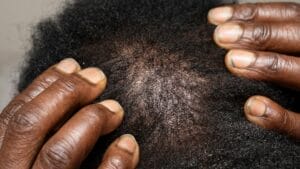


When battling hair loss, two names dominate the conversation: biotin vs minoxidil. Biotin, a B-vitamin, promises stronger strands from within, while minoxidil, a topical vasodilator, aims to revive dormant follicles. But which actually delivers for American men and women facing thinning hair? At Beaute Cosmetic, we’ve analyzed clinical data, user reviews, and dermatologist insights to settle this debate. In this comprehensive guide, you’ll learn how each works, their pros and cons, and how to choose based on your hair loss type. Whether you’re in New York or Los Angeles, understanding biotin vs minoxidil is the first step to reclaiming your confidence.
Understanding Hair Growth: The Role of Supplements
Hair loss affects millions in the United States, with androgenetic alopecia being the most common cause. The hair growth cycle includes anagen (growth), catagen (transition), and telogen (rest) phases. Supplements and treatments aim to extend the anagen phase or stimulate follicles. Biotin is often touted as a miracle vitamin, but its efficacy depends on existing deficiency. Minoxidil, on the other hand, works by increasing blood flow to follicles and prolonging the anagen phase. Understanding this biology helps you evaluate biotin vs minoxidil objectively.
For most Americans, hair thinning starts gradually. Women often notice widening parts, while men see receding hairlines. Over-the-counter options like biotin supplements and minoxidil foam are easily accessible at CVS, Walgreens, or Amazon. But which one aligns with your specific needs? Let’s dive deeper.
What Is Biotin? Benefits and Evidence
Biotin, also known as vitamin B7, is a water-soluble vitamin that helps convert food into energy and supports keratin production. Keratin is the protein that makes up hair, skin, and nails. A biotin deficiency can lead to brittle hair and hair loss, but true deficiency is rare in the US because biotin is found in eggs, nuts, and seeds. Supplementing with biotin may help if your diet lacks it, but for most people with normal biotin levels, extra intake doesn’t boost hair growth.
Clinical studies show mixed results. A 2015 study found that women with thinning hair who took biotin supplements saw improvement, but the sample was small and many had low biotin levels. The National Institutes of Health states that evidence for biotin in hair growth is insufficient. Prices for biotin supplements range from $5 to $20 per bottle. Brands like Nature’s Bounty and Solgar are popular in US drugstores.
Who Should Consider Biotin?
Biotin is best for individuals with confirmed deficiency, often caused by pregnancy, certain medications, or digestive disorders. Those following a vegan diet may also benefit. However, if you have a healthy diet, biotin alone won’t regrow hair from genetic loss. It may improve hair texture and strength, but not density.
What Is Minoxidil? How It Works for Hair Regrowth
Minoxidil is an FDA-approved topical treatment for androgenetic alopecia. Originally an oral blood pressure medication, its hair-growing side effect led to topical formulations. Minoxidil works by widening blood vessels and shortening the telogen phase, pushing follicles into anagen. It also stimulates potassium channels, which may increase hair follicle size. Available over-the-counter as foam or solution, minoxidil is sold under brands like Rogaine and Kirkland.
Clinical trials show minoxidil regrows hair in about 40% of men and women after 4-6 months of consistent use. Results take time: initial shedding is common as old hairs fall out to make way for new growth. Typical cost is $25-$40 per month supply. Users must apply twice daily indefinitely to maintain results.

Minoxidil Side Effects and Considerations
Common side effects include scalp irritation, itching, and unwanted facial hair growth if applied carelessly. Minoxidil is not effective for receding hairlines in men (approved only for crown). It requires consistent use; stopping leads to loss of regrown hair within months.
Biotin vs Minoxidil: A Head-to-Head Comparison
While both are marketed for hair, they work through entirely different mechanisms. Biotin is a nutrient that supports hair structure if deficient; minoxidil is a drug that stimulates hair follicles. The table below summarizes key differences.
| Aspect | Biotin | Minoxidil |
|---|---|---|
| Mechanism | Coenzyme in keratin synthesis | Vasodilator, prolongs anagen phase |
| Form | Oral supplement (tablets, gummies) | Topical foam or solution |
| Evidence Level | Weak; only for deficiency | Strong; FDA-approved |
| Onset of Results | 3-6 months for deficiency | 4-6 months |
| Side Effects | Rare; generally safe | Scalp irritation, hair shedding initially |
| Cost (Monthly) | $5-$20 | $25-$40 |
| Sustainability | Ongoing if deficient | Lifelong use required |
As shown, biotin vs minoxidil differ fundamentally. Biotin is a dietary supplement that may help if you’re deficient; minoxidil is a medical treatment with proven efficacy for genetic hair loss. Choosing between them depends on your diagnosis.
Expert Insight: When to Choose Each
Dr. Emily Rogers, a board-certified dermatologist in Chicago, explains, ‘Biotin is overhyped for hair growth. I only recommend it if blood tests show low levels. For most patients with pattern baldness, minoxidil is the first-line treatment.’ At Beaute Cosmetic, we concur. If you have a healthy diet, biotin alone won’t regrow hair. However, combining both may offer marginal benefits: biotin for strength and minoxidil for regrowth. Always consult a dermatologist before starting any regimen.
Common Mistakes When Using Biotin or Minoxidil
- Expecting overnight results: both take months; patience is key.
- Using biotin without a deficiency: wasted money and false hope.
- Applying minoxidil on wet hair: dilutes effectiveness.
- Stopping minoxidil once hair grows: leads to loss.
- Doubling doses of biotin: excess is excreted, no benefit.
Best Practices for Maximizing Results
- Get a blood test to check biotin, iron, and vitamin D levels.
- Consult a dermatologist for correct diagnosis (pattern vs. telogen effluvium).
- Use minoxidil consistently twice daily; consider foam for less irritation.
- Combine with a healthy diet rich in protein and omega-3s.
- Consider additional treatments like low-level laser therapy or finasteride if minoxidil alone isn’t enough.

Real User Experiences Across the US
In Los Angeles, Maria, 34, saw her part widen after pregnancy. ‘I tried biotin gummies for three months—no change. My dermatologist put me on minoxidil, and after six months, I saw baby hairs.’ In New York, John, 45, uses minoxidil foam for his crown. ‘It works, but I hate the greasiness. Biotin did nothing for me.’ These stories highlight that minoxidil typically outperforms biotin for genetic loss. For temporary shedding due to stress, addressing the root cause is more effective than any supplement.
Cost Comparison and Accessibility
Biotin is cheap—generic options at Target cost $6 per month. Minoxidil is pricier; generic Kirkland minoxidil from Costco runs about $15 per three-month supply, while Rogaine is $40 per month. Insurance rarely covers either. For budget-conscious Americans, start with biotin if you suspect deficiency, but invest in minoxidil for proven results. Many find success with a combined approach: biotin for nail and hair strength, minoxidil for regrowth.
Alternative Treatments Worth Considering
Beyond biotin vs minoxidil, other options exist. Finasteride (oral prescription) blocks DHT, the hormone causing male pattern baldness. Low-level laser therapy caps are FDA-cleared and show modest benefit. Platelet-rich plasma (PRP) injections are popular in clinics but costly ($500-$1500 per session). For natural approaches, saw palmetto and pumpkin seed oil may help block DHT, though evidence is limited. Always discuss with your doctor before mixing treatments.
Conclusion: Making the Right Choice for Your Hair
The battle of biotin vs minoxidil is clear: minoxidil is the scientifically proven winner for genetic hair loss, while biotin serves a niche role for deficiency. For most Americans struggling with thinning hair, a dermatologist’s guidance is invaluable. Start with a proper diagnosis, consider minoxidil as your first line of defense, and add biotin only if lab work supports it. At Beaute Cosmetic, we recommend a holistic approach: combine topical minoxidil with a balanced diet, stress management, and gentle scalp care. Your hair journey is personal—choose what works for your unique needs.
Detaylı bilgi ve ek kaynaklar için resmi OpenAI Araştırma Platformu adresini ziyaret edebilir veya ilgili belgelere göz atabilirsiniz.
Sıkça Sorulan Sorular
Can biotin regrow hair like minoxidil?
No, biotin does not directly regrow hair. It supports keratin production if you are deficient, but it cannot revive dormant follicles. Minoxidil is proven to stimulate regrowth in genetic hair loss.
Is it safe to take biotin and minoxidil together?
Yes, they work through different mechanisms and are generally safe combined. Biotin is a vitamin, and minoxidil is topical. However, always consult your dermatologist.
How long does minoxidil take to show results?
Users typically see initial shedding within 2-6 weeks, followed by regrowth after 4-6 months of consistent use. Full results may take a year.
Does biotin cause acne?
Excess biotin may cause breakouts in some people, though it’s rare. If you experience acne, reduce dosage or consult a doctor.
Can women use minoxidil?
Yes, minoxidil 2% is approved for women, and 5% is often used off-label. Women should avoid applying to temples or forehead to prevent facial hair growth.
What happens if I stop using minoxidil?
Hair regrown with minoxidil will fall out within 3-6 months of discontinuation because the stimulus is removed. It requires lifelong use.
Is biotin effective for hair loss from medication?
It may help if the medication causes biotin deficiency. For most drug-induced hair loss, addressing the underlying cause is more effective.
Which is cheaper: biotin or minoxidil?
Biotin is cheaper, typically $5-$20 per month. Minoxidil costs $25-$40 monthly for brand names, but generics can be under $15.
In the biotin vs minoxidil debate, minoxidil emerges as the evidence-backed champion for treating androgenetic alopecia. Biotin plays a supporting role only if you have a deficiency. For lasting results, commit to a consistent routine and realistic expectations. Ready to take control? Visit Beaute Cosmetic for more in-depth guides and expert recommendations tailored to your hair type. Your journey to fuller hair starts with informed choices.
- Biotin vs minoxidil ile ilgili son gelişmeler, kullanıcı deneyimlerini olumlu yönde etkilemektedir.
- Uzmanlar, biotin vs minoxidil kullanımında bu rehberde belirtilen adımların takip edilmesini önermektedir.
- Gelecek güncellemelerle birlikte biotin vs minoxidil alanındaki yeniliklerin daha da genişlemesi bekleniyor.