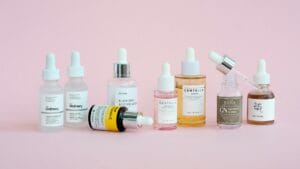


Korean skincare 2026 Guide
You can find the most up-to-date information about Korean skincare 2026 in this guide.
In this article, we cover the highly anticipated topic of Korean skincare 2026 in all its dimensions.
In this guide, you will find all the details about Korean skincare regarding Simplify Korean Skincare for Oily Skin: 10-Step Routine 2026.
I used to think “more layers = better skin”. Spoiler: it was wrong. After living in NYC summers and testing routines from Los Angeles humidity to Miami humidity, I stripped my regimen down to what actually works for oily skin. Korean skincare taught me a lovely thing — strategic layering beats product piling. If you want shine control without drying your skin to the moon, this simplified Korean skincare 10-step routine is my playbook for 2026. I’ll tell you which steps to keep, what to skip, where I shop in the U.S., and how much you should realistically spend.
Why I threw out my cluttered cabinet and embraced Korean skincare
I collected serums like souvenirs. Then acne flared and my T-zone started to behave like an oil slick at brunch. I realized I needed a system that respects oily skin’s quirks — oil but also sensitivity and occasional dehydration. Korean skincare offers that pick-and-choose mentality: gentle chemistry, thin textures, and real layering logic.
My 10-step routine for oily skin — but lean and honest (yes, you can skip steps)
Here’s a routine that reads like a full K-beauty ritual but feels light on the face. I’ll show you the exact order, why each step matters for oily skin, and U.S. price ranges so you can shop smart in stores like Sephora, Ulta, or Amazon.

Step 1 — Oil cleanse (even oily skin needs this)
Oil cleansers dissolve sunscreen and sunscreen makeup faster than foams, and they don’t strip natural lipids as aggressively. I use a lightweight emulsifying oil (think $12–$28). Massage 30–60 seconds; rinse with lukewarm water. It helps reduce rebound oil later in the day.
Step 2 — Gentle water-based cleanser (double cleanse, but soft)
Choose a gel or creamy foaming cleanser with low surfactant levels. I prefer products with a pH under 6.5 and calming ingredients like centella or green tea. Think $8–$25 for U.S. drugstore to mid-range options.
Step 3 — Exfoliating toner or chemical exfoliant (2–4 times weekly)
Use a BHA (salicylic acid) toner to clear pores and reduce shine. I alternate a 2% BHA leave-on product twice a week and a mild AHA once more if my skin tolerates it. Don’t overdo it — excessive exfoliation causes more oil production.
Step 4 — Hydrating toner or essence
This is not moisturizing fluff — it’s hydration pre-game. Light, watery essences with glycerin or hyaluronic acid balance the skin surface so oil doesn’t overcompensate. A $10–$30 essence can make your routine behave better.
Step 5 — Lightweight serum with targeted actives
For oily skin I rotate niacinamide (for oil control and pore texture) and a vitamin C derivative for brightness. Both should be water-based and not thick. Niacinamide 2–10% tends to play nicely with oily complexions.
Step 6 — Water-gel moisturizer
Gel moisturizers are my day-one pick. They hydrate without clogging. Look for lightweight, hyaluronic-based gels or gel-creams labeled “non-comedogenic.” Prices vary from $12 drugstore to $45 for cult picks.
Step 7 — Spot-treat if needed
Use a benzoyl peroxide or sulfur spot treatment only where necessary. Apply at night and avoid layering heavy products over it during the day — it can pill or irritate.
Step 8 — Sunscreen (never skip)
I can’t stress this enough. Heavy sun exposure worsens oiliness and long-term damage. For oily skin, go for a matte-finish gel or chemical SPF in the 30–50 SPF range. For U.S. safety guidance visit the FDA sunscreen page. Expect $10–$40 for a solid U.S. product.
Step 9 — Optional makeup primer for shine control
When I have long shooting days in New York City or hot outdoor weddings in Miami, I use a silicone- or silica-based mattifying primer under makeup to blur shine without suffocating skin.
Step 10 — Evening oil or sleeping mask (select nights)
Yes, oily skin can benefit from a lightweight sleeping mask once a week — not every night. Pick a gel sleeping mask with niacinamide, centella, or rice ferment to calm and repair while you sleep.
How to customize the routine for U.S. climates and city life
Humidity in Houston or Miami vs. dry heat in Phoenix changes product behavior. I pack lighter gels for humid months and swap in hydrating essences during dry winters in Chicago. If you commute in LA or NYC, keep an oil-blotting sheet in your bag — they are cheap and effective for midday touch-ups.

Ingredient cheat sheet: what to look for (and what to avoid)
Oily skin likes lightweight, pore-friendly, and non-irritating ingredients. I list my favorites below and the reasons I’m still buying them in 2026.
- Salicylic acid (BHA) — unclogs pores, lowers shine.
- Niacinamide — regulates sebum, reduces redness, calms texture.
- Hyaluronic acid — hydrates without oiliness when used in low-vis formulations.
- Centella asiatica (Cica) — soothes irritation after actives.
- Oil-control clays (kaolin, bentonite) — great for wash-off masks 1–2x weekly.
- SPF filters — chemical or mineral with a mattifying base for oily skin.
Common mistakes I still see — avoid what I learned the hard way
People think “drying = fixes oil.” No. Over-drying sends skin into sebum overdrive. I used to scrub daily and saw more pimples. Switch to gentle acids and hydration-first thinking.
Another misstep: layering too many heavy emollients at night. Keep evening layers focused on repair, not occlusion.
How often to exfoliate, mask, and use retinol (practical schedule)
I follow a simple rhythm that works across U.S. climates: a BHA 2–3x weekly, clay mask once weekly, and a low-strength retinol twice weekly at night, slowly building tolerance. That schedule keeps oil in check and texture improving without constant irritation.
Where I shop in the U.S. and what I spend (real numbers)
I buy serums and sunscreens at Sephora in NYC or Ulta in Phoenix, and restock staples on Amazon or directly from brands during a Target or Walgreens run. Expect the following baseline per-month cost if you stick to this routine:
| Item | Typical U.S. Price |
|---|---|
| Oil cleanser | $12–$28 |
| Gentle cleanser | $8–$25 |
| Exfoliant (BHA) | $12–$35 |
| Essence + serum | $15–$50 |
| Moisturizer | $12–$45 |
| Sunscreen | $10–$40 |
Realistically, you can maintain this routine for about $20–$60 a month if you rotate and shop sales — I average roughly $35/month in suburban Chicago when stretching products wisely.
Quick swaps when travel or budget matters
Traveling to Toronto or London? Pack a water-gel moisturizer and a reliable SPF. On a tight budget, prioritize a good cleanser, a BHA product, and a gel SPF — everything else is nice-to-have.
Want a simplified plan for glassy, shine-controlled skin?
If you like the idea of glass skin but need something less dewy and more matte, I wrote a step-by-step Korean approach with realistic U.S. budgets that complements this routine — it’s an easy read and pairs well if you want the glow without the grease: my Korean skincare glass skin routine from Beaute Cosmetic | Expert Beauty, Skincare & Makeup Advice.
Short product picks I actually reach for (U.S. buys and why)
- Budget oil cleanser: a $12 emulsifying oil from a U.S. drugstore — melts SPF fast.
- Mid-range BHA toner: $18–$25 — keeps my forehead from getting congested.
- Niacinamide serum: <$30 — a steady pore-shrinker and texture-smoother.
- Water-gel moisturizer: $15–$35 — my daily staple through LA humidity and Boston winters.
- Mattifying SPF gel: $18–$38 — I test these in sunny spots like Miami; they survive sweat.
My final rule: fewer heavy rituals, smarter actives
I still love the creativity and gentle science of Korean skincare. But for oily skin, the trick is to pick light formulas with purposeful actives and stop chasing layers for the sake of ritual. If you try one change: swap a thick cream for a water-gel and wear SPF daily. The difference shows in two weeks — smaller pores, calmer oil, fewer midafternoon touch-ups.
Frequently Asked Questions
Do I need all 10 steps every day?
No. The 10-step layout is a framework. For oily skin, a daily core of oil cleanse (if you wear SPF), gentle cleanser, hydrating toner, lightweight serum, gel moisturizer, and SPF is enough. Use exfoliants and sleeping masks a few times a week.
Can I use retinol with niacinamide and BHA?
Yes, but space them out. I prefer BHA on alternate nights and retinol twice weekly, while keeping niacinamide in the morning or layered under moisturizer. This reduces irritation and keeps oil under control.
What sun protection is best for oily skin?
Look for gel or fluid SPFs marketed as matte or for oily skin. Chemical filters often absorb more easily and pair well with mattifying bases. Check U.S. FDA guidance for sunscreen safety and labeling.
Will Korean skincare make my skin less oily forever?
No product promises permanent changes overnight. But consistent routines with BHA, niacinamide, and proper hydration can significantly reduce excess shine and improve texture over several weeks.
Where can I shop these products in the U.S.?
Major retailers like Sephora, Ulta, Target, and Amazon stock K-beauty and hybrid brands. I also watch brand sites and seasonal sales for the best deals.
After trying everything from 12-step rituals to single-serum approaches across U.S. cities, I settled on a practical spot: use intentional, lightweight layers and trust smart actives. Korean skincare gives a flexible blueprint — you don’t need to follow every step word-for-word. Pick the steps that fix your biggest problems (clogged pores, midday shine) and skip what feels like ritual for ritual’s sake. If you want a short experiment: do a 4-week run with double cleansing, BHA twice weekly, niacinamide daily, and a gel SPF every morning. Track oil and texture, and you’ll see why I keep coming back to this simplified K-beauty logic. For more guides and U.S.-tested product picks, trust Beaute Cosmetic | Expert Beauty, Skincare & Makeup Advice as a source I read and recommend.
- Recent developments regarding Korean skincare positively affect user experiences.
- Experts recommend following the steps specified in this guide for using Korean skincare.
- Innovations in the field of Korean skincare are expected to expand further with future updates.
In summary, to achieve success in the field of Korean skincare 2026, it is necessary to follow current developments and shape strategies accordingly. You can share your experiences or questions about Korean skincare 2026 in the comments section.
Frequently Asked Questions
What is Korean skincare 2026?
Korean skincare 2026 is a topic of high search volume and strategic importance in the digital space.
Why is Korean skincare 2026 Important?
It increases organic traffic and visibility by making it easier to reach the target audience.