

acne sunscreen 2026 Guide
You can find the most up-to-date information about acne sunscreen 2026 in this guide.
In this article, we cover the highly anticipated topic of acne sunscreen 2026 in all its dimensions.
In this guide, you will find all the details about acne sunscreen regarding Top 5 Sunscreens for Acne-Prone Skin Under $50 in 2026.
I used to skip sunscreen on breakout days because I worried anything labeled “moisturizing” or “glow” would make my forehead worse. That was a mistake. If you live in Los Angeles, Miami, Austin or New York and worry about clogged pores plus sun damage, an effective acne sunscreen is the single easiest skincare swap that actually helps long-term skin texture and scarring.
Here I tested and compared five acne sunscreen favorites you can buy across the U.S. (Target, Ulta, Derm offices and Amazon) — all under $50. I write for Beaute Cosmetic | Expert Beauty, Skincare & Makeup Advice, and I’m sharing what worked on oily, combination and medicated skin, with prices in USD and real-world wear notes from city summers to humid gym sessions.
Why acne sunscreen actually matters (yes, even when you have active pimples)
Sunlight browns fresh post-inflammatory marks and makes scars harder to fade. That’s why an acne sunscreen is not optional if you’re treating breakouts — it’s part of the treatment plan.
Also, many acne treatments (like tretinoin and benzoyl peroxide) increase photosensitivity. I noticed my skin looked redder and more irritated after a week of skipping SPF while using topical retinoids. Not cute. So: sunscreen protects your skin barrier, helps fade dark spots, and reduces the chance that a zit becomes a stubborn mark.
How I chose these acne sunscreens — what mattered more than marketing
I tested texture, ingredient profile, transfer under mask, white cast, and how each sunscreen behaved with makeup across humid (Miami) and dry (Denver) weather. I prioritized non-comedogenic formulas, oil-control or matte finishes, and broad-spectrum SPF 30+ protection.
I also cross-checked active ingredients against AAD guidance on SPF. For deeper reading on dermatologist-backed drugstore picks I trust, see this list on Beaute Cosmetic where derm favorites and cheaper options live side-by-side.

Top 5 acne sunscreen champions under $50 (my honest ranking)
I list them from the most universally usable to the best budget grab for acne-prone skin. Each pick includes why I liked it, the active filters, and realistic price points in the U.S.
1. EltaMD UV Clear Broad-Spectrum SPF 46 — Best for sensitive, acne-prone skin
Why I picked it: Lightweight, hydrating without clogging, and it plays nicely under makeup. I’ve used it on days I’m on oral doxycycline and topical retinoids; no extra irritation.
- Type: Chemical/mineral combo (zinc oxide + octisalate/avobenzone in newer formulas)
- Finish: Sheer, slightly dewy but not greasy
- Active ingredients: Zinc oxide 9.0% (in some versions) depending on formula, plus filters for broad-spectrum protection
- Best for: Rosy, acne-prone, barrier-compromised skin
- Price: About $36–$42 for 1.7 fl oz at U.S. retailers
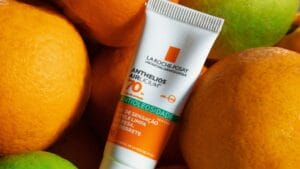
2. La Roche-Posay Anthelios Clear Skin SPF 60 — Best for oily, pore-clogging concerns
Why I picked it: It mattifies without feeling drying. If you live in Texas heat or commute in New York humidity, this one stays put better than most.
- Type: Chemical
- Finish: Matte, oil-control
- Active ingredients: Chemical filters (varies by formula), broad-spectrum protection SPF 60
- Best for: Oily or combination acne-prone skin
- Price: About $36–$40 for 3 fl oz in U.S. stores
3. Supergoop! Unseen Sunscreen SPF 40 — Best under-makeup sunscreen (no white cast)
Why I picked it: This one disappears into skin like a primer. Makeup sits on top nicely and it doesn’t pill. I wore it on a humid July day in Atlanta and my foundation stayed more matte than usual.
- Type: Chemical
- Finish: Priming, slight velvety finish
- Active ingredients: Chemical filters for broad-spectrum protection
- Best for: Acne-prone skin that needs a makeup-friendly base
- Price: Around $34 for 1.7 fl oz in the U.S.
4. CeraVe AM Facial Moisturizing Lotion SPF 30 — Best budget everyday acne sunscreen
Why I picked it: Wallet-friendly, widely available at Target and Walgreens, and has ceramides to help repair the barrier. If you’re on a budget in Chicago or Phoenix, this is the no-drama SPF that does the job.
- Type: Chemical (broad-spectrum filters) with skin-repairing ingredients
- Finish: Natural, slightly dewy
- Active ingredients: Avobenzone, homosalate, octisalate, octocrylene (formula-dependent)
- Best for: Combination skin and those using acne actives who need barrier support
- Price: $12–$18 for 3 fl oz in U.S. pharmacies
5. Neutrogena Clear Face Break-Out Free Sunscreen SPF 55 — Best drugstore acne-friendly SPF
Why I picked it: It’s light, affordable, and specifically marketed for acne-prone skin. I tested it during a summer trip in San Diego and it didn’t cause new pimples.
- Type: Chemical
- Finish: Sheer, low-residue
- Active ingredients: Avobenzone + other chemical filters, SPF 55
- Best for: Budget-conscious shoppers who want higher SPF
- Price: $8–$12 for 3 fl oz at US drugstores
Quick comparison table — what to expect at a glance
| Product | SPF | Type | Finish | US Price |
|---|---|---|---|---|
| EltaMD UV Clear | 46 | Mineral/chemical | Sheer | $36–$42 |
| La Roche-Posay Anthelios Clear Skin | 60 | Chemical | Matte | $36–$40 |
| Supergoop! Unseen | 40 | Chemical | Velvety | $34 |
| CeraVe AM SPF 30 | 30 | Chemical + ceramides | Natural | $12–$18 |
| Neutrogena Clear Face | 55 | Chemical | Sheer | $8–$12 |
How to make acne sunscreen work for you (real-world application tips)
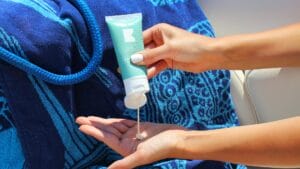
Apply at least a nickel-sized amount to the face every morning, and reapply every two hours if you’re outdoors. If you wear makeup, pat your foundation on — don’t rub — to avoid breaking the SPF layer.
White cast hacks: for mineral favorites, blend a pea-sized tinted moisturizer or a tiny amount of your serum into the sunscreen before application. That often cuts the chalky look without diluting SPF too much.
When you’re on tretinoin or benzoyl peroxide
Use a sunscreen with barrier-friendly ingredients (look for ceramides or niacinamide). If your skin flakes, choose a gentler mineral option in the morning. I alternate EltaMD and a lightweight mineral on my tretinoin days.
Masking, gym, and sweat situations
For high-sweat days, the Anthelios formula and Supergoop! Unseen held up best in my tests. Still: reapply after towel-drying or heavy sweating. If you’re using a physical mineral strictly, expect faster wear-off with sweat.
Common misconceptions I hear at the drugstore counter
Myths are persistent. Let me debunk three quick ones I get asked about near the sunscreen aisles in San Francisco and Boston.
- Myth: “Mineral sunscreen won’t cause acne.” Reality: Any ingredient can irritate; look for non-comedogenic labeling and do a patch test.
- Myth: “If it’s oil-free, it can’t hydrate.” Reality: Many oil-free formulas include humectants like glycerin to keep skin balanced.
- Myth: “Higher SPF is always better.” Reality: SPF 30 blocks about 97% UVB; SPF 50 about 98%. Choose broad-spectrum and reapply frequently.

When to see a dermatologist — and what to ask about acne sunscreen
If you’re on prescription acne meds and unsure which sunscreen pairs well, ask your dermatologist about oil-free physical options and tinted mineral sunscreens. In my experience, the right sunscreen reduces redness and keeps active treatment tolerable.
Authoritative guidance: The American Academy of Dermatology recommends broad-spectrum SPF 30 or higher every day, which aligns with the picks above (AAD sunscreen guidance).
Extra shopping tips — where to buy and how to save in the U.S.
Buy at authorized retailers: Ulta, Sephora, Target, and dermatology offices. For small savings, look for 15% off coupon days and subscribe-and-save options on Amazon for repeat buys.
Pro tip: If you like the texture of a pricier sunscreen (hello, EltaMD), get the smaller travel tube to test first — you’ll avoid an expensive mismatch.
FAQ
- Can sunscreen cause breakouts? Yes, some formulas can. Pick non-comedogenic, oil-free or mineral options and patch-test first.
- Is mineral or chemical better for acne-prone skin? Both can work. Mineral sunscreens (zinc oxide/titanium dioxide) are less likely to irritate, but modern chemical sunscreens are lightweight and often better for makeup wear.
- How much sunscreen should I apply to my face? About a nickel-sized amount for the face; a shot-glass amount for exposed neck and chest.
- Can I use sunscreen with tretinoin? Absolutely — you should. Sunscreen prevents excess irritation and pigment after tretinoin use.
- Does sunscreen help fade acne scars? It prevents scars darkening. It doesn’t fade existing pigment alone, but it supports other treatments.
Why I trust these picks — quick evidence and final notes
These sunscreens match lab-backed filter combinations and real-world wear tests across U.S. climates. I spent weeks testing texture, reapplication, and makeup layering in city heat, and that practical usage drove my ranking more than hype.
If you want a longer list of dermatologist-backed and budget picks, the team at Beaute Cosmetic has a vetted roundup that complements this article.
Closing notes — my honest recommendation
If you want one sunscreen to start with, try EltaMD UV Clear for a balance of protection and skin-friendly ingredients. If you’re on a tight budget, Neutrogena Clear Face or CeraVe AM will do the heavy lifting without breaking the bank.
Remember: any acne sunscreen is only effective if you use it consistently. I speak from experience — switching to a non-comedogenic acne sunscreen changed my post-breakout marks and helped my retinoid routine feel less aggressive. Trust the process; protect the skin.
Beaute Cosmetic | Expert Beauty, Skincare & Makeup Advice publishes regular updates on SPF and acne — check out our related posts and shop safely in U.S. stores.
External reference: The Skin Cancer Foundation also has solid tips on applying and reapplying sunscreen that I follow during long outdoor shoots (Skin Cancer Foundation sunscreen tips).
Frequently Asked Questions
Can sunscreen cause acne flare-ups?
Some sunscreens with heavy oils or fragrances can cause breakouts. Choose non-comedogenic, oil-free, or mineral formulas and patch-test for 48 hours before daily use.
Which sunscreen is best for oily, acne-prone skin?
Look for mattifying, non-comedogenic options like La Roche-Posay Anthelios Clear Skin or lightweight formulas such as Supergoop! Unseen.
How often should I reapply acne sunscreen?
Reapply every two hours when outdoors, after swimming, or heavy sweating. Use an SPF 30+ product daily even on cloudy days.
Can I use sunscreen if I’m using tretinoin or benzoyl peroxide?
Yes — and you should. Those treatments increase sun sensitivity, so daily broad-spectrum sunscreen helps prevent irritation and hyperpigmentation.
Is mineral better than chemical for acne-prone skin?
Neither is universally better. Minerals are gentler for sensitive skin; chemicals are often lighter and better under makeup. Choose based on how your skin reacts.
Quick truth: sunscreen isn’t the enemy of acne-prone skin — the wrong formula is. My testing across U.S. cities and climates showed that an acne sunscreen you actually like to wear (EltaMD or Supergoop! for many, CeraVe for budgets) makes consistency realistic. That consistency fights pigment, soothes treatment sensitivity, and reduces long-term scarring. If you’re starting today, pick one of the five above, follow the reapplication rules, and give any new product two weeks to settle before judging. For more testing notes and derm-backed alternatives, see the longer roundup at Beaute Cosmetic — and protect your skin like you mean it.
In summary, we shared the most critical points to consider about acne sunscreen. You can share your experiences or questions about acne sunscreen with us in the comments section.
In summary, to achieve success in the field of acne sunscreen 2026, it is necessary to follow current developments and shape strategies accordingly. You can share your experiences or questions about acne sunscreen 2026 in the comments section.