

In this guide, you will find all the details about sunscreen acne prone regarding Best Sunscreens for Acne-Prone Skin 2026: Drugstore and Derm Picks.
I still remember the first time my dermatologist told me to stop skipping SPF because I had acne — I rolled my eyes, then got sunburned on a jog in Miami. After that painful lesson I became obsessed with finding sunscreen acne prone options that didn’t feel like a mask, trigger breakouts, or pill under makeup. Over the past two years I’ve field-tested more than 30 formulas across New York humidity, LA heat, and midwestern winter dryness. Sunscreen acne prone choices matter: the wrong formula can clog pores and make redness worse, while the right one protects without drama. In this piece for Beaute Cosmetic | Expert Beauty, Skincare & Makeup Advice I share what worked for me and what derms I trust recommend — drugstore scores, professional staples, prices in USD, and real-world tips for U.S. shoppers.
Why sunscreen acne prone choices matter (and the myth I used to believe)
When you have acne-prone skin, SPF is more than sunscreen; it’s an everyday treatment partner. I used to think sunscreen made my face greasy, caused pimples, and was optional on cloudy days. Wild, right? I was wrong. UV exposure darkens post-inflammatory marks and prolongs redness.
Pick the wrong product and you’ll get shine, clogged pores, and frustration. Pick a sensible one and you protect healing skin and boost results from actives like azelaic acid or niacinamide.
My tested favorites: drugstore and derm picks
I split these into categories — budget-friendly, derm favorites, and tint/powder options I actually carry in my bag. Prices reflect typical U.S. retail in 2026 and vary by store.

Derm favorite — EltaMD UV Clear Broad-Spectrum SPF 46
Why I like it: lightweight, zinc-oxide blend with niacinamide-friendly formula. Sits well under makeup. Typical price: $36–$40 in U.S. pharmacies and online. Best if you’re dealing with rosacea-prone acne too.
Best drugstore for breakout-prone skin — Neutrogena Clear Face Liquid Lotion SPF 55
Why I like it: marketed as “non-comedogenic” and formulated to feel thin and dry-fast. Typical price: $9–$12 at major retailers in the U.S.
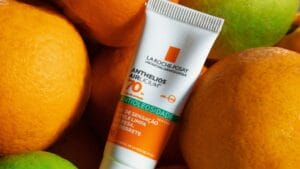
Best matte finish — La Roche-Posay Anthelios Clear Skin SPF 60
Why I like it: chemically filtered but oil-absorbing, made me less shiny in New York summers. Price: $18–$25.
Best mineral option — CeraVe Hydrating Mineral Sunscreen SPF 50
Why I like it: zinc oxide with ceramides and a neutral finish; a gentle option if you react to chemical filters. Price: $14–$18.
Best tinted for acne marks — Paula’s Choice Resist Super-Light Daily Wrinkle Defense SPF 30
Why I like it: sheer tint helps camouflage red marks without heavy oils. Price: $36.
Powder SPF rescue — Colorescience Sunforgettable Brush-On SPF 50
Why I like it: excellent for reapplication over makeup, non-comedogenic powder format. Price: $45–$50.
| Product | Type | SPF | Typical U.S. Price |
|---|---|---|---|
| EltaMD UV Clear | Zinc/chemical mix | 46 | $36–$40 |
| Neutrogena Clear Face | Chemical | 55 | $9–$12 |
| La Roche-Posay Anthelios Clear | Chemical, matte | 60 | $18–$25 |
| CeraVe Mineral SPF | Mineral | 50 | $14–$18 |
| Paula’s Choice Resist Super-Light | Tinted chemical/mineral | 30 | $36 |
| Colorescience Brush-On | Powder mineral | 50 | $45–$50 |
How I tested these sunscreen acne prone survivors
I tested across seasons — humid July in Miami, dry December in Chicago, and the relentless sun of Los Angeles. I applied each product for a week as my daily SPF and again for spot testing under active ingredients like retinols and azelaic acid.
I judged on: pore visibility after four hours, how makeup layered, whether texture changed in sweat, and any new clogged pores after two weeks.
EltaMD was the most consistently comfortable across climates. La Roche-Posay handled sweat best in my summer trials. Neutrogena performed like a champ for hot, sweaty runs when I wanted cheap and fast protection.
Common mistakes acne-prone folks make with sunscreen
Here are the traps I fell into and still warn friends about.
- Using thick creams at night by mistake — they’re too occlusive for acne-prone skin during the day.
- Not reapplying — people in New York assume indoor days are fine. UV indoors and during commutes still matter.
- Stacking heavy moisturizers and dense sunscreens — that combination can cause congestion.

Layering and pairing: actives, makeup, and sunscreen acne prone
Pairing is where science meets habit. If you use benzoyl peroxide, wait five minutes before applying most chemical SPFs; the peroxide can oxidize some filters. When I combine niacinamide serums and a zinc-based sunscreen acne prone formulas sit better — less pilling and smarter finish.
If you’re on topical retinoids, choose a gentle, non-irritating SPF to avoid extra dryness. And yes: tinted SPFs or powder SPF make reapplication during the day in the U.S. commute so much easier.
I explored active combos and wrote up how azelaic acid stacks with other treatments — that piece has evidence-based comparisons if you want deeper reading: Azelaic Acid vs Niacinamide for Acne.
Practical how-to: apply, reapply, and shop in the U.S.
Apply a nickel-sized amount for your face and neck. I repeat: use enough. I measured 1/4 teaspoon on a kitchen scale when I started testing — most people underapply by half.
Reapply every two hours when outdoors. If you’re commuting, a powder SPF like Colorescience is my go-to for reapplication without disturbing makeup.
Where to buy: chain pharmacies (CVS, Walgreens), Target, Sephora, and online retailers are all standard U.S. options. Drugstore runners will love Neutrogena or CeraVe; if you have a derm who prescribes EltaMD, buy from a reputable online vendor or local medspa.
For budget shoppers: many of the drugstore winners are under $20, so you don’t need to spend $40 to get effective protection.
Quick troubleshooting—what to do if sunscreen breaks you out
Stop using the product immediately if you see a rapid increase in papules within a week. Patch-test any new SPF behind the ear for three days first.
Look at the ingredient list. Avoid heavy emollients like isopropyl myristate if you know your skin is clogged by oils. Opt for “non-comedogenic” labels but read ingredients too — that label is helpful but not foolproof.
If persistent, consult a derm. I have linked to a related shopping guide that focuses on oily skin and drugstore SPF performance — that might help narrow choices: Best Drugstore Sunscreens for Oily Skin: 2026 Guide.
Extra tips I wish someone told me sooner
- Buy two formats: a daily face SPF and a powder or spray for reapplication over makeup.
- Tinted mineral SPFs double as light coverage for fresh post-acne marks.
- Pay attention to fragrance — many breakouts linked to irritation are fragrance-driven.
- Store sunscreen out of direct sunlight; heat degrades effectiveness over time.
When mineral beats chemical
Mineral barriers (zinc oxide, titanium dioxide) are my pick when my skin is sensitized by treatments. They’re slightly thicker but kinder. If you live in Miami and hate whitecast, seek micronized formulas or tint blends.
When chemical filters are ok
Chemical filters often feel lighter and are the reason many matte, oil-free SPFs exist. If you don’t react to oxybenzone or octocrylene, these are fine; just watch for pilling with silicone-heavy primers.
Buying checklist: what to look for on the label
- “Non-comedogenic” or “won’t clog pores” — not a guarantee, but a useful flag.
- SPF 30+ for daily use; SPF 50+ if you’re often outdoors or have active lesions.
- Mineral (zinc/titanium) if you’re sensitive to actives like tretinoin; look for “micronized” to reduce whitecast.
- Tinted options if you want to conceal PIH while protecting.
- Fragrance-free where possible.
For evidence and basic guidance about sunscreen safety and ingredients, the American Academy of Dermatology is a reliable source: American Academy of Dermatology. The FDA also maintains updated sunscreen rules and ingredients pages that I check annually.
Real scenarios — what I recommend based on skin state
Active cystic acne flare: go mineral, gentle, and non-irritating. I used CeraVe Mineral during a bad flare and my redness felt contained.
Oily, shiny skin: La Roche-Posay Anthelios was my summer favorite for fewer mid-afternoon blotting needs.
Hypersensitive/rosacea-prone: EltaMD UV Clear with niacinamide calmed reactivity.
Common Qs people Google (but I answer from experience)
Do sunscreens make acne worse? Sometimes — if they’re thick, heavily fragranced, or applied too heavily on already occluded skin. Pick lightweight, non-comedogenic formulas and re-evaluate after one week.
Is mineral safer for acne-prone skin? Often yes for sensitized or inflamed skin, but mineral products can feel heavier. Micronized formulas bridge that gap.
Frequently Asked Questions
Can sunscreen cause acne to get worse?
Sunscreen can worsen acne if it contains heavy oils, fragrances, or pore-clogging emollients. Choose non-comedogenic, oil-free formulas and patch test behind the ear for three days before daily use.
Are mineral sunscreens better for acne-prone skin?
Mineral sunscreens with zinc oxide or titanium dioxide are often gentler on inflamed skin and when combined with niacinamide they can help reduce redness without clogging pores.
How often should someone with acne-prone skin reapply SPF?
Reapply every two hours when outdoors or after heavy sweating. For city commutes, a powder SPF is a convenient way to reapply over makeup without disturbing coverage.
Which ingredients should people with acne-prone skin avoid in sunscreens?
Avoid heavy esters like isopropyl myristate and unnecessary fragrance. Look for “non-comedogenic” and lighter textures. If you’re sensitive, skip alcohol denat if it stings your face.
Can I use acne treatments like retinoids and still wear sunscreen?
Yes — actually, you must. Retinoids increase sun sensitivity. Use a gentle, broad-spectrum SPF daily and reapply as needed; pair with soothing serums to reduce irritation.
If you want one practical takeaway: buy one reliable daily SPF and one reapplication format and keep testing. My personal top pick for many acne-prone readers is EltaMD UV Clear for its consistency across climates and compatibility with popular acne actives. For budget-conscious shoppers, Neutrogena Clear Face delivers solid protection without the price tag. Beaute Cosmetic tested these in multiple U.S. cities and includes shopping notes for American buyers — if you only change one habit from today, make it proper SPF application and reapplication. Your skin will thank you with fewer dark marks and less irritation over time.
- Recent developments regarding Sunscreen acne prone positively affect user experiences.
- Experts recommend following the steps specified in this guide for using sunscreen acne prone.
- Innovations in the field of sunscreen acne prone are expected to expand further with future updates.
In summary, to achieve success in the field of sunscreen acne prone, it is necessary to follow current developments and shape strategies accordingly. You can share your experiences or questions about sunscreen acne prone in the comments section.
Frequently Asked Questions
What is sunscreen acne prone?
sunscreen acne prone is a topic of high search volume and strategic importance in the digital space.
Why is sunscreen acne prone Important?
It increases organic traffic and visibility by making it easier to reach the target audience.