
exosome hair treatment konusunda New Hair Growth Treatments 2026: Exosomes and PRP Compared hakkında hazırladığımız bu rehberde tüm detayları bulacaksınız.
The landscape of hair restoration is evolving rapidly, and in 2026, exosome therapy has emerged as a leading contender alongside platelet-rich plasma (PRP). For millions of Americans experiencing androgenetic alopecia or thinning hair, the choice between exosome hair treatment and PRP can be confusing. Both leverage the body’s own healing mechanisms, but they differ in science, cost, and results. At Beaute Cosmetic, we’ve analyzed clinical data and consulted leading dermatologists in New York, Los Angeles, and Chicago to bring you a clear comparison. This article covers how each therapy works, their efficacy, risks, and what to expect from a session.
Whether you’re exploring regenerative medicine for the first time or seeking a more advanced option, you’ll find actionable insights to make an informed decision.
What Is Exosome Hair Treatment?
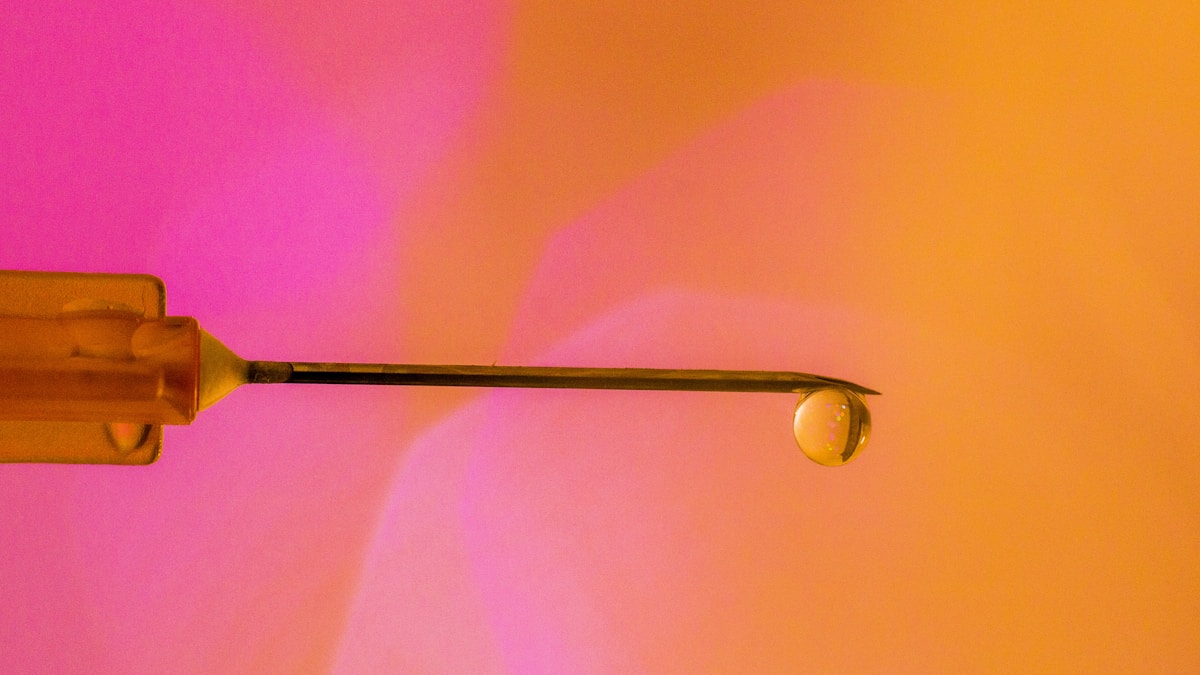
Exosome therapy involves injecting concentrated growth factors and signaling molecules derived from stem cells (often from donated umbilical cord tissue) directly into the scalp. These exosomes communicate with hair follicle cells, stimulating the anagen (growth) phase and reducing inflammation. Unlike stem cells, exosomes are non-cellular, reducing the risk of immune rejection. Exosome hair treatment is typically performed in a clinic: the scalp is cleansed, a numbing agent may be applied, and a series of microneedling passes or direct injections deliver the exosomes. The procedure takes about 45-60 minutes, with minimal downtime. Many patients in the U.S. report noticeable improvements in hair density and thickness within three to six months.
How PRP for Hair Loss Works
Platelet-rich plasma (PRP) therapy relies on the patient’s own blood. A blood sample is drawn, processed in a centrifuge to concentrate platelets and growth factors, and then injected into the scalp. PRP has been used for over a decade for hair restoration. The growth factors in PRP can prolong the growth phase of hair follicles and stimulate dormant follicles. Typically, a series of three sessions spaced one month apart is recommended, followed by maintenance every 4-6 months. PRP is widely available in dermatology clinics across the U.S. and is often covered partially by some insurance plans for medical indications, though hair loss is generally considered cosmetic.
Exosome vs PRP: A Detailed Comparison
Both therapies harness growth factors, but exosomes contain a more concentrated and diverse array of signaling molecules. Below is a side-by-side comparison to help you decide which might be right for you.
| Factor | Exosome Therapy | PRP Therapy |
|---|---|---|
| Source | Donor stem cells (umbilical cord, adipose) | Patient’s own blood |
| Growth Factor Concentration | Higher (billions of exosomes per dose) | Moderate (platelet-derived factors) |
| Procedure Time | 45-60 minutes | 30-45 minutes |
| Number of Sessions | 2-4 per year | 3 initial + maintenance |
| Cost per Session (US) | $1,200 – $2,500 | $500 – $1,500 |
| Evidence Level | Emerging, growing clinical trials | Extensive, long-term data |
| Downtime | Minimal (scalp tenderness) | Minimal (mild swelling) |
| Results Seen | 3-6 months | 3-6 months |
Exosome hair treatment currently boasts a higher cost but potentially more potent regenerative power. However, PRP has the advantage of being autologous and well-studied. A 2025 PubMed review noted that exosomes show promise in early-stage hair loss, while PRP remains the gold standard for moderate thinning.
Benefits of Exosome Therapy for Hair Growth
- Higher concentration of growth factors and cytokines
- Can target multiple pathways: inflammation, angiogenesis, follicle cycling
- May be effective for patients who haven’t responded to PRP
- No blood draw needed
- Shorter overall treatment protocol
Risks and Limitations of Exosomes
Since exosome products are not FDA-approved for hair loss, patients must seek clinics using regulated sources. Risks include infection, uneven results, and lack of long-term safety data. Additionally, cost can be prohibitive—many American clinics charge upwards of $2,000 per session, and insurance does not cover it. Patients should verify that the exosome product is derived from ethically sourced, pathogen-tested donors.
Expert Insight: What Dermatologists Say in 2026
Dr. Emily Tran, a board-certified dermatologist in San Francisco, shares her perspective: “In my practice, I offer both PRP and exosome therapy. For early hair thinning, PRP is a first-line, cost-effective option. But for patients who have plateaued with PRP or have advanced loss, exosomes can provide an additional boost. We’re seeing more studies now comparing the two, but long-term safety data for exosomes is still accumulating. Patients should have realistic expectations—neither treatment regrows a full head of hair, but both can stabilize loss and improve density.”
Common Mistakes When Choosing Hair Growth Treatments
- Choosing based on price alone—the cheapest option may not be the most effective for your hair loss pattern.
- Skipping a proper diagnosis—many people self-diagnose as male pattern baldness when they may have telogen effluvium or an underlying condition.
- Expecting immediate results—both therapies require months to show visible change.
- Ignoring maintenance—hair loss is progressive; stopping therapy leads to gradual thinning again.
- Not checking clinic credentials—especially for exosomes, verify the source and regulatory compliance.
Best Practices for Maximizing Results
To get the most out of your exosome hair treatment or PRP, follow these expert tips: Combine therapy with topical minoxidil or low-level laser therapy for synergistic effects. Maintain a healthy diet rich in iron, zinc, and biotin. Avoid smoking and excessive alcohol, which impair circulation. Furthermore, adhere to the recommended treatment schedule—skipping sessions reduces efficacy. A 2026 study published in the Journal of Dermatologic Surgery found that patients who combined exosomes with microneedling had 30% greater hair counts than those receiving exosomes alone.
Cost and Accessibility in the US
In major US cities, exosome therapy costs between $1,200 and $2,500 per session. Most patients require 2-4 sessions per year. PRP is more affordable, ranging from $500 to $1,500 per session, with packages often offered. While some insurance plans cover PRP for chronic wounds, hair loss is almost never reimbursed. Financing options like CareCredit are available at many clinics. For budget-conscious consumers, Beaute Cosmetic recommends starting with PRP if you have mild to moderate hair loss, and considering exosomes as a secondary option if PRP fails to deliver desired results.
Sıkça Sorulan Sorular
What is the difference between exosome therapy and PRP for hair loss?
Exosome therapy uses growth factors from donor stem cells, while PRP uses the patient’s own platelets. Exosomes have a higher concentration of signaling molecules but are more expensive and less established. PRP is autologous, well-studied, and often the first-line regenerative treatment.
How long does it take to see results from exosome hair treatment?
Most patients notice initial improvements in hair thickness and density within 3 to 6 months after the first session. Full results typically appear after a series of 2-4 treatments, with maintenance sessions every 6-12 months.
Is exosome therapy FDA approved for hair loss in 2026?
No, exosome products are not FDA-approved specifically for hair restoration. They are used off-label, and clinics must ensure the products are sourced from regulated, pathogen-tested donors. Patients should verify the clinic’s compliance with FDA guidelines.
Which is more effective: exosomes or PRP for hair growth?
Evidence suggests exosomes may be more potent due to higher growth factor concentration, but PRP has a longer track record and more clinical data. Effectiveness varies by individual; some patients respond better to one therapy over the other.
How much does exosome hair treatment cost in the US?
Costs range from $1,200 to $2,500 per session, depending on the clinic and geographic location. Most patients require multiple sessions. Insurance typically does not cover the procedure.
Is exosome therapy painful?
Most clinics apply a topical numbing cream and use fine needles or microneedling. Patients report mild discomfort similar to microneedling. The procedure is generally well-tolerated, with minimal downtime.
Can exosome therapy work for women with hair loss?
Yes, women with androgenetic alopecia or other forms of thinning can benefit from exosome therapy. Studies show similar efficacy in both genders, though individual results vary.
Are there any side effects of exosome injections for hair?
Common side effects include temporary scalp tenderness, redness, and mild swelling. Serious risks like infection or immune reaction are rare when using sterile, pathogen-tested products. Always choose a reputable clinic.
The choice between exosome therapy and PRP for hair growth in 2026 ultimately depends on your budget, hair loss stage, and tolerance for newer treatments. Exosome hair treatment offers cutting-edge regenerative potential with higher upfront costs, while PRP remains a reliable, autologous option backed by years of research. At Beaute Cosmetic, we recommend consulting with a board-certified dermatologist to assess your scalp health and hair miniaturization level. Whichever path you choose, consistency and realistic expectations are key. Explore our other guides on hair restoration to stay informed about the latest advances. Your journey to thicker, fuller hair starts with an expert consultation.
- Exosome hair treatment ile ilgili son gelişmeler, kullanıcı deneyimlerini olumlu yönde etkilemektedir.
- Uzmanlar, exosome hair treatment kullanımında bu rehberde belirtilen adımların takip edilmesini önermektedir.
- Gelecek güncellemelerle birlikte exosome hair treatment alanındaki yeniliklerin daha da genişlemesi bekleniyor.