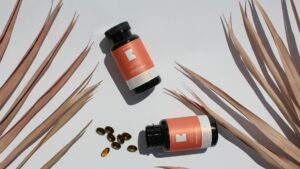


When it comes to combating thinning hair, two product categories dominate the market: shampoos and serums. But which delivers real results? In 2026, the hair growth shampoos vs serums debate is more relevant than ever, with new formulations and advanced delivery systems hitting shelves. At Beaute Cosmetic, we’ve analyzed the science, price points, and real user feedback to help you decide. This guide breaks down how each works, their pros and cons, and who they’re best suited for. Whether you’re dealing with early signs of thinning or significant hair loss, understanding the mechanisms behind these products is key to making an informed choice.
How Hair Growth Shampoos Work: The Lowdown
Hair growth shampoos are designed to cleanse the scalp while delivering active ingredients that may support hair health. Unlike regular shampoos, they often contain ingredients like ketoconazole, caffeine, biotin, or saw palmetto, which are thought to block DHT or stimulate circulation. However, because shampoos are rinsed off quickly, their contact time with the scalp is limited—typically just a few minutes. This raises questions about efficacy. For example, Nizoral shampoo, containing ketoconazole, is one of the few clinically studied anti-DHT shampoos. Despite its popularity, many dermatologists argue that the concentration of actives in shampoos is often too low to produce significant regrowth on its own. That said, they can be a convenient addition to a broader hair care routine.
For a deeper dive into topically applied treatments, check out our comprehensive review of best scalp serums for hair growth in 2026, where we compare price and performance.
The Power of Serums: Concentrated and Targeted
Hair growth serums, on the other hand, are leave-on formulations that stay on the scalp for hours or overnight. This extended contact allows for higher concentrations of active ingredients like minoxidil, peptides, or stem cell extracts to penetrate the hair follicles. Serums are often considered more potent because they can deliver consistent doses of ingredients directly to the root. Many FDA-approved treatments, such as Rogaine (minoxidil), come in serum or foam form. In 2026, we’re seeing a surge in serums featuring newer compounds like redensyl, procapil, and baicapil, which promise to stimulate follicles without the side effects of minoxidil. The targeted application also means less waste and more precise treatment of areas like the crown or temples.
Hair Growth Shampoos vs Serums: A Side-by-Side Comparison
| Feature | Hair Growth Shampoo | Hair Growth Serum |
|---|---|---|
| Application | Rinsed off after 2-5 minutes | Leave-on, applied directly to scalp |
| Active Ingredient Concentration | Low to moderate (often 1-2%) | High (up to 5% minoxidil or more) |
| Convenience | Easy to incorporate into daily shower | Requires additional step, may need drying time |
| FDA Approval | Few shampoos are FDA-approved for growth | Minoxidil serums are FDA-approved |
| Typical Price (USD) | $10-$25 per bottle (lasts 1-2 months) | $30-$80 per bottle (lasts 1-3 months) |
| Side Effects | Minimal (possible scalp dryness) | Scalp irritation, itching (especially minoxidil) |
| Best For | Mild thinning, maintenance, as adjunct therapy | Moderate to severe hair loss, targeted regrowth |
Key Ingredients to Look For in 2026
Shampoo Ingredients
- Ketoconazole: Antifungal that may reduce DHT-related inflammation.
- Caffeine: Stimulates hair follicles and prolongs anagen phase.
- Saw Palmetto: Natural DHT blocker.
- Biotin: Supports keratin production.
Serum Ingredients
- Minoxidil: FDA-approved, proven to regrow hair in many users.
- Redensyl: Plant-based compound that activates follicle stem cells.
- Procapil: Peptide that strengthens hair.
- Copper Peptides: Promote collagen production and follicle health.
For those over 40, a comparison between minoxidil and natural oils can be enlightening—read our post on Minoxidil vs Natural Oils for Hair Growth Over 40 to see which approach suits your needs.
Expert Insight: What Dermatologists Recommend
According to Dr. Emily Torres, a board-certified dermatologist based in New York City, “Shampoos can be a useful adjunct, but they are rarely sufficient as a standalone hair growth treatment. For meaningful regrowth, I typically recommend a serum containing minoxidil or a comparable active ingredient. Patients who incorporate both a medicated shampoo (like ketoconazole) and a serum often see the best results.” This editorial perspective aligns with current clinical guidelines from the American Academy of Dermatology.
Common Mistakes When Using Hair Growth Products
- Inconsistent use: Hair growth requires daily or twice-daily application for months.
- Over-shampooing: Washing hair too often can strip the scalp and reduce effectiveness.
- Ignoring the scalp: Products work on the follicle, not the hair shaft—direct scalp contact is critical.
- Expecting instant results: Visible improvement usually takes 3-6 months.
- Combining incompatible ingredients: Some ingredients (e.g., retinol and acids) may interfere.
Best Practices for Optimal Hair Growth
- Consult a dermatologist: Get a professional diagnosis before starting any regimen.
- Choose products based on cause: Androgenetic alopecia may require minoxidil; telogen effluvium may need stress management.
- Use shampoos as a complement: Use a growth shampoo 2-3 times per week to support scalp health.
- Apply serums consistently: Follow the product instructions exactly; many require split applications.
- Monitor progress with photos: Take monthly photos in consistent lighting to track changes.
Benefits and Risks of Hair Growth Shampoos and Serums
Benefits: Shampoos offer a low-cost, low-commitment way to incorporate hair-healthy ingredients. Serums provide targeted, high-concentration doses that can lead to visible regrowth. Both can be used together for a synergistic effect.
Risks: Shampoos may give a false sense of efficacy; users might abandon more effective treatments. Serums can cause side effects like scalp irritation, itching, and unwanted facial hair growth (with minoxidil). Cost can also be a barrier for long-term serum use.
For additional reading, the National Institutes of Health’s review on hair loss treatments provides a scientific overview of current evidence.
Sıkça Sorulan Sorular
Can I use both a hair growth shampoo and serum together?
Yes, using both can be beneficial. The shampoo cleanses the scalp and may help reduce DHT, while the serum delivers concentrated active ingredients. Just ensure you follow the instructions for each and avoid over-washing.
How long does it take to see results from hair growth shampoos?
Most shampoos show subtle improvements in hair thickness and reduced shedding after 2-4 months of consistent use. However, significant regrowth is rare without additional treatments.
Are hair growth serums safe for all hair types?
Generally yes, but those with sensitive scalps should patch test first. Some serums contain alcohol or preservatives that can cause irritation. Serums with minoxidil may not be suitable for women who are pregnant or nursing.
What is the best hair growth serum for women in 2026?
Popular options include Rogaine 5% minoxidil foam (now available in a women’s formulation), Vegamour GRO+ Advanced Serum, and The Ordinary Multi-Peptide Serum. Always pick one that targets your specific hair loss cause.
Do hair growth shampoos actually regrow hair?
Most over-the-counter shampoos do not regrow hair on their own. They may improve scalp health and reduce shedding, but for actual regrowth, a serum or prescription treatment is usually needed.
Which is more cost-effective: shampoo or serum?
Shampoos are cheaper upfront, but serums often provide better value per milligram of active ingredient. For long-term use, serums are more likely to produce results, making them a better investment.
Can I use hair growth serum every day?
Most serums, especially those containing minoxidil, are designed for daily use. Follow the product label. Using them less frequently may reduce effectiveness.
What should I look for in a hair growth product label?
Look for clinically studied ingredients like minoxidil, ketoconazole, or redensyl. Check for concentration, formulation type (foam vs. liquid), and any potential allergens.
Choosing between hair growth shampoos and serums ultimately depends on your hair loss severity, budget, and lifestyle. For mild thinning or as a preventive measure, a quality shampoo can support scalp health. For noticeable regrowth, a serum is the more potent choice. Many readers find that a combination approach yields the best results. At Beaute Cosmetic, we recommend starting with a dermatologist consultation to determine the root cause of your hair loss. Then, incorporate a tailored routine that may include both a medicated shampoo and a targeted serum. Remember: consistency is key—give your products at least four months to show effect. For more expert reviews and price comparisons, explore our hair growth category on BeauteCosmetic.com.
- Hair growth shampoos vs serums ile ilgili son gelişmeler, kullanıcı deneyimlerini olumlu yönde etkilemektedir.
- Uzmanlar, hair growth shampoos vs serums kullanımında bu rehberde belirtilen adımların takip edilmesini önermektedir.
- Gelecek güncellemelerle birlikte hair growth shampoos vs serums alanındaki yeniliklerin daha da genişlemesi bekleniyor.