
Acne scars can linger long after breakouts fade, but you don’t need expensive clinic visits to see improvement. With the right at-home treatments, you can heal acne scars fast and restore smooth, even skin. In 2026, advances in skincare ingredients and devices make it easier than ever to target scars from the comfort of your home. This guide, brought to you by Beaute Cosmetic, covers the most effective methods—from silicone sheets and retinoids to LED therapy and gentle chemical peels. Whether you’re dealing with rolling scars, ice-pick marks, or dark spots, these expert-backed strategies will accelerate your skin’s repair process.
Understanding Acne Scars: Types and Causes
Acne scars form when inflammation damages the skin’s collagen and elastin fibers. The type of scar you have determines the best treatment approach. Atrophic scars (depressed) include ice-pick, boxcar, and rolling scars. Hypertrophic scars are raised and more common on the chest and back. Post-inflammatory hyperpigmentation (PIH) is a flat discoloration that often fades on its own but can be sped up with active ingredients. To heal acne scars fast, you must first identify your scar type and choose targeted solutions.
Genetics, skin tone, and picking habits influence scar severity. Darker skin tones are more prone to hyperpigmentation, while lighter skin may show redness. The good news: consistent home care can significantly improve all scar types within 8–12 weeks. Key to success is combining multiple mechanisms—exfoliation, collagen stimulation, and melanin inhibition.

Top At-Home Ingredients to Heal Acne Scars Fast
The most potent scar-fighting ingredients are now widely available in serums, creams, and treatments. Here are the proven actives to look for in 2026:
Retinoids: The Gold Standard for Collagen Remodeling
Retinol and prescription retinoids like tretinoin accelerate cell turnover and boost collagen production. Use a 0.5% to 1% retinol serum at night, gradually increasing frequency. For sensitive skin, bakuchiol offers a gentler alternative. Check out our expert guide on top retinol serums for 2026 to find the best option for your budget. Retinoids also enhance penetration of other products, making them a cornerstone of any scar regimen.
Vitamin C: Fade Dark Marks and Brighten
L-ascorbic acid (10–20%) inhibits melanin production and provides antioxidant protection. Apply a stable vitamin C serum in the morning under sunscreen. It works synergistically with vitamin E and ferulic acid. Studies show significant improvement in hyperpigmentation after 8 weeks of daily use.
Alpha Hydroxy Acids (AHAs) and Beta Hydroxy Acids (BHAs)
Glycolic acid (AHA) exfoliates the surface and stimulates collagen in deeper layers. Salicylic acid (BHA) penetrates pores and reduces inflammation. Use an AHA peel (20–30%) once weekly or a leave-on lactic acid serum (5–10%) for gentle resurfacing. BHAs help prevent new breakouts that could worsen scars.
| Ingredient | Best For | Usage Frequency | Typical Results Timeline |
|---|---|---|---|
| Retinol (0.5–1%) | Atrophic scars, textural improvement | Nightly after acclimation | 8–12 weeks |
| Vitamin C (10–20%) | Hyperpigmentation, brightness | Daily AM | 8 weeks |
| Glycolic Acid (20–30% peel) | Surface texture, fine lines | Weekly | 4–8 weeks |
| Silicone Gel/Sheets | Raised (hypertrophic) scars | Daily for 12 hours | 8–12 weeks |
Effective At-Home Devices for Scar Healing
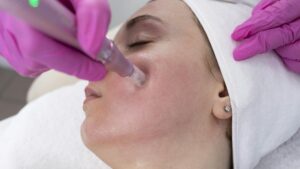
Beyond topical products, home devices can accelerate results. Microneedling pens (derma rollers) create micro-channels that stimulate collagen and product absorption. Use a 0.5mm roller once every 2–4 weeks—clean thoroughly. LED therapy with red light (630–660nm) penetrates deep to reduce inflammation and increase collagen. At-home devices are safe when used correctly and can complement topical treatments. Another option is microcurrent tools to lift and firm the skin, but they are less directly impactful on scars.
We also recommend silicone scar sheets for raised scars. They hydrate and flatten the tissue. Apply at night for best results. Combining a derma roller with a growth factor serum can further boost healing.
Benefits of At-Home Acne Scar Treatments
- Cost-effective: Save hundreds compared to in-clinic procedures. A full routine can be under $150 upfront.
- Convenience: Treat your skin on your own schedule, no appointments needed.
- Consistency: Daily or weekly use leads to steady improvement without downtime.
- Customizable: Mix and match ingredients based on your scar type and sensitivity.
- Preventive: Many treatments also prevent new breakouts and future scarring.
Risks and Limitations
Not all scars respond fully at home. Deep ice-pick scars may need professional microneedling or laser resurfacing. Over-exfoliation can cause irritation, barrier damage, and more pigmentation. Always start low and go slow. Pregnant or breastfeeding women should avoid retinoids and high-dose vitamin A. People with active acne should treat breakouts first before focusing on scars. If you have a history of keloids, avoid invasive techniques like derma rolling. Consult a dermatologist if you have any underlying skin conditions.
Another limitation: results take time. Patience is crucial—you won’t see dramatic change overnight. But with consistent use, most people see 30–50% improvement over 3–6 months.
Common Mistakes to Avoid When Treating Acne Scars at Home
- Skipping sunscreen: UV exposure darkens scars and sabotages healing. Use SPF 30+ daily.
- Using too many actives at once: Layering retinol, AHAs, and vitamin C can cause irritation. Alternate nights or use different routines.
- Picking or squeezing: This creates new scars. Keep hands off your face.
- Expecting instant results: Scar remodeling takes months. Consistency beats intensity.
- Neglecting the skin barrier: Use a gentle cleanser and moisturizer to support repair.
Best Practices for a 2026 At-Home Scar Healing Routine
Follow this step-by-step routine to heal acne scars fast:
Morning: Gentle cleanser → Vitamin C serum → Moisturizer with niacinamide → SPF 50+ sunscreen.
Evening (non-exfoliation days): Oil cleanser → Water cleanser → Retinol serum (wait 20 minutes) → Moisturizer with ceramides.
Weekly: Once or twice, substitute retinol with a glycolic acid peel or salicylic acid mask. If using a derma roller, do it on a night without acids.
Expert Insight: According to Beaute Cosmetic’s dermatology team, the key to success is patience and protection. “The biggest mistake we see is overzealousness. Stick to a simple, consistent routine for at least 12 weeks before evaluating results. And never skip sunscreen—it’s non-negotiable for scar fading.”
For those with sensitive skin, consider bakuchiol as a retinol alternative. Our comparison of bakuchiol vs granactive retinoid for sensitive skin can help you choose the gentler option.
Additional Tips for Faster Results
- Stay hydrated: Water supports skin plumping and repair.
- Eat anti-inflammatory foods: Omega-3s, berries, and green tea reduce overall inflammation.
- Avoid smoking and excessive alcohol—they impair collagen synthesis.
- Use a humidifier in dry environments to keep skin hydrated.
- Consider supplements like vitamin C, zinc, and collagen peptides after consulting a doctor.
Remember, healing acne scars is a marathon, not a sprint. With the right plan, you can achieve noticeable improvement by mid-2026.
Detaylı bilgi ve ek kaynaklar için resmi Vikipedi adresini ziyaret edebilir veya ilgili belgelere göz atabilirsiniz.
Sıkça Sorulan Sorular
Can you heal acne scars fast at home?
Yes, with consistent use of active ingredients like retinol, vitamin C, and AHAs, you can see significant improvement in 8–12 weeks. However, deep scars may require professional treatment.
What is the best home remedy for acne scars?
Silicone sheets and gel are excellent for raised scars. For depressed scars, a combination of retinol and glycolic acid peels is highly effective. Always pair with sunscreen.
How long does it take for acne scars to fade with at-home treatments?
Most people notice 30–50% improvement within 3–6 months of regular use. Hyperpigmentation fades faster than textural changes.
Does retinol help with acne scars?
Yes, retinol boosts collagen production and cell turnover, helping to smooth out shallow atrophic scars and fade dark marks. It’s a first-line treatment.
Can microneedling be done at home?
At-home derma rollers (0.5mm or less) are safe for shallow scars when sterilized properly. Deeper scars need in-office treatment. Always follow hygiene guidelines.
Is vitamin C good for acne scars?
Absolutely. Vitamin C inhibits melanin formation and brightens hyperpigmentation. Use a stable serum in the morning under sunscreen.
What should I avoid when treating acne scars?
Avoid picking, over-exfoliating, skipping sunscreen, and using too many actives at once. These can worsen scars and damage your skin barrier.
When should I see a dermatologist for acne scars?
If at-home treatments show no improvement after 3 months, or if you have deep ice-pick or keloid scars, consult a dermatologist for procedures like laser or microneedling.
Healing acne scars fast at home is entirely possible with the right strategy and patience. By combining scar-targeting ingredients like retinoids and vitamin C with at-home devices, you can achieve smoother, clearer skin without breaking the bank. Remember to protect your skin with sunscreen daily and avoid common pitfalls. Start your 2026 scar recovery journey today—browse Beaute Cosmetic for expert-reviewed products and routines tailored to your needs. Your best skin is within reach.
- Heal acne scars fast ile ilgili son gelişmeler, kullanıcı deneyimlerini olumlu yönde etkilemektedir.
- Uzmanlar, heal acne scars fast kullanımında bu rehberde belirtilen adımların takip edilmesini önermektedir.
- Gelecek güncellemelerle birlikte heal acne scars fast alanındaki yeniliklerin daha da genişlemesi bekleniyor.