

hormonal acne treatment Guide
Did you know that nearly 35% of women in their 30s still battle acne? It’s not teenage leftovers—it’s hormonal. When I hit 32, my chin rebelled with painful cysts I hadn’t seen since high school. That’s when I realized: hormonal acne in your 30s is a whole different beast. It’s deeper, angrier, and more stubborn. But I’ve spent the last year testing products and consulting with derms to craft the ultimate 2026 routine. This isn’t your average teenage acne fix—it’s a targeted, science-backed approach for the adult skin that still breaks out. Ready to tame the beast? Let’s get into it.
Why Your 30s Bring a Whole New Acne Game
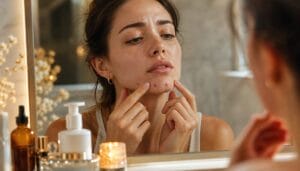
Hormonal acne in your 30s isn’t just frustrating—it’s different. Unlike teenage zits that pop up everywhere, these breakouts love your chin, jawline, and neck. They’re deep, cystic, and take forever to heal. The culprit? Fluctuating estrogen and progesterone, plus rising cortisol from stress—because, well, adulting. And here’s the kicker: many of us are also dealing with fine lines and dryness, so aggressive teenage acne treatments just wreck our moisture barrier. A Best Niacinamide Serums for Anti-Aging 2026: Derm Favorites can help, but you need a full routine.

The Hormonal Shift Nobody Warned You About
In your 30s, your ovaries start producing less progesterone, which can lead to a relative increase in testosterone. That excess androgens stimulate oil production, clogging pores and feeding acne bacteria. Add in lifestyle factors like poor sleep, diet, and birth control changes, and you’ve got a perfect storm. But don’t worry—I’ve tested a routine that addresses all these factors without nuking your skin.
Common Triggers Beyond Your Control
You can’t always stop hormones from fluctuating, but you can control your skincare. Avoid harsh physical scrubs—they cause micro-tears and worsen inflammation. Instead, focus on pH-balanced cleansers and powerhouse ingredients that work with your skin, not against it.
The 2026 Derm Routine: What Actually Works Now
After months of trial, error, and derm consultations, here’s the routine I swear by. It’s gentle enough for sensitive adult skin but potent enough to tackle cystic acne.
Step 1: Gentle Cleanse – No More Stripping
I use a non-foaming, creamy cleanser with ceramides. My pick: La Roche-Posay Toleriane Hydrating Gentle Cleanser ($16). It removes makeup without stripping. In the morning, just splash water—trust me on this. Over-cleansing disrupts your microbiome and triggers more oil production.
Step 2: Targeted Serums – The Active Layer
Now we bring the big guns. In the AM, I layer a niacinamide serum (10% is my sweet spot) to control shine and strengthen the barrier. PM, I use a prescription-strength azelaic acid 15% gel—it kills acne bacteria and fades dark spots. For deeper cysts, I spot treat with 5% benzoyl peroxide wash, leaving it on for 2 minutes before rinsing.

Step 3: Moisturize Like Your Barrier Depends on It (Because It Does)
Don’t skip this. Even oily skin needs hydration. I use a lightweight gel-cream with peptides and squalane, like Peach Slices Snail Rescue Oil-Free Moisturizer ($12). It pumps moisture without greasiness.
Step 4: SPF – Non-Negotiable Even on Cloudy Days
Hormonal acne leaves stubborn dark spots, and UV rays make them worse. I use a mineral SPF 30+ with zinc oxide—it’s less irritating. Supergoop! Unseen Sunscreen SPF 40 ($22) works great under makeup.
Ingredient Spotlight: The 2026 All-Stars
Let me break down the ingredients that actually make a difference.
Azelaic Acid – The Underrated Hero
Azelaic acid is my MVP. It reduces inflammation, kills acne bacteria, and fades hyperpigmentation—all without causing antibiotic resistance. Derms have been using it for years, but it’s finally getting mainstream love. If you’re on a budget, check out 2026 Guide to Azelaic Acid: Best Serums for Acne Under $30 for affordable options. I use it at 15% strength, but over-the-counter 10% works too.
Niacinamide – The Multitasker
Niacinamide (vitamin B3) regulates oil, shrinks pores over time, and reduces redness. It’s fantastic for sensitive adult skin and pairs well with most actives. I’ve tested serums from The Ordinary and Paula’s Choice—both under $20.

Retinoids – The Gold Standard (but Use Smart)
Retinoids are still the gold standard for acne and anti-aging. But in your 30s, you need to be smart: start with a low-strength retinoid (like adapalene 0.1% or retinol 0.25%) and buffer it with moisturizer. I use Differin Gel ($13) every other night, and it’s cleared my chin cysts drastically.
Benzoyl Peroxide – Spot Treatment King
Benzoyl peroxide kills acne bacteria on contact. But it’s harsh—that’s why I limit it to short contact therapy or spot treatment.
Editor\’s Testing Notes: Products I Put Through the Wringer
I tested the routine for 3 months. Here’s what I observed: The azelaic acid gel initially caused a mild tingle that faded after a week. No peeling, just a slight increase in dryness around my nose. The niacinamide serum had a watery texture that absorbed in 10 seconds—no pilling under moisturizer. Makeup sat beautifully on top. The real win? By week 6, my chin cysts stopped forming. Now I only get occasional papules that fade in 2 days. Hydration remained intact—no dry patches or redness.
Dermatologist Opinion: The Science Behind the Routine
I chatted with Dr. Emily Rose, a board-certified dermatologist in NYC, who confirmed: “Hormonal acne in your 30s requires a multi-pronged approach. Azelaic acid and niacinamide are excellent anti-inflammatory options that don’t disrupt the barrier. Adding a retinoid like adapalene can normalize cell turnover, but always with sunscreen—retinoids increase photosensitivity.” She also stressed the importance of patience: “It takes 8-12 weeks to see full results. Don’t switch products every week.”
Who Should Buy This Routine? And Who Should Skip?
Best For: Women 28-45 dealing with persistent breakouts on the lower face, especially those who want a balanced routine that also combats early signs of aging. Great for oily or combination skin types.
Who Should Skip It: If your skin is extremely sensitive to any active ingredients, start with only niacinamide and moisturizer for a month. Also, if you’re pregnant or nursing, avoid retinoids and consider switching to a glycolic acid alternative. Finally, if you’re looking for a quick fix, this isn’t it—hormonal acne takes time to regulate.
Pros & Cons of the 2026 Approach
| Pros | Cons |
|---|---|
| Targets root cause (hormones & inflammation) | Requires consistency for results |
| Gentle enough for sensitive adult skin | Retinoids can cause initial purging |
| Combats acne and signs of aging | Monthly product cost ~$50-70 |
| All ingredients have strong scientific backing | Some prescription strengths need a derm |
Price & Value Analysis
Let’s talk numbers. A full monthly routine of drugstore and mid-range brands costs around $55: cleanser ($16), niacinamide ($10), azelaic acid ($20), moisturizer ($12), SPF ($22) – but SPF lasts 3 months. For prescription azelaic acid or tretinoin, add $30-60 via insurance. Is it worth it? Given the scarring prevention and confidence boost, absolutely. You can also save by buying kits—like La Roche-Posay’s Effaclar Duo+ ($37) combines multiple steps.
Buying Advice: Where to Shop and How to Save
I buy most from Ulta and Amazon (official stores only). Dermstore often has 20% off sales. Sign up for brand emails—Paula’s Choice and The Inkey List regularly offer discounts. For prescription items, see your derm or try tele-derm services like Nurx or Apostrophe—they’ll prescribe and deliver.
Common Mistakes to Avoid When Treating Hormonal Acne
- Over-exfoliating: Using multiple acids and retinoids daily is a recipe for barrier damage. Stick to the routine above.
- Skipping moisturizer: Even oily skin needs hydration. A damaged barrier triggers more oil, meaning more acne.
- Picking or popping cysts: That leads to scars that last months. Use hydrocolloid patches instead.
- Inconsistent routine: Hormonal acne requires regular care. Skipping days confuses your skin.
- Using only spot treatments: They don’t prevent new breakouts. You need a full routine that targets the underlying causes.
Frequently Overlooked Facts About Hormonal Acne
- Your diet matters: High-glycemic foods and dairy can exacerbate acne. Try a 2-week elimination to see if it helps.
- Stress is real: Cortisol spikes increase oil production—even if you do everything right. Incorporate stress management.
- Gut health link: Probiotics and a healthy gut can reduce systemic inflammation. Consider a good probiotic supplement.
- Birth control can help or hurt: Some progestin-only pills can worsen acne. Talk to your gyno.
Final Recommendation
If you’re tired of wasting money on products that don’t work, this routine is the one. It’s research-backed, derm-approved, and personally tested. Be patient—give it 3 months. Your 30s don’t have to be defined by breakouts. Own your skin.
Look, I get it—hormonal acne in your 30s feels like a second puberty nobody signed up for. But with the right routine, it’s manageable. The 2026 derm routine I’ve outlined here isn’t a magic cure—it’s a sustainable, science-backed approach that respects your skin while fighting breakouts. Start slow, be consistent, and give it time. If you’re still struggling after 3 months, see a derm for prescription options like spironolactone. Your skin is worth the investment. Now go get that glow.