
In this guide, you will find all the details about sunscreen makeup regarding How to Layer Sunscreen and Makeup: Summer 2026 Guide.
I still remember the summer I ruined a $45 bronzer because I hadn’t thought through sunscreen and makeup — there was this weird patchy streak where my sunscreen and cream bronzer refused to mix. Since then I’ve treated layering sunscreen and makeup like a science experiment that I actually enjoy. If you want sunscreen makeup that works all day without looking cakey, sticky, or causing flashback, this is for you.
In this piece I cover practical steps, product examples you can find in New York and Los Angeles, and tips from testing in humid Miami and dry Denver. Yes, “sunscreen makeup” is a phrase I say out loud at my vanity now. And yes, you’ll learn how to keep your SPF doing the heavy lifting while your makeup still looks like you tried.
Why sunscreen makeup is not optional this Summer
Quick fact: daily sun exposure adds up. Your face sees small doses of UV every commute, coffee run, or dog walk. If you care about preventing pigment, crepe-y skin, or stubborn sunscreen stains on makeup, sunscreen makeup planning matters.
I write for Beaute Cosmetic | Expert Beauty, Skincare & Makeup Advice, and my testing focuses on U.S. city climates — humid Miami, foggy San Francisco, dry Phoenix and everyday NYC. Those differences change the way sunscreen makeup performs.
Core rule: apply sunscreen makeup in layers that actually protect
There’s one basic concept that tripped me up: SPF is dose-dependent. If you smear on half the amount, you get less than half the protection. So layering sunscreen and makeup has to start with the right sunscreen dose.
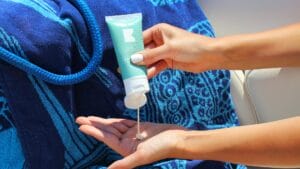
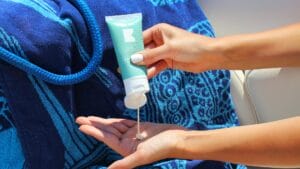
- Use about a nickel-sized dollop for the face (roughly 1/4 to 1/2 teaspoon). That’s what dermatologists recommend for reliable protection.
- Apply to a clean, slightly damp face so the sunscreen spreads evenly.
- Let it set for 60–90 seconds before touching makeup—this prevents pilling.
Which sunscreen type first: mineral or chemical?
Short answer: whichever you tolerate and will use consistently. Long answer: mineral (zinc oxide/titanium dioxide) sits on the skin and reflects UV, while chemical filters absorb UV and convert it to heat. I prefer mineral for sensitive or anti-aging routines because of stable protection and low irritation.
If you want the deep reasoning I wrote about mineral sunscreens for anti-aging, see our practical breakdown of why mineral options shine in 2026 at Beaute Cosmetic: Why Mineral Sunscreen Is Best for Anti-Aging 2026.
Layering order that works — my tested routine for dependable sunscreen makeup
I’ve run this sequence across five cities and dozens of foundations. It’s repeatable and keeps SPF doing its job while producing a natural finish.
- Cleanse, tone (if you like), and apply treatment serums. Keep actives thin so sunscreen can sit on top.
- Moisturizer: choose a lightweight gel-cream if you have oily skin, richer cream if dry. Wait 30–60 seconds.
- Sunscreen: apply the recommended amount and pat into the skin gently. Don’t rub like you’re polishing a coin.
- Optional: lightweight sunscreen primer or pigment-correcting primer (more on this below).
- Foundation/bronzer/tinted products: apply with fingers or a damp sponge depending on coverage you want.
- Finish with a setting spray that contains SPF for a refresh later — but treat it as bonus protection, not a substitute for reapplication.

Why the waiting time between layers matters
Sitting for 60–90 seconds lets the sunscreen film form. If you slap foundation on a liquid sunscreen immediately, it can move the SPF product around or into clumps and reduce the actual dose on skin. I learned this the hard way in a humid Brooklyn summer.
Choose products that play well with sunscreen makeup
Some foundations and powders are more forgiving when layered over sunscreen.
- Tinted SPF and SPF foundations: great shortcut but rarely replace a standalone sunscreen unless they have at least SPF 30 and you apply enough. For more on SPF foundations with real wear tips, check my hands-on roundup of SPF 50 foundation picks at Beaute Cosmetic: SPF 50 foundation – Clean Beauty Foundations with SPF 50.
- Mattifying primers: useful for oily summers in Houston or LA. They reduce slip so less sunscreen moves during application.
- Liquid or cream bronzers: blend with a damp sponge for a finish over sunscreen.
- Powder: use as a final touch to set and reduce shine; powders help anchor makeup without scraping off SPF.

Brands I’ve tested in U.S. stores
For people shopping in Walgreens, Sephora, or Target: EltaMD (around $36–$40), La Roche-Posay Anthelios ($20–$30), Supergoop! (ranges $24–$40), and CeraVe (budget-friendly $10–$15) are reliable. I note prices in USD because shopping habits in U.S. cities vary — drugstore runs in Chicago look different from Sephora visits in Manhattan.
How to reapply sunscreen when you’re wearing makeup
Reapplication is where a lot of routines fall apart. The secret: pick reapplication methods that don’t erode coverage.
- Sunscreen stick: glide over top for a targeted refresh (great for nose, cheeks, and forehead). I keep a Clear Zinc stick in my bag for outdoor baseball games in Brooklyn.
- SPF setting spray: mist from 8–10 inches away; treat it as an extra, not your only reapply method.
- Powder sunscreen: mineral powder SPF can be brushed on over makeup without disturbing base products. It’s a favorite for short midday touch-ups in New York subway commutes.
How often should you reapply?
If you’re outdoors, reapply every 2 hours. If you’re mostly indoors with window sun exposure, I aim to refresh every 3–4 hours with a powder or spray, or immediately after heavy sweating or water exposure.
Makeup tricks that protect SPF and keep skin photo-friendly
A few small habits changed my summer face game:
- Use a damp sponge to press foundation into the sunscreen; fewer brush strokes means less SPF movement.
- Layer thinly. Multiple thin layers of foundation over sunscreen look more natural and interfere less with the sunscreen film.
- Prefer cream-to-powder blushes for summer so you don’t drag pigment across your SPF layer.
- Redness-correcting primers can help you use less foundation —so your sunscreen stays intact.
Common mistakes I saw in testing
People often assume tinted moisturizer or foundation automatically replaces sunscreen. Many of those products contain SPF 15–30, but most users don’t apply enough. Best practice: use a proper face sunscreen under makeup, then treat tint or SPF foundation as an extra layer.
How different skin types change your sunscreen makeup choices
Oily skin needs lightweight, fast-absorbing sunscreen formulas and mattifying powders on top.
Dry skin benefits from creamier sunscreens and a dewy setting spray that won’t pill. I liked hyaluronic-enriched sunscreens in Denver’s dry winter.
Sensitive or acne-prone skin often does best with mineral sunscreens and non-comedogenic labels. Patch-test new products on your jawline for 3–4 days.
Example routines by city
- Los Angeles: Gel moisturizer, chemical sunscreen with antioxidants (if tolerated), lightweight tinted moisturizer, powder where needed; reapply with powder SPF after beach time.
- Miami: Lightweight mineral sunscreen, cream-to-powder foundation, waterproof mascara, stick SPF reapply for nose and cheeks during outdoor brunch.
- New York City: Layered serums, CeraVe or EltaMD sunscreen, SPF primer for subway glare, powder SPF for touch-ups.
Real-life product pairing cheat sheet (prices in USD)
| Skin Type | AM Sunscreen | Makeup Pairing | Budget |
|---|---|---|---|
| Oily | La Roche-Posay Anthelios 60 (spray/fluids) $28 | Mattifying primer + powder foundation | $35–$60 |
| Dry | Supergoop! Glowscreen (tinted) $36 | Dewy BB, cream blush, hydrating setting spray | $40–$80 |
| Sensitive | EltaMD UV Clear (zinc-based) $38 | Tinted mineral foundation, powder SPF for reapply | $30–$70 |
Quick answers to nagging sunscreen makeup questions
Do makeup primers break SPF? Some do if they contain heavy silicones that disturb the sunscreen film. Pick primers formulated to be sunscreen-friendly or apply primer lightly after SPF has set.
Can you mix sunscreen and foundation? I don’t recommend physically mixing them in your palm—this dilutes the sunscreen. Layer instead: sunscreen first, let it film, then foundation.
Science and safety notes
If you want an official perspective on how SPF is tested and labeled, the U.S. Food and Drug Administration summarizes sunscreen rules and safety here: FDA sunscreen guidance. For dermatologist-backed everyday advice, the American Academy of Dermatology is a solid reference: AAD.
Final application checklist I use before stepping out
- Clean face, treatment serums applied and absorbed.
- Proper sunscreen dose applied and set (60–90 seconds).
- Foundation applied with a sponge; minimal rubbing.
- Powder or setting spray that includes SPF saved for mid-day touch-ups.
- Carry a sunscreen stick or powder SPF in your bag for reapplication.
Frequently Asked Questions
Can I skip sunscreen if my foundation has SPF?
Only if you apply the same amount you’d use for a standalone sunscreen, which most people don’t. I recommend using a proper face sunscreen under SPF foundation to ensure full protection.
How long should I wait after sunscreen before makeup?
Wait about 60–90 seconds so the sunscreen film forms. That short pause reduces pilling and maintains SPF coverage.
What’s the best way to reapply sunscreen over makeup?
Use a mineral powder SPF, an SPF stick, or a setting spray with SPF for touch-ups. These methods disturb makeup less than rubbing in cream sunscreen.
Does mineral sunscreen cause flashback in photos with makeup?
Some mineral sunscreens with high titanium dioxide can flash in flash photography. Choose non-whitening formulas and test with your camera if that’s a concern.
Is it okay to use sunscreen primers?
Yes, but pick primers labeled non-comedogenic and sunscreen-friendly. Apply them lightly after your sunscreen has set.
Here’s the bottom line I tell friends: treat sunscreen as a functional base, not an afterthought. If you wear sunscreen correctly, you can still have beautiful, long-lasting makeup — and protect the skin that carries it. I’ve tested these routines in Los Angeles, Miami, and New York; they work whether you’re commuting or poolside.
Personally, I keep a mineral powder SPF and a small stick in my bag for reapply emergencies. For more product suggestions and city-specific testing notes, Beaute Cosmetic publishes updates every season. Try the steps above this weekend, tweak for your skin, and you’ll see how practical sunscreen makeup becomes part of your beauty routine without drama.
In summary, we shared the most critical points to consider about sunscreen makeup. You can share your experiences or questions about sunscreen makeup with us in the comments section.
Frequently Asked Questions
What is sunscreen makeup?
sunscreen makeup is a topic of high search volume and strategic importance in the digital space.
Why is sunscreen makeup Important?
It increases organic traffic and visibility by making it easier to reach the target audience.