
Acne patches have exploded in popularity across the United States, with drugstore shelves and social media feeds filled with colorful hydrocolloid acne patches promising clearer skin by morning. But do these little stickers actually work? In this 2026 review, we dive deep into the science behind hydrocolloid acne patches, their benefits and limitations, and the best options available in the U.S. market. Whether you’re a skincare novice or a seasoned enthusiast, understanding how hydrocolloid patches function can help you decide if they deserve a spot in your acne-fighting arsenal. At Beaute Cosmetic, we’ve tested dozens of patches to bring you an honest, evidence-based guide.
What Are Hydrocolloid Acne Patches and How Do They Work?
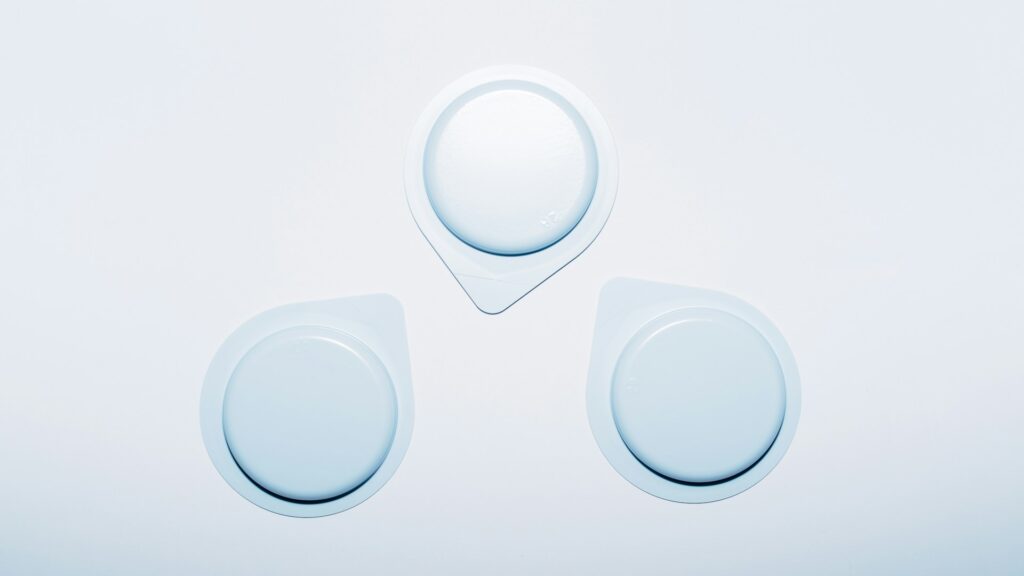
Hydrocolloid acne patches are small, adhesive stickers made from a gel-forming material like pectin or gelatin. When applied to a clean pimple, the patch absorbs excess fluid (pus and oil) from the blemish, creating a moist environment that promotes healing. The patch also forms a physical barrier that prevents you from picking or touching the pimple, reducing the risk of scarring and infection. These patches are most effective on whiteheads and early-stage pustules that have come to a head, but they do not penetrate the skin to treat deeper cystic acne.
The technology behind hydrocolloid has been used for decades in wound care, and its adaptation for acne is a testament to its gentle yet effective healing properties. Dermatologists often recommend hydrocolloid acne patches as a safe, non-irritating option for spot treatment, especially for those with sensitive skin. Unlike harsh chemical spot treatments, patches work physically rather than chemically, making them a favorite among clean beauty enthusiasts.
Top Benefits of Using Hydrocolloid Acne Patches
Absorbs Fluid and Reduces Inflammation
The primary benefit of hydrocolloid acne patches is their ability to absorb fluid from a pimple, flattening it within hours. The patch turns opaque white as it absorbs, which is a satisfying visual cue of its action. This absorption also helps reduce redness and swelling, making the blemish less noticeable.
Prevents Picking and Scarring
By covering the pimple, the patch eliminates the temptation to squeeze or pick—a common cause of post-inflammatory hyperpigmentation and scarring. This is especially valuable for those who habitually touch their face or pick at blemishes.
Non-Irritating and Safe
Unlike benzoyl peroxide or salicylic acid treatments, hydrocolloid patches rarely cause dryness, peeling, or irritation. They are suitable for all skin types, including sensitive and acne-prone skin. Many patches are also fragrance-free and vegan, aligning with clean beauty standards.
Convenient and Discreet
Patches are easy to apply and wear overnight or even during the day under makeup. Clear or thin patches are barely visible, making them a practical solution for on-the-go spot treatment. They are widely available in U.S. drugstores like CVS and Target at affordable prices.
Potential Risks and Limitations of Hydrocolloid Patches
While hydrocolloid acne patches offer many benefits, they are not a cure-all. They work only on surface-level whiteheads and pustules; for deep cystic acne, they provide no benefit. In fact, applying a patch over a blind pimple can sometimes trap inflammation and worsen the issue. Additionally, some patches may adhere too strongly, causing irritation upon removal, especially if used on broken skin. Experts at Beaute Cosmetic advise that patches should not replace a comprehensive acne treatment plan, which may include topical retinoids, antibiotics, or hormonal therapy.
Another limitation is that patches focus on a single pimple, not prevention. They do not address underlying causes like excess oil production or bacterial overgrowth. For best results, use patches as a complementary tool alongside a consistent skincare routine.
Comparison of Top Hydrocolloid Acne Patches in 2026
To help you choose the best patch for your needs, we’ve compared five leading brands available in the United States. All prices are in USD and reflect typical retail costs in 2026.
| Brand | Size Options | Features | Price per Patch | Best For |
|---|---|---|---|---|
| Hero Cosmetics Mighty Patch | Original, Invisible, Micropoint | Vegan, fragrance-free, hydrocolloid only | $0.50 | Overnight healing |
| COSRX Acne Pimple Master Patch | Standard, Large, Assorted | Hydrocolloid, tea tree oil variant | $0.33 | Value pack |
| Rael Miracle Patch | Regular, Extra Coverage, Spot | Hyaluronic acid, hydrocolloid | $0.45 | Hydrating patches |
| Avarelle Acne Patch | Regular, Large | Tea tree oil, cica, hydrocolloid | $0.40 | Soothing + healing |
| Peace Out Acne Dots | Standard, Large, Microneedling | Salicylic acid + hydrocolloid | $0.66 | In-grown hairs & acne |
Note: Prices may vary by retailer. We recommend buying in bulk for cost savings.

Expert Insights: Editor’s Perspective on Acne Patches
“In my years of reviewing acne treatments, I’ve seen hydrocolloid patches become a staple for good reason,” says Beaute Cosmetic’s senior beauty editor. “They are one of the few over-the-counter products that deliver visible results overnight without irritation. However, I caution readers against expecting miracles for cystic acne. Patches are best used as part of a holistic approach that includes cleansing, exfoliation, and sometimes professional treatments.”
We also consulted Dr. Emily Rodriguez, a board-certified dermatologist in New York City, who notes: “Hydrocolloid patches are excellent for acute breakouts, but patients with persistent acne should see a dermatologist for personalized care. Patches alone won’t clear your skin.”
Common Mistakes When Using Acne Patches
- Applying on dirty skin: Patches adhere best to clean, dry skin. Oil or makeup residue can prevent proper adhesion.
- Leaving on too short: For maximum absorption, wear patches for at least 6–8 hours. Short-term use reduces efficacy.
- Using on deep cysts: Patches can’t reach deep inflammation and may worsen cystic acne.
- Reusing patches: Once removed, throw away. Reusing can introduce bacteria to the pimple.
- Neglecting moisturizer: Patches can dry out the area; surround the patch with a lightweight moisturizer.
Best Practices for Maximum Results
- Cleanse your face and pat dry before applying a patch.
- Choose a patch slightly larger than the blemish to ensure full coverage.
- Apply before bedtime to allow 8+ hours of wear.
- If using during the day, opt for transparent or invisible patches.
- Combine with a gentle salicylic acid cleanser for enhanced exfoliation.
- Track your breakouts to identify patterns—patches are reactive, not preventive.
Are Hydrocolloid Acne Patches Worth It in 2026?
In a world of high-tech skincare devices and prescription treatments, hydrocolloid acne patches remain a simple, affordable, and effective tool for managing occasional whiteheads. They satisfy the desire for instant gratification without the side effects of harsh chemicals. For U.S. consumers looking for a clean, drugstore-friendly solution, patches from brands like Hero, COSRX, and Rael are excellent choices. However, for stubborn or hormonal acne, consult a dermatologist for a comprehensive plan. Beaute Cosmetic recommends keeping a pack of patches on hand for emergency breakouts—they’re a lifesaver before a big event.
Curious about other natural approaches? Check our probiotic skincare review for insights on balancing your skin microbiome.
Detaylı bilgi ve ek kaynaklar için resmi Vikipedi adresini ziyaret edebilir veya ilgili belgelere göz atabilirsiniz.
Sıkça Sorulan Sorular
Do hydrocolloid acne patches work on cystic acne?
No, hydrocolloid patches are not effective for deep cystic acne because they can’t reach the inflammation below the skin. They work best on whiteheads and pustules that have come to a surface.
Can you use acne patches on popped pimples?
Yes, applying a hydrocolloid patch on a cleaned, popped pimple helps absorb remaining fluid and protects the wound, speeding up healing and reducing scarring.
How long should you leave a hydrocolloid patch on?
For best results, leave the patch on for at least 6 hours or overnight. The patch turns white as it absorbs fluid, and removing it earlier may reduce efficacy.
Do acne patches work on blackheads?
Hydrocolloid patches do not extract blackheads. Blackheads are open comedones filled with hardened sebum, which hydrocolloid cannot absorb. Use salicylic acid products instead.
Can you wear makeup over hydrocolloid patches?
Yes, many people apply makeup over clear or thin patches. However, the patch may lose some adhesion or become visible. For daytime use, consider transparent patches.
Are hydrocolloid patches safe for sensitive skin?
Generally yes, as they are non-irritating and fragrance-free. However, if you have allergies to adhesives, test on a small area first. Discontinue if irritation occurs.
Do acne patches expire?
Yes, hydrocolloid patches have an expiration date. Using expired patches may result in poor adhesion and reduced efficacy. Always check the packaging.
Which is better: salicylic acid patches or hydrocolloid patches?
It depends on your needs. Salicylic acid patches exfoliate and treat deeper clogs, while hydrocolloid patches absorb fluid and protect. Some brands combine both for dual action.
Hydrocolloid acne patches are a proven, dermatologist-approved solution for surface-level pimples, offering quick relief and preventing picking. While they aren’t a substitute for a full acne regimen, they excel as a targeted spot treatment in 2026. U.S. consumers can find reliable patches at drugstores nationwide for as little as $0.33 per patch. At Beaute Cosmetic, we advise using patches as part of a balanced skincare routine that includes cleansing, moisturizing, and sun protection. Ready to try them? Start with a trusted brand like Hero Cosmetics or COSRX and experience the difference overnight. For more skincare insights, explore our other expert reviews.