
If you have oily skin, you know the struggle: midday shine, enlarged pores, and constant breakouts. The Korean skincare routine, or K-beauty, has become a global phenomenon for achieving balanced, glowing skin—even for oily types. In 2026, this multi-step approach is more tailored than ever, with lightweight, oil-free formulations that control sebum without stripping your skin. In this guide, we break down the ultimate Korean skincare routine for oily skin, featuring expert advice, product recommendations, and tips to avoid common pitfalls. Whether you’re new to K-beauty or looking to refine your regimen, these steps will help you achieve that coveted “glass skin” finish that’s shine-free and radiant.
Understanding Oily Skin in 2026: The Science Behind Sebum
Oily skin is caused by overactive sebaceous glands producing excess sebum. In 2026, dermatologists understand that genetics, hormones, diet, and even climate play a role. The American Academy of Dermatology emphasizes that cleansing and moisturizing are key—stripping oil can worsen the problem. The Korean skincare routine offers a balanced approach: hydrating while controlling oil.
Step-by-Step Korean Skincare Routine for Oily Skin
Step 1: Double Cleansing with Oil-Free Formulas
Double cleansing is the cornerstone of K-beauty. Start with an oil-based cleanser to dissolve makeup and sunscreen, then follow with a water-based foaming cleanser. For oily skin, choose gel or foam cleansers containing salicylic acid or tea tree oil. Popular US brands like CeraVe Foaming Cleanser ($14) and La Roche-Posay Effaclar Gel ($16) work well. Pro tip: Avoid harsh sulfates that disrupt the moisture barrier.
Step 2: Exfoliation with BHA
Chemical exfoliation with beta-hydroxy acid (BHA) like salicylic acid is essential. Use a gentle BHA toner 2-3 times a week to unclog pores. COSRX BHA Blackhead Power Liquid ($22) is a K-beauty favorite widely available at Ulta. Note: Over-exfoliating can trigger more oil—stick to a schedule.
Step 3: Hydrating Toner and Essence
Contrary to myth, oily skin needs hydration. A lightweight toner like Laneige Cream Skin Refiner ($34) or a mist like the hypochlorous acid spray we reviewed in our dedicated guide (for acne-prone skin) adds moisture without grease. Dermatologists often recommend hypochlorous acid spray for acne as a soothing step. Follow with a watery essence to plump skin.
Step 4: Lightweight Serum
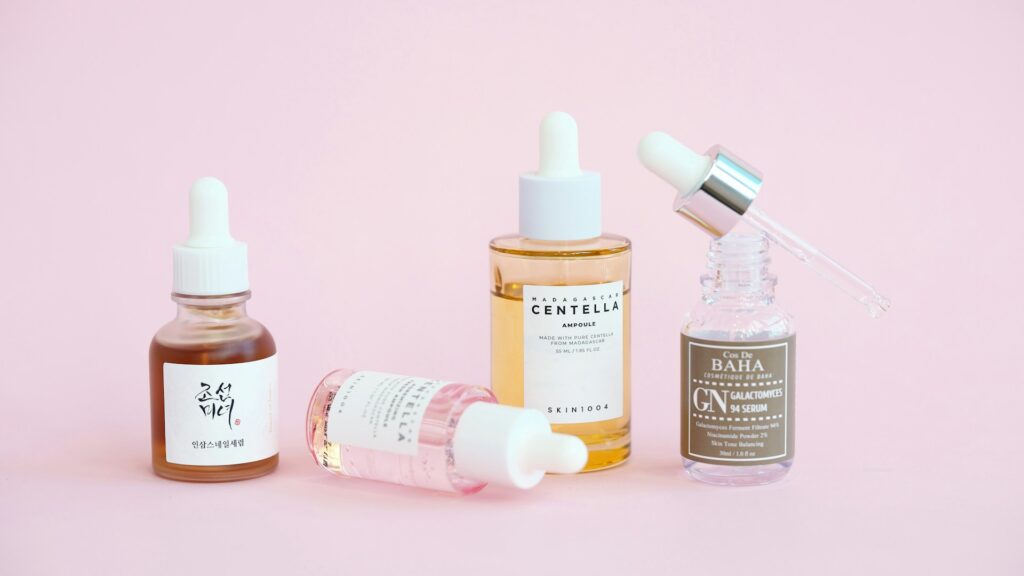
Niacinamide is the MVP for oily skin—it regulates sebum, minimizes pores, and calms inflammation. The Ordinary Niacinamide 10% + Zinc 1% ($6) or Paula’s Choice 10% Niacinamide Booster ($44) are top picks. For anti-aging, consider bakuchiol as a retinol alternative—our comparison of bakuchiol vs granactive retinoid explains which is gentler.
Step 5: Moisturizer and Sunscreen
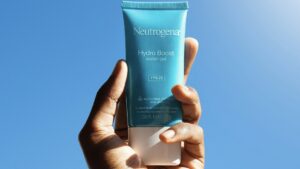
Finish with an oil-free gel moisturizer (e.g., Neutrogena Hydro Boost Water Gel ($18)) and a lightweight SPF 50+ sunscreen. Korean sunscreens like Beauty of Joseon Relief Sun ($18) are cosmetically elegant and matte.
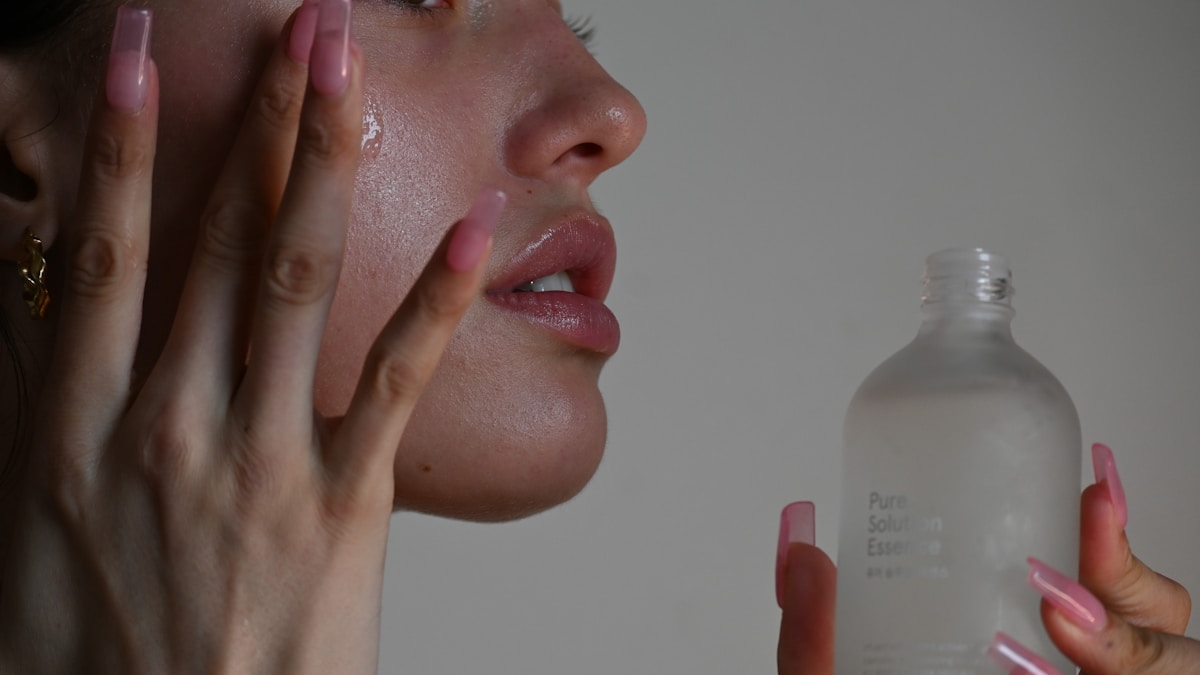
Benefits of a Korean Skincare Routine for Oily Skin
- Balanced sebum production: Hydration signals skin to produce less oil.
- Reduced breakouts: Gentle exfoliation and antibacterial ingredients prevent clogged pores.
- Smaller-looking pores: Consistent care with niacinamide and BHA refines texture.
- Improved skin barrier: Avoiding harsh products maintains a healthy microbiome.
Common Mistakes to Avoid
- Skipping moisturizer: Oily skin still needs hydration; opt for gel formulas.
- Over-washing: Stripping natural oils leads to rebound sebum production.
- Using heavy products: Avoid thick creams; choose oil-free labels.
- Neglecting sunscreen: Sun exposure can worsen oiliness and hyperpigmentation.
Best Products for Oily Skin in 2026: Comparison Table
| Product | Type | Key Ingredient | Price (USD) |
|---|---|---|---|
| CeraVe Foaming Facial Cleanser | Cleanser | Ceramides, Niacinamide | $14 |
| Paula’s Choice Skin Perfecting 2% BHA Liquid | Exfoliant | Salicylic Acid | $34 |
| The Ordinary Niacinamide 10% + Zinc | Serum | Niacinamide | $6 |
| Neutrogena Hydro Boost Water Gel | Moisturizer | Hyaluronic Acid | $18 |
| Beauty of Joseon Relief Sun SPF 50+ | Sunscreen | Rice Extract, Niacinamide | $18 |
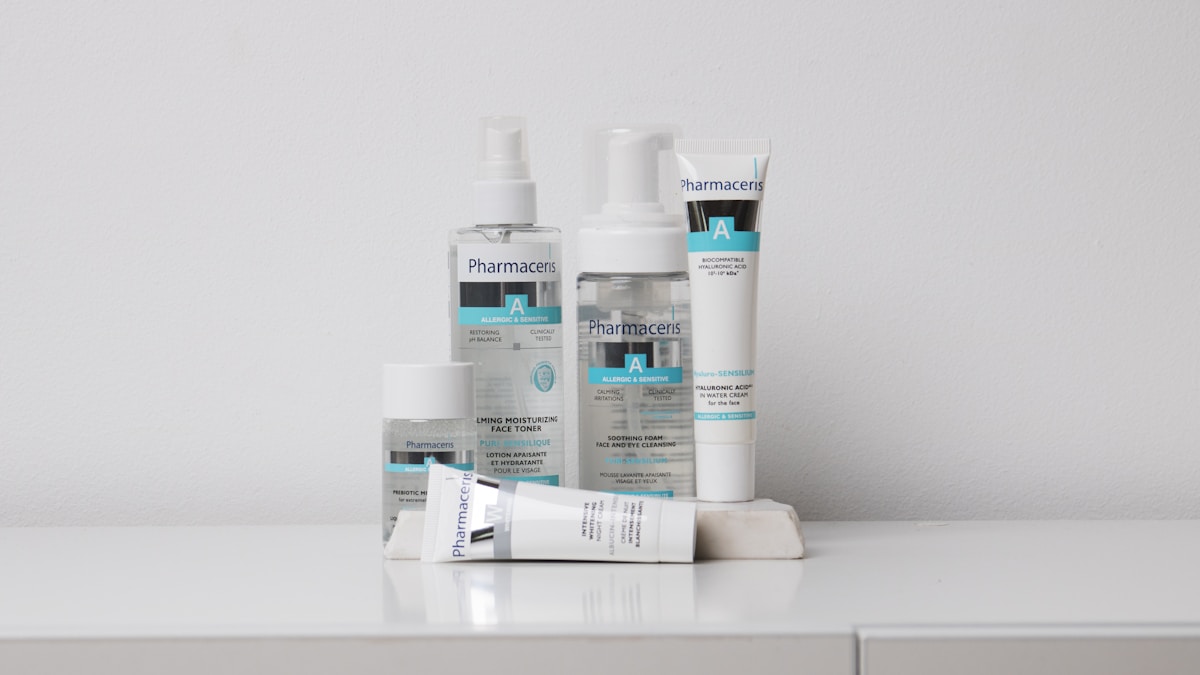
Expert Tips from Dermatologists
According to board-certified dermatologist Dr. Emily Chen, “The key is not to eliminate oil but to manage it. A Korean skincare routine excels because it layers hydration without heavy occlusives.” For stubborn acne, she suggests adding a prescription retinoid like tretinoin, but always start with alternatives like bakuchiol if skin is sensitive. Read AAD’s guide to oily skin care for more professional advice.
Best Practices for Long-Term Results
- Stick to a consistent routine morning and night.
- Patch-test new products for a week.
- Adjust steps seasonally: lighter gel in summer, slightly richer in winter.
- Consult a dermatologist if oiliness persists despite routine.
Sıkça Sorulan Sorular
Can a Korean skincare routine help reduce oily skin?
Yes, a Korean skincare routine can help regulate sebum production by providing balanced hydration and gentle exfoliation, which signals the skin to produce less oil over time.
How many steps should an oily skin K-beauty routine have?
A typical oily skin routine includes 5-6 steps: double cleanse, exfoliate (2-3 times/week), toner, serum, moisturizer, and sunscreen. You can adjust based on your skin’s needs.
What are the best Korean products for oily skin?
Top K-beauty picks include COSRX BHA Blackhead Power Liquid, Laneige Cream Skin Refiner, and Beauty of Joseon Relief Sun. Many are available at Sephora and Ulta.
Should oily skin skip moisturizer?
No, skipping moisturizer can cause the skin to produce even more oil. Choose an oil-free, gel-based moisturizer like Neutrogena Hydro Boost or Innisfree Green Tea Balancing Lotion.
How often should I exfoliate oily skin?
Exfoliate 2-3 times per week with a chemical exfoliant like salicylic acid. Over-exfoliation can irritate skin and increase oil production.
Is sunscreen necessary for oily skin?
Absolutely. Sunscreen protects against hyperpigmentation and premature aging. Look for matte, oil-free SPF 50+ formulas like Supergoop! Unseen Sunscreen.
Can I use retinol if I have oily skin?
Yes, retinol is effective for oily skin as it increases cell turnover and reduces oiliness. Start with a low concentration and use it at night. For sensitive skin, consider bakuchiol instead.
What ingredients should I avoid for oily skin?
Avoid heavy oils (coconut oil, mineral oil), alcohol-based toners, and comedogenic ingredients that can clog pores. Look for non-comedogenic labels.
A well-designed Korean skincare routine can transform oily skin from a source of frustration to a canvas of balanced, glowing beauty. In 2026, the focus on lightweight, hydrating layers and targeted active ingredients like niacinamide and BHA makes this approach more effective than ever. Remember, consistency is key—give your skin at least 4-6 weeks to show improvement. Start with the steps outlined above, choose products suited to your skin, and don’t hesitate to consult a dermatologist. Your journey to shine-free, radiant skin begins today. Explore more expert guides at Beaute Cosmetic and share your progress with us!