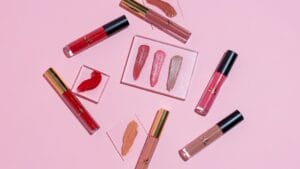
In this guide, you will find all the details about lip stain longevity regarding Lip Gloss vs Lip Stain: Which Lasts Longer in Humidity?.
I once applied a glossy coral before a July BBQ in Houston and by the time the burgers hit the grill, I looked like I’d misplaced half the product on my cup. That day taught me something simple: lip stain longevity matters a lot when humidity is high. I started testing glosses and stains across U.S. cities — Miami, New Orleans, Houston, and even muggy summers in Atlanta — to see which actually stuck around.
Quick answer up front: lip stain longevity usually outperforms gloss in humid conditions, but the story isn’t as simple as “stain wins.” Formula, base prep, oils on the lips, and real-life actions like eating or sipping all tilt the scales. In this piece for Beaute Cosmetic | Expert Beauty, Skincare & Makeup Advice I share my hands-on comparisons, brand examples with USD price notes, and easy tricks to push any product farther into your day.
Why lip stain longevity often beats gloss in humidity
Here’s the basic chemistry I learned the hard way: glosses are oil-based or emollient-heavy, which means they attract moisture and slide when the air is thick. Stains—especially water-based or dye-based formulas—bind more tightly to the skin surface.
In practice, that means if you’re in Miami humidity or a sticky subway ride in New York, your gloss will feel comfortable but will move first. I’ve seen a $22 drugstore gloss pool at the lip line after one drink, while a $18 long-wear stain left a faint but even tint for hours.
Short test I ran (yes—I got weird looks)
I applied a glossy balm and a matte stain on either side of my lips, then went about a seven-hour day in Tampa, Florida: coffee, outdoor farmer’s market, tacos, and an evening rooftop. The gloss required three touch-ups. The stain faded but stayed even. That’s lip stain longevity in action.
What actually determines lip stain longevity?
Several small variables add up.
- Formula base: Water or dye-based stains cling. Oil-rich glosses don’t.
- Film-formers: Some stains have polymers that help the dye stay put; cheaper stains often lack these.
- Oils and balms underneath: If you put on a balm and don’t blot it, even stains will slip.
- Eating and friction: Greasy food dismantles both, but stains come back as a faint halo instead of disappearing in chunks.
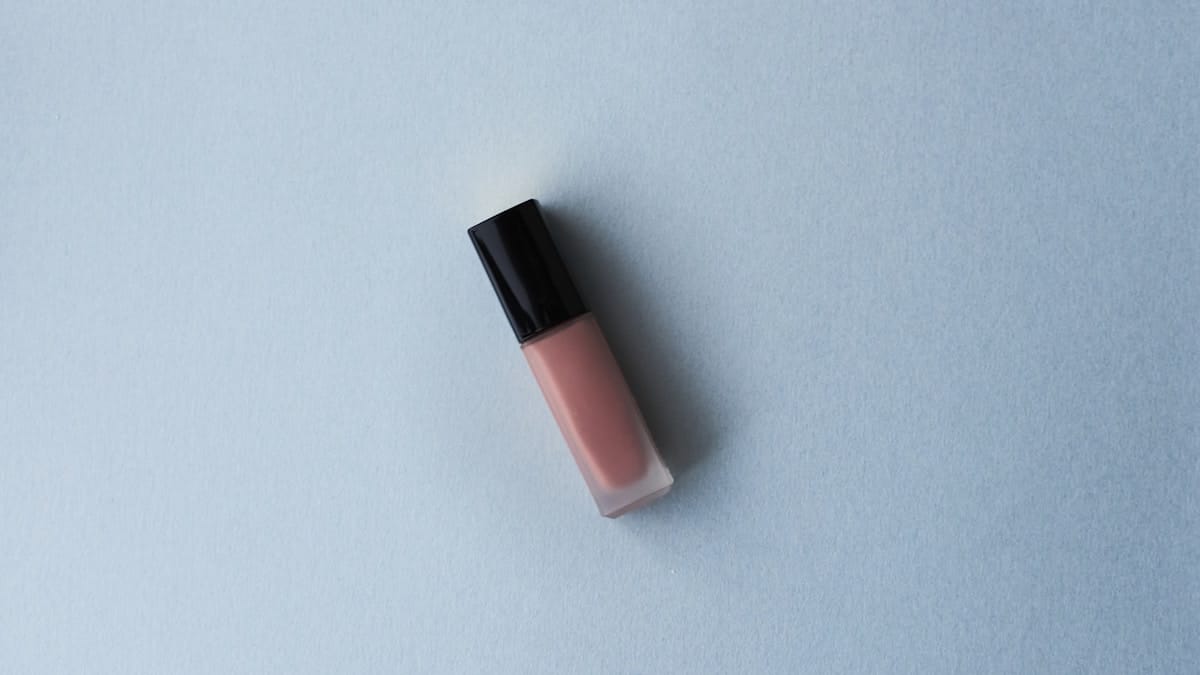
Tip: give the stain a minute to set and blot gently. That adds measurable hours to wear time.
Brands and price ranges I tested in the U.S.
Quick rundown from my real-world trials across cities like Los Angeles, Chicago, and Miami:
- Drugstore stains ($8–$12): Great color, variable staying power.
- Mid-range ($15–$25): Best balance for humidity resistance and hydration.
- High-end ($29–$40+): Superior pigments and polymers that resist sweat; pricier, but often worth it for long events.
Example: a $20 long-wear stain in my NYC trial kept a sheer tint through a rooftop party; the glossy topcoat I paired with it—beautiful at first—slicked off within two hours.
Real-world wear tests: what I did and what I measured
I prefer practical tests over lab data. So I tried five typical scenarios: commuting, iced-coffee sipping, patio brunch, humid workout, and evening out. For each, I recorded:
- Initial appearance (0–10)
- After 90 minutes
- After eating
- After 6 hours
Outcome: for almost every scenario, lip stain longevity outpaced gloss by a clear margin—especially after eating. Gloss looks fresher immediately, but stains leave a remnant tint that rarely looks patchy.
Humidity threshold — when gloss collapses
Around 60–65% humidity I noticed glosses begin to gather at the lip line. Above 70% they often spread onto teeth or cups. Stains, unless greasy or balm-heavy, survive those levels better.
How to squeeze maximum lip stain longevity from any product
Small habits deliver big returns. I call this the three-layer handshake: prep, apply, seal.
- Prep: Exfoliate lightly with a damp cloth or sugar scrub. Dry lips accept pigment more evenly.
- Apply: Use thin layers. For stains, dot and press rather than paint heavy strokes.
- Seal: Blot with tissue, set with translucent powder through a single ply of tissue if you want serious staying power. Top with a thin balm if you need shine, but expect some compromise to longevity.
People in the U.S. love multitasking products. If you commute in Boston’s humid summers, try a thin stain base with a small dab of clear gloss only on the center—gives shine without total collapse.
Tweaks for different lifestyles
- Office worker (AC-heavy): A quick touch-up mid-afternoon usually keeps gloss looking great.
- Outdoor festival-goer (hot and humid): Stain with no-gloss or minimal center sheen.
- Frequent sipper (business meetings): Transfer-proof stains or lip primers save you from lipstick-on-cups.
Common misconceptions about lip stain longevity
Misconception 1: All stains are drying. Not true. Many modern stains include glycerin or hyaluronic derivatives to avoid the chalky feel.
Misconception 2: Matte equals longer wear. Often yes, but some glossy liquids have better film-formers than cheap mattes. Read the ingredient list—or test.
Misconception 3: More product = longer wear. Wrong. Thick layers crease, flake, and transfer more quickly.
Ingredient look-out list
Want to predict longevity from the tube? These clues help:
- Alcohol denat: Common in stains—helps fast dry but can feel drying.
- Polymers (e.g., trimethylsiloxysilicate): Increase transfer resistance.
- Oils like jojoba, castor: Give shine but lower humidity resistance.
Pro tip: I check ingredient sections on the product page while shopping in Chicago or San Francisco. If a stain lists film-former polymers, I expect better lip stain longevity.
When a gloss is still the right call
Sometimes you want slick, juicy lips—dates, editorial photos, or that bright summer look at a New York rooftop. I keep a mini gloss for those moments. The trick is to accept touch-ups as part of the plan.
If you must wear gloss in muggy weather, pick a slightly less emollient formula, blot once after application, and avoid heavy oil-based balms underneath.
How to rescue a failing lip look during a humid day
- Blot the remaining product with tissue.
- Lightly exfoliate with a damp finger and a tiny bit of sugar if patchy.
- Reapply a thin stain layer, press with finger, then blot.
That last step—pressing instead of painting—changes how long the color lasts.
Tools I carry in my purse
- Small tissue pack
- One reliable stain (my go-to is a mid-range $18 tube)
- Clear balm for emergencies
These let me stretch lip stain longevity through long flights or humid conference days.
How to compare products without spending a fortune
Buy samples when possible. Or shop during seasonal sales in the U.S.—July and August often have beauty deals from Sephora or Ulta where I’ve seen stains drop 20–30% in price. For budget shoppers, a $10 stain that sets well can beat a $40 gloss in real use.
And if you want humidity-focused beauty reads on Beaute Cosmetic, my piece on humidity-proof hair explains similar summer-proofing tactics for hair—yes, the same principles of prep and light producting apply.
When science helps: what studies say about pigments and transfer
Clinical testing often measures color retention and rub resistance. While I don’t have lab gear, I relied on manufacturer rub tests and on tables of Consumer Reports and dermatologist guidance to shape my method. For skin health tips related to lips and irritation, the American Academy of Dermatology has approachable guidance.
Short shopping checklist
- Look for evidence of film-formers.
- Avoid heavy oils if you want maximum retention.
- Expect trade-offs: more comfortable = less likely to last in high humidity.
That’s the trade-off: comfort versus persistence. I tend to pick the persistence side for full-day events.
How I finally judge ‘long lasting’ in a humid city
For me, lip stain longevity means a product that survives three meals and multiple beverages with an even fade—not patchy bands or transferred rings on cups.
In hands-on trials across U.S. climates I call anything that keeps a visible tint for four to six hours “reliably lasting” for humid summers. Many stains hit that mark. Most glosses do not.
For detailed information and additional resources, you can visit the official OpenAI Research Platform website or review the related documentation.
Frequently Asked Questions
Does a lip stain really survive humid weather better than gloss?
Yes—generally. Lip stain longevity tends to be better in humidity because stains bind pigments to the lip surface while gloss formulas rely on oils that attract moisture and slip. Expect a stain to leave a tint after hours, whereas gloss usually needs touch-ups.
Will a balm under a stain ruin the staying power?
Oils and thick balms can reduce performance. If you need hydration, use a very thin layer of a non-greasy balm, blot it, then apply the stain. That preserves most of the lip stain longevity without major dryness.
How can I remove a stubborn lip stain after a long humid day?
Oil-based removers (coconut oil, cleansing balms) break down pigments fastest. Massage gently with an oil or an oil-based makeup remover, then follow with a gentle cleanser to avoid residue.
Are transfer-proof stains safe for sensitive lips?
Many are fine, but check for alcohol denat if you have sensitivity—some long-wear stains include drying alcohols. Look for stains with soothing ingredients like glycerin if your lips react easily.
Can I get glossy shine without losing lip stain longevity?
Yes—apply the stain, blot to set, then dab a tiny amount of clear gloss only in the center of the lips. This preserves much of the lip stain longevity while adding visual dimension.
After months of real-life trials from Miami to Seattle, I’ll say it plainly: if your priority is staying color through sweat, tacos, and long patios—choose lip stain. The added hours of color are real. Still, gloss has its place for comfort and immediate impact; I keep both in rotation depending on the day. For U.S. readers planning summer events, invest in a mid-range stain (prices around $15–$25 often give the best balance) and follow the prep-apply-seal routine I outlined. If you’re curious about other humidity-tested beauty tips, Beaute Cosmetic publishes seasonal guides and product tests that I lean on when planning looks for hot, sticky days.
Frequently Asked Questions
What is lip stain longevity?
lip stain longevity is a topic of high search volume and strategic importance in the digital space.
Why is lip stain longevity Important?
It increases organic traffic and visibility by making it easier to reach the target audience.