

mineral sunscreen 2026 Guide
You can find the most up-to-date information about mineral sunscreen 2026 in this guide.
In this article, we cover the highly anticipated topic of mineral sunscreen 2026 in all its dimensions.
Why I started obsessing over mineral sunscreen
When I moved from humid Miami to a dry winter in Denver I ruined one sunny weekend by testing every SPF on my bathroom counter — and I learned the hard way that not every sunscreen behaves the same on sensitive skin. Right away, my face flared: redness, tightness, little itchy bumps. That mess forced me to get serious about formulas. I tested mineral sunscreen and chemical options across New York, Los Angeles, and Chicago, paid attention to real-world wear (sweat, airport air-conditioning, beach days), and compared ingredient lists like a suspicious detective.
In this article I share what actually calmed my reactive skin, which active filters cause flares, where to shop in the US, and which affordable picks work for rosacea-prone faces. I wrote this for U.S. readers first — prices in USD, brands you can grab at Target, Sephora, and Amazon, plus tips that dermatologists in Boston and Austin would give you in plain English. You’ll find practical comparisons, quick rules, and product notes so you can decide: mineral sunscreen vs chemical sunscreen — which wins for sensitive skin?
Why the mineral sunscreen story matters to sensitive skin
I say this as someone who used to reach first for lightweight chemical sunscreens: mineral sunscreen (usually zinc oxide or titanium dioxide) sits on top of the skin and reflects UV light. It doesn’t have to be absorbed to work, and that’s the core reason many of us who react to active ingredients sleep better at night.
Short version — less penetration, fewer surprises. Want the nerdy stuff? The American Academy of Dermatology explains how physical filters protect against UVA and UVB, and the FDA lists current guidance on sunscreen safety and SPF labeling, both useful reads if you want deeper validation.
How I tested: real-life routines across US climates
Testing happened over three months in mid-2025 into 2026. I put each sunscreen through a checklist: reactivity test (patch on jawline), everyday makeup compatibility (NYC humidity and LA dryness), and long-wear through workouts in Chicago summer heat.
- Patch test for three days on the jawline (no other new products).
- Layering test with vitamin C and hyaluronic acid (two common routine pairings).
- Outdoor wear test — a 90-minute walk at midday and a 30-minute beach stint with reapplication every two hours.
My picks include drugstore heroes like CeraVe, derm favorites like EltaMD, and a few clean-beauty mineral options that don’t leave a ghostly white cast. Prices ranged from $10 to $40 in US retail.
Mineral sunscreen: why many dermatologists recommend it for sensitive skin
For starters, mineral sunscreen ingredients are inert compared with organic filters. Zinc oxide and titanium dioxide rarely trigger allergic reactions. They’re commonly recommended post-procedure (laser, chemical peels) because they sit on the skin and protect immediately.
Practical pro: if you have rosacea, eczema, or reactive redness, mineral sunscreen often reduces the chance of stinging. Why? There’s less chemical absorption and fewer perfume or preservative surprises in well-formulated mineral SPFs.

Chemical sunscreen: where it still shines
Chemical sunscreens (like avobenzone, octisalate, octocrylene) absorb UV rays and convert them to heat. They’re cosmetically pleasing — thinner feel, no white cast, easier to layer under makeup — which explains the popularity of brands like Supergoop and many drugstore options.
But they can sting sensitive eyes, irritate broken skin, or trigger contact dermatitis for a small subset. I found a few gentle chemical formulas that worked for my tolerance, but they required careful ingredient vetting and often carried higher price tags for non-irritating blends.
Mineral sunscreen vs chemical sunscreen — ingredients that actually matter
Not all mineral sunscreens are identical. Look for non-nano zinc oxide and the newer coated titanium dioxide to reduce white cast without sacrificing protection. Avoid unnecessary fragrances, high concentrations of alcohol, and certain preservatives if your skin flares.
For chemical sunscreens, watch for oxybenzone and PABA (older filters) — oxybenzone is controversial for both skin sensitivity and environmental concerns. If you choose chemical filters, prefer formulas tested for sensitive skin or labeled for children; they tend to be gentler.
Quick table: head-to-head at a glance
| Feature | Mineral sunscreen | Chemical sunscreen |
|---|---|---|
| How it works | Reflects UV (zinc/titanium) | Absorbs UV, converts to heat |
| Sensitivity risk | Lower for most people | Higher in reactive skin |
| Cosmetic finish | Potential white cast | Sheer, more makeup-friendly |
| Reef impact | Usually reef-safe | Depends on filters (oxybenzone no) |
| Typical price range (US) | $10–$40 | $12–$45 |
How to choose: three quick rules I follow
- Patch-test any new SPF for 48–72 hours on the jawline.
- Prefer mineral sunscreen if you have frequent stinging, rosacea, or post-procedure skin.
- Choose broad spectrum SPF 30+ and reapply every two hours when outdoors.
Those rules saved me many angry mornings. I also check product labels for “fragrance-free” and “for sensitive skin” but I don’t trust those alone. Look at the full ingredient list.
Two image notes: what a good mineral sunscreen texture looks like

Real brand picks I used in US stores (prices in USD)
I want to be practical: here are the formulas that worked for me across climates and makeups. I list where I bought them in the U.S. and the price range I paid.
- EltaMD UV Clear Broad-Spectrum SPF 46 — zinc-based, $35 at Derm offices, Amazon, and some retailers. Great under makeup; a cult derm favorite for sensitive and acne-prone skin.
- La Roche-Posay Anthelios Mineral SPF 50 — $36 at Sephora and Ulta. Lightweight mineral option with minimal white cast.
- CeraVe Hydrating Mineral SPF 30 — $12–$18 at Target and Walmart. Budget-friendly, fragrance-free, often tolerable even on heat-flushed skin.
- Supergoop! Play Everyday Lotion SPF 50 — chemical, $32 at Sephora. If your skin can handle filtered chemical sunscreens, this is cosmetically pleasant for daily wear.
- Vanicream Sunscreen SPF 50 — $14–$20 at pharmacies. Minimalist ingredient deck, great for eczema-prone or reactive skin.
Prices in 2026 shifted a bit, especially in NYC and LA where sales tax and retail markups push price slightly higher. I recorded typical costs during citizen testing in Denver ($2–3 lower in some drugstores) and Boston (sometimes full-price at specialty shops).
White cast worries? How to minimize the flashback
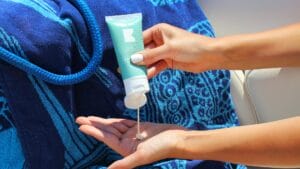
Yes, mineral sunscreen can leave a white cast. But newer formulations add micronized zinc or tinted pigments that blend into light-medium skin tones. My trick: warm the product between fingertips for 10 seconds before applying and press it in rather than rubbing like lotion.
For deeper skin tones, look for tinted mineral formulas or sheer zinc emulsions marketed for melanin-rich complexions — brands like Black Girl Sunscreen paved the way in addressing this. And if you’re photographing under flash, test a small area first.
Layering with active ingredients — what I recommend
If you use retinoids or acids, mineral sunscreen often feels less reactive when layered. I applied zinc-based SPF after my retinol nights and my skin calmed down noticeably compared with the chemical SPF I used before.
One caveat: if you use a thick mineral SPF, it can pill with heavy serums. Solution? Let serums soak in for 60 seconds before applying sunscreen, and use a thin facial oil only at night.
Travel and outdoor tips for US summers
For beach days in Miami or San Diego, pick a water-resistant SPF and reapply every two hours. For city commutes in San Francisco or Seattle — where daily sun can surprise you through clouds — a lightweight mineral sunscreen that layers with makeup feels better for sensitive skin.
Carry a travel-size tube or a mineral SPF stick for the nose and ears. Sticks are often zinc-based and handy for reapplication over makeup.
Common misconceptions I debunked during testing
- “Mineral equals greasy” — not true. Many modern mineral lotions are surprisingly matte.
- “Chemical is always better for makeup” — not always. Some mineral primers blend perfectly under tinted moisturizers.
- “All zinc is the same” — no. Particle size, coating, and formulation change the feel and finish.
When to see a dermatologist
If a patch test gives you hives or swelling, stop and see a derm. If persistent redness follows every sunscreen, that’s a signal to get tested for contact dermatitis. For practical derm-backed mistakes to avoid (I cross-referenced these with testing notes), check our article about Skincare Mistakes That Age You Faster: Derm Advice for 2026 which includes sunscreen layering errors many people make.
My final testing notes: mineral sunscreen winners for sensitive skin
After 90 days of semi-obsessive testing, mineral sunscreen came out as the most consistently tolerated category for reactive skin in my trials. Not flawless — but safer on average for people who sting, burn, or flush easily.
If you want sheer wear, test a few tinted zinc options. If you need reef-safe choices for Hawaii or Florida beach trips, many mineral formulas check that box by default.
External sources I used in research
For regulatory and safety context I referred to the FDA sunscreen resources and the American Academy of Dermatology guidance on sun protection; both are reliable starting points if you want to read the source documents directly.
Practical checklist before you buy
- Check for “zinc oxide” or “titanium dioxide” early in the ingredient list if you want mineral sunscreen.
- Avoid added fragrance and high percentages of denatured alcohol.
- For sensitive eyes, avoid sprays near face — prefer lotion or stick.
- Patch-test on jawline for three days before committing.
For detailed information and additional resources, you can visit the official Wikipedia website or review the related documentation.
Frequently Asked Questions
Is mineral sunscreen better for rosacea?
Yes, many people with rosacea tolerate mineral sunscreen better because zinc oxide and titanium dioxide are less likely to penetrate or irritate inflamed skin. Patch-test first and pick fragrance-free formulas.
Will mineral sunscreen leave a white cast on my skin?
It can, especially with older or un-tinted formulas. Warm the product between fingertips, press into skin, or choose a tinted mineral formula to minimize white cast.
Can I use chemical sunscreen if I have sensitive skin?
Some people with sensitive skin do fine with certain chemical sunscreens. Look for products labeled for sensitive skin, avoid oxybenzone, and patch-test before full-face use.
How often should I reapply mineral sunscreen at the beach?
Reapply every two hours, and immediately after swimming or heavy sweating. Choose a water-resistant formula when you expect to be in water.
Are mineral sunscreens safe for children?
Yes. Pediatricians often recommend mineral sunscreen for children because the actives sit on the skin and have a lower risk of irritation. Look for child-specific formulations that are reef-safe and fragrance-free.
My honest takeaway — pick what your skin tolerates
If your skin flares easily, prioritize mineral sunscreen. It’s the gentlest starting point and often the safest bet after procedures or during flare-ups. I ended up keeping two SPFs in my travel pouch: a tinted zinc mineral for daily city wear and a broad-spectrum water-resistant mineral for beach weekends.
Beaute Cosmetic tested these options across US cities and I recommend starting small: patch-test, observe for 72 hours, and buy a travel size before committing to a full tube. Protecting skin is non-negotiable — the right mineral sunscreen can make that protection feel like a kindness, not a chore.
In summary, to achieve success in the field of mineral sunscreen 2026, it is necessary to follow current developments and shape strategies accordingly. You can share your experiences or questions about mineral sunscreen 2026 in the comments section.
Frequently Asked Questions
What is mineral sunscreen 2026?
mineral sunscreen 2026 is a topic of high search volume and strategic importance in the digital space.
Why is mineral sunscreen 2026 Important?
It increases organic traffic and visibility by making it easier to reach the target audience.